



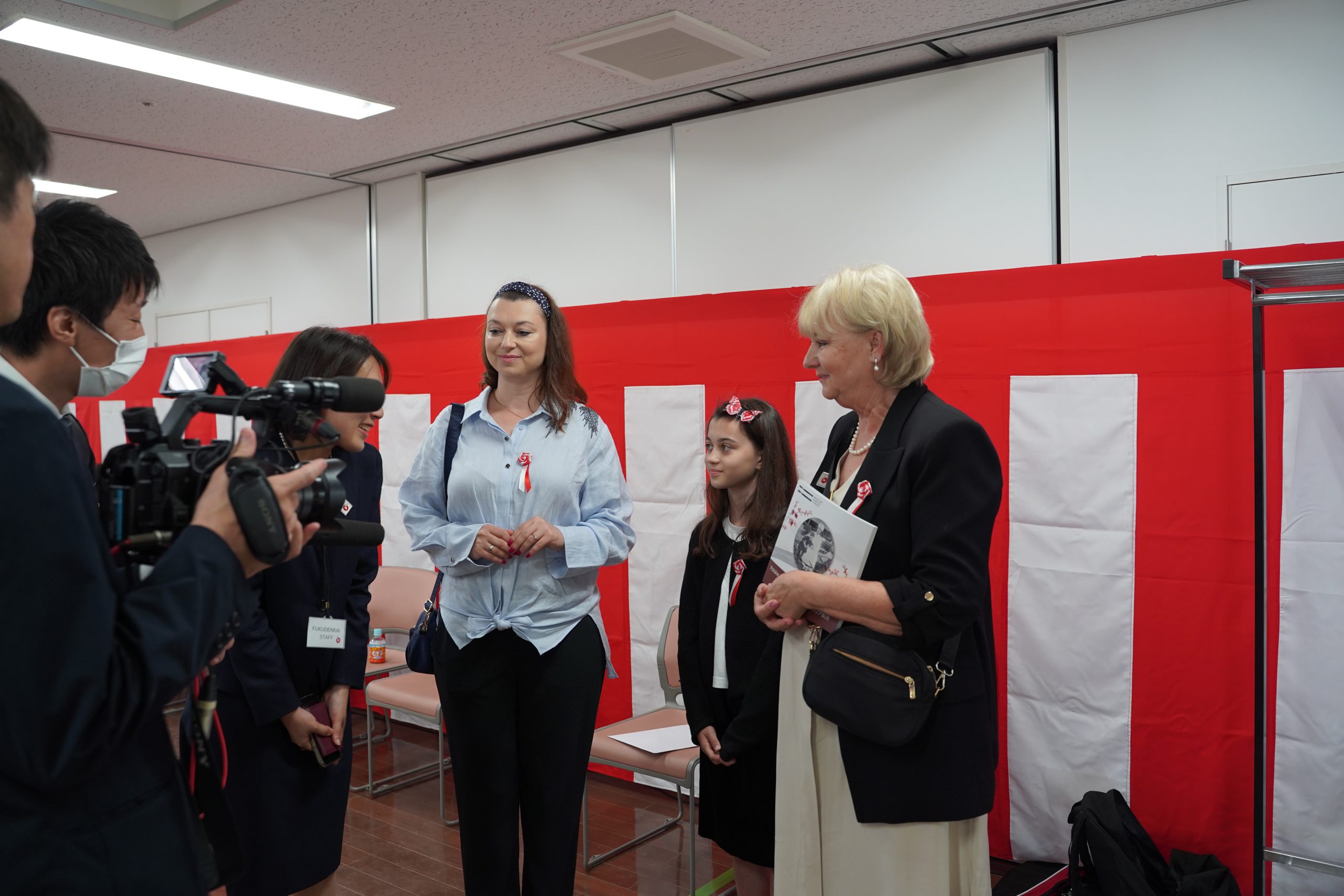
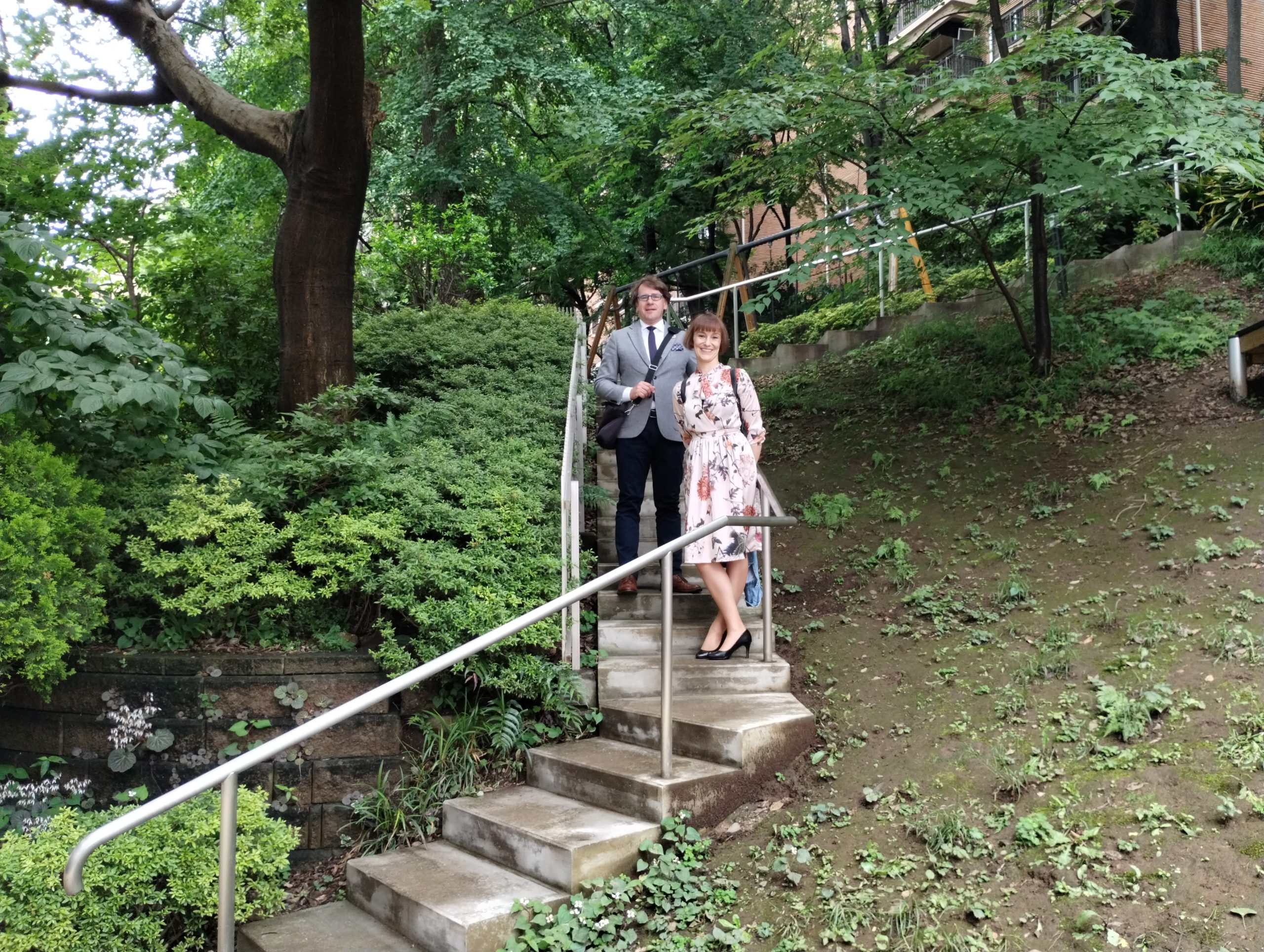
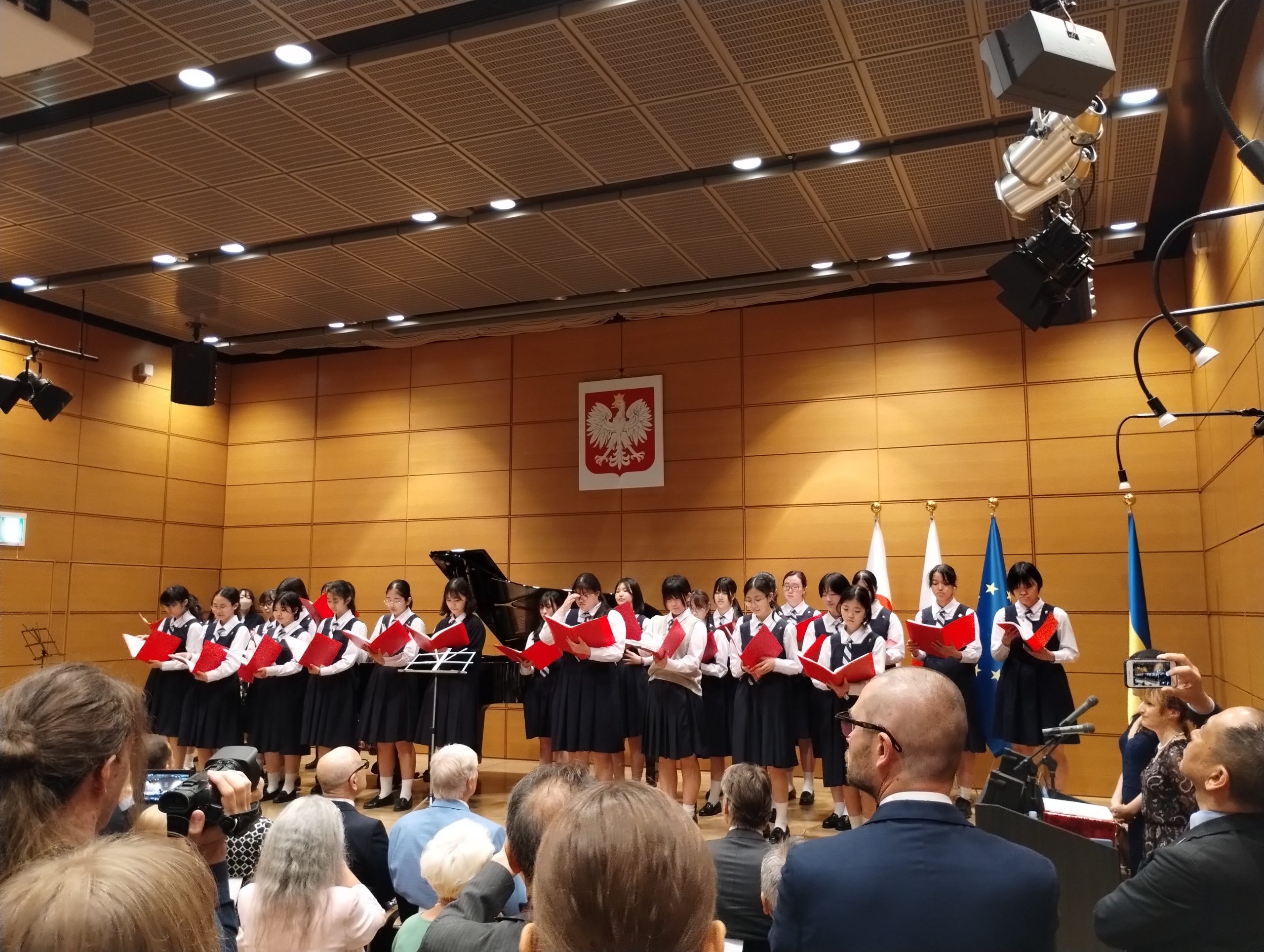
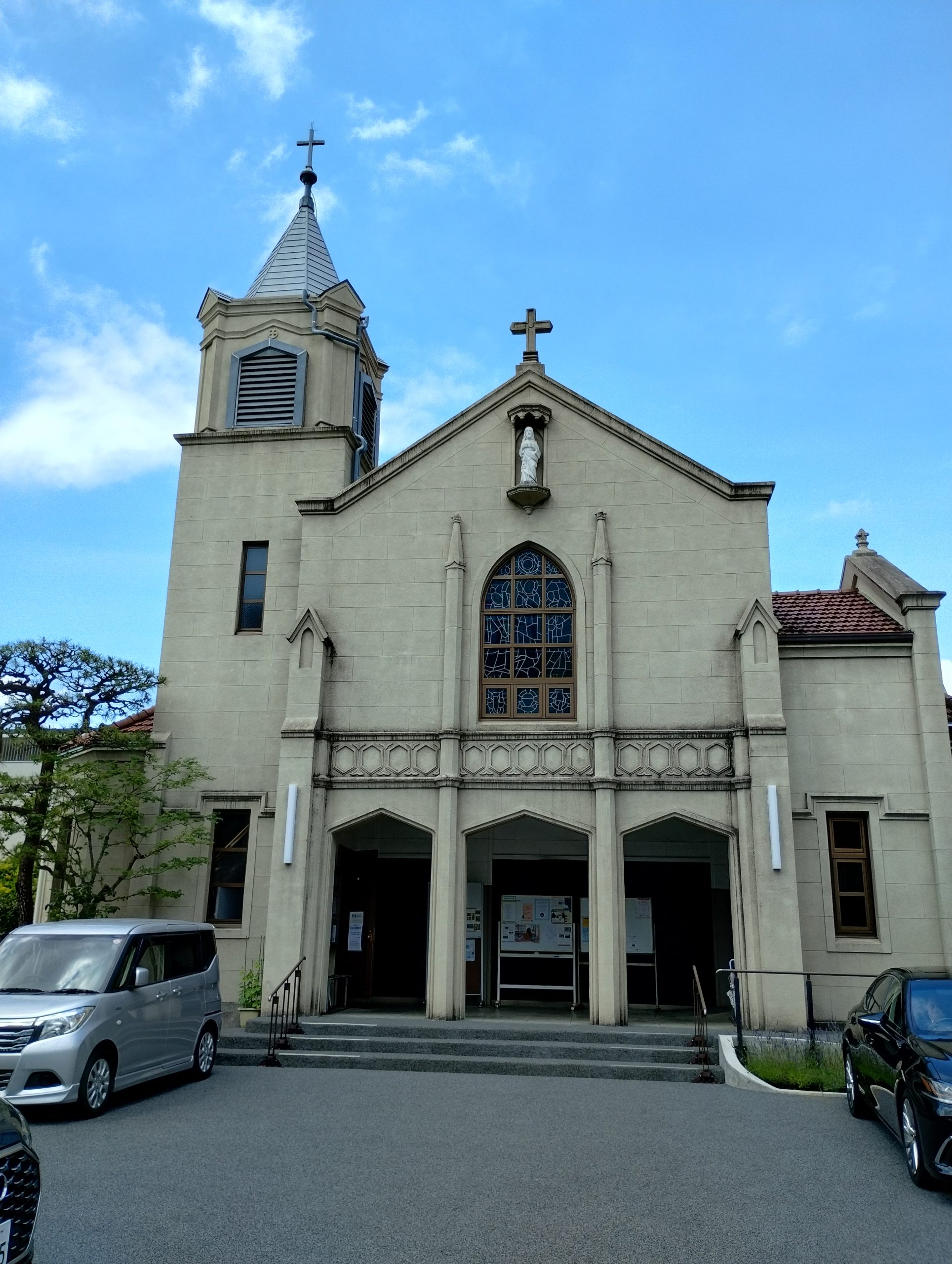
On the invitation of the Social Welfare Corporation Fukudenkai in Tokyo, which took Polish children in the 1920s under its wing, we attended an official meeting with the descendants of the young refugees at the Roppongi Hills Club. We listened to their stories with great interest. We also participated in the Holy Mass celebrated in honor of the “Siberian children” at the Catholic Azabu Church.
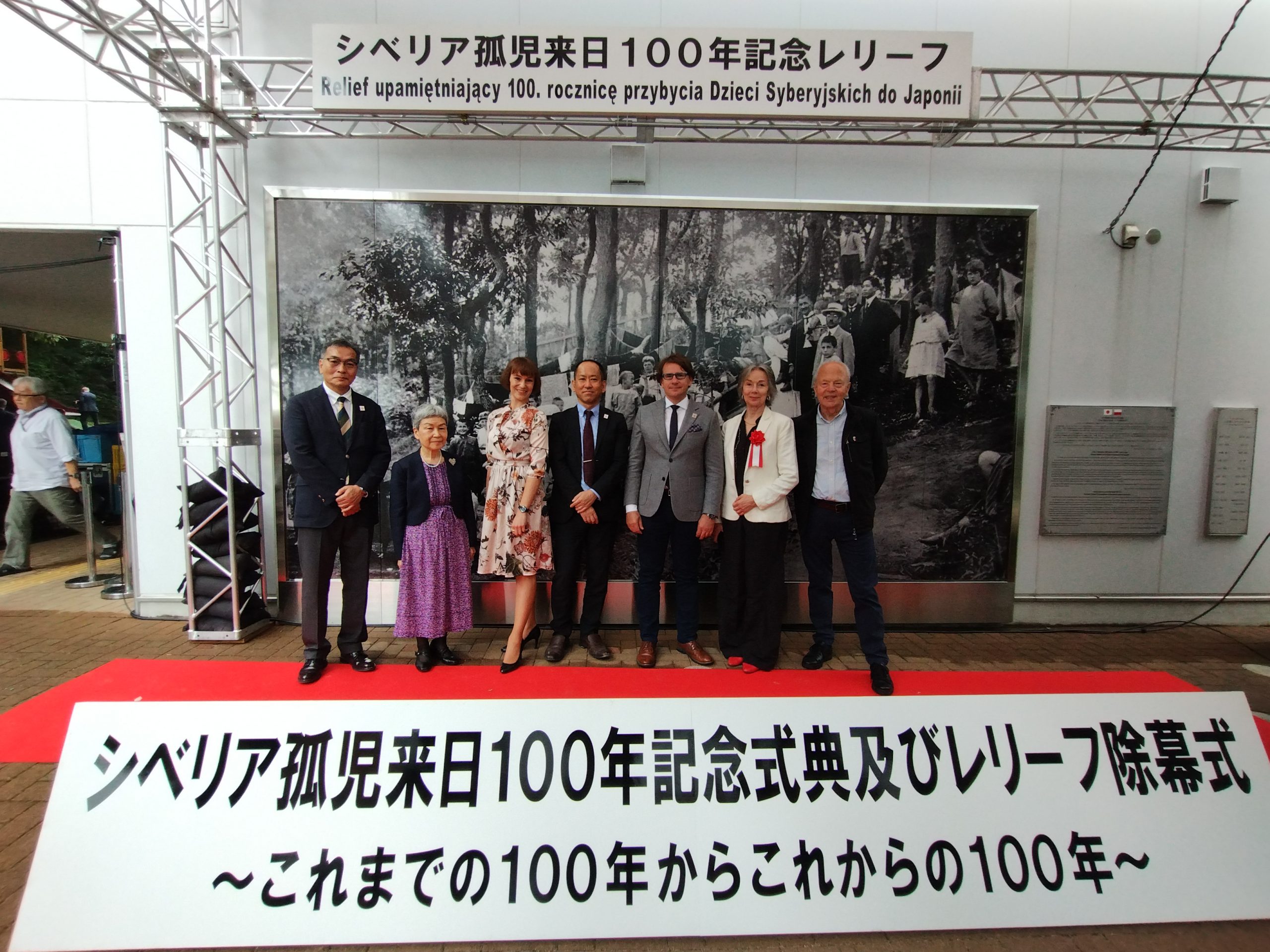
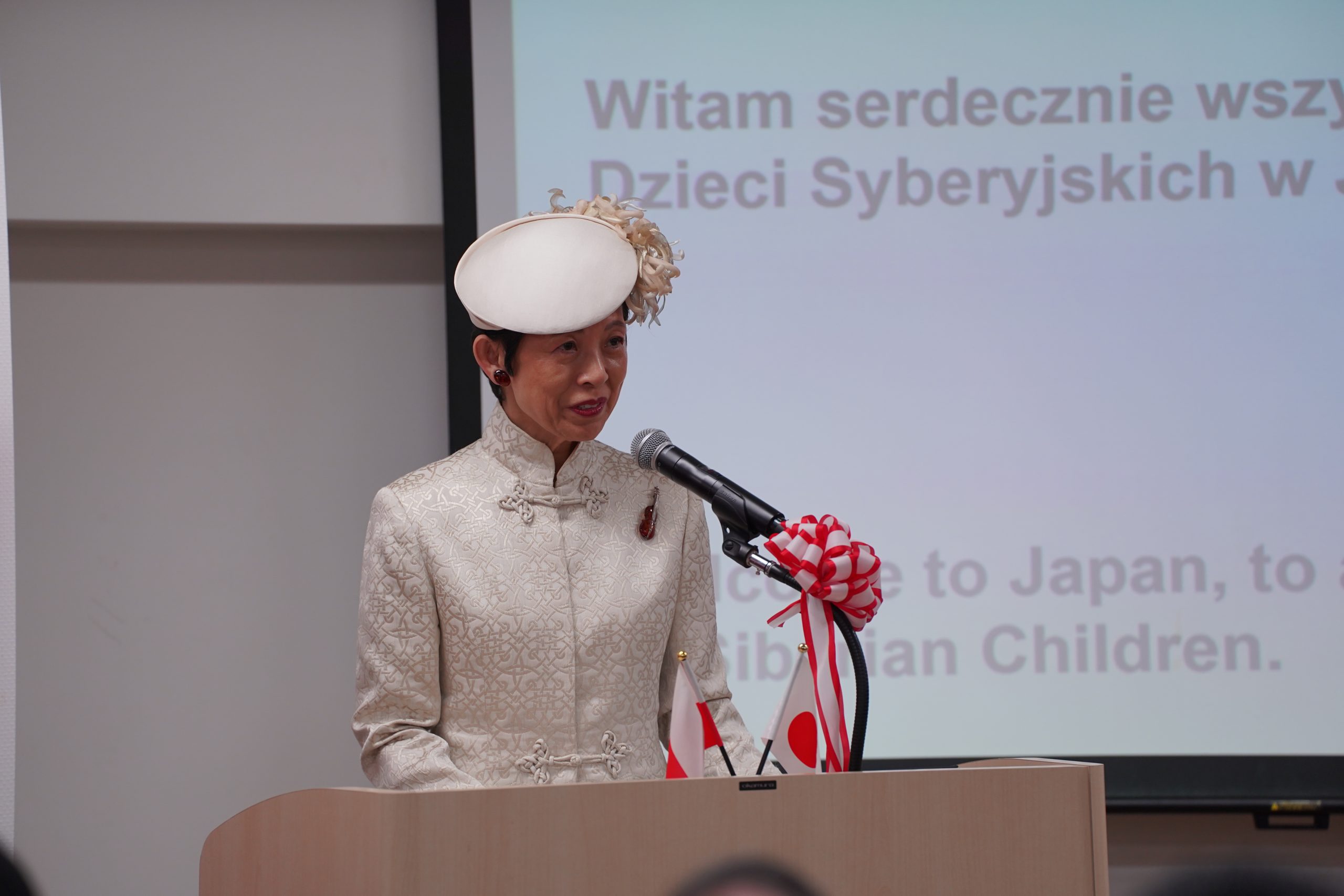
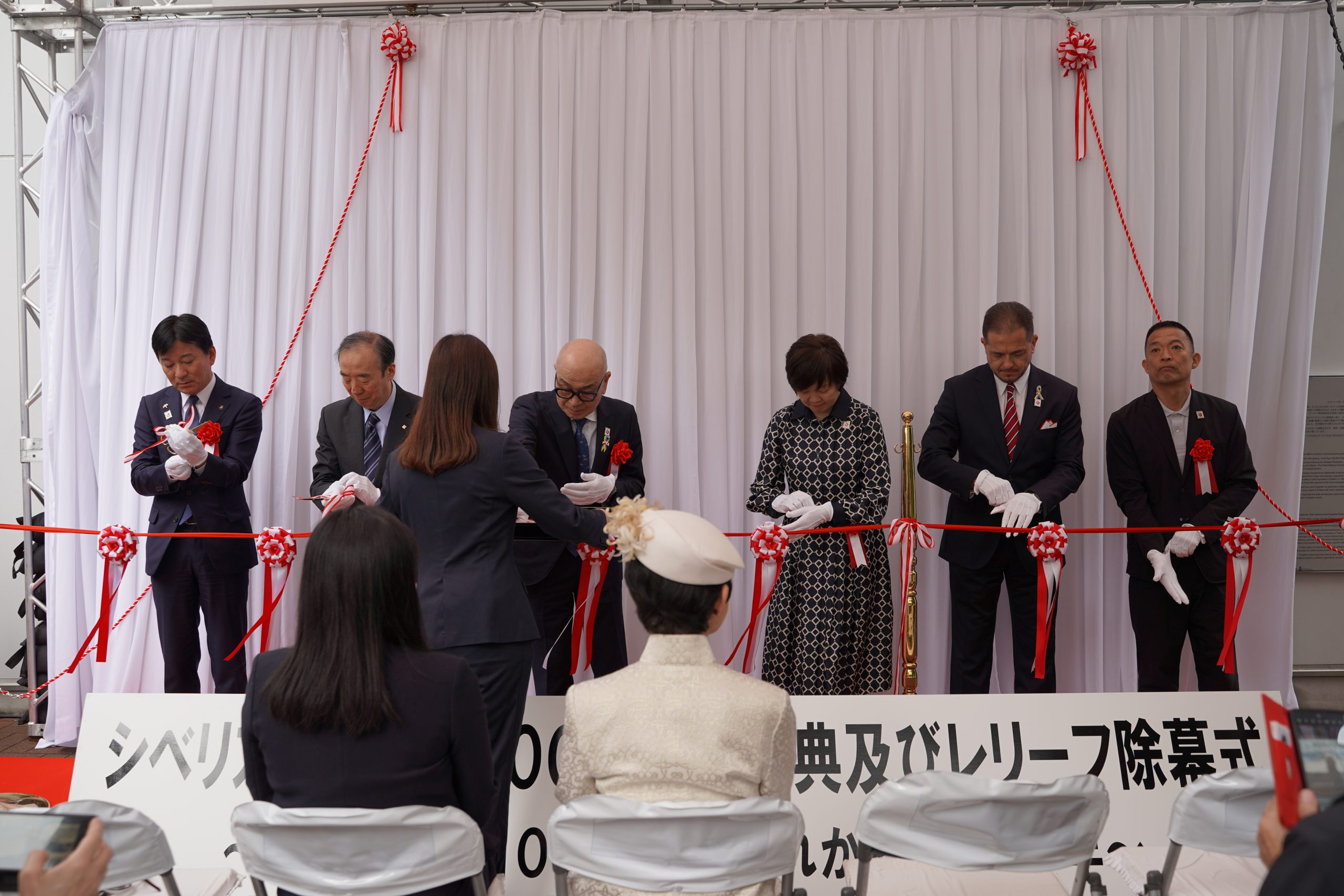
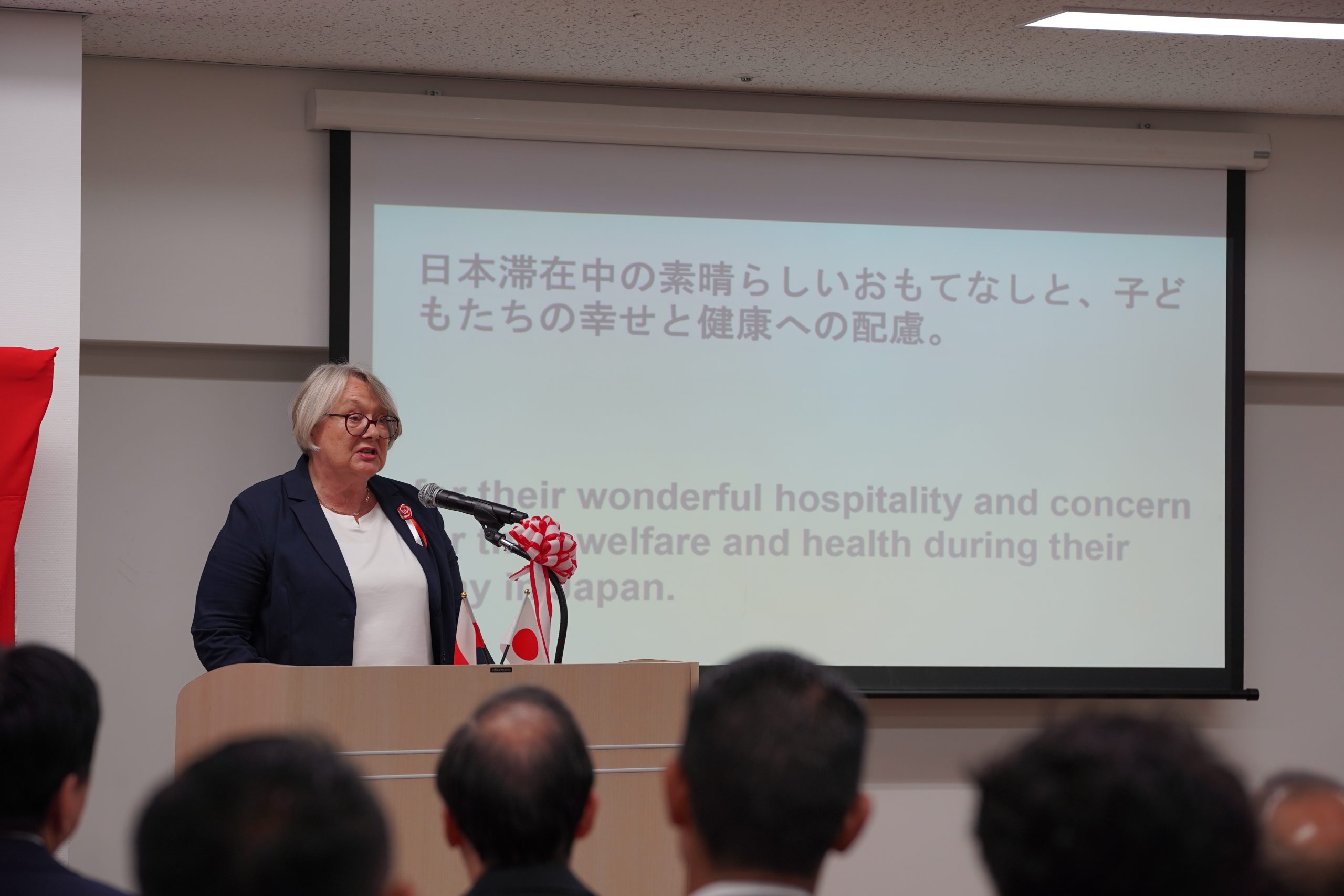
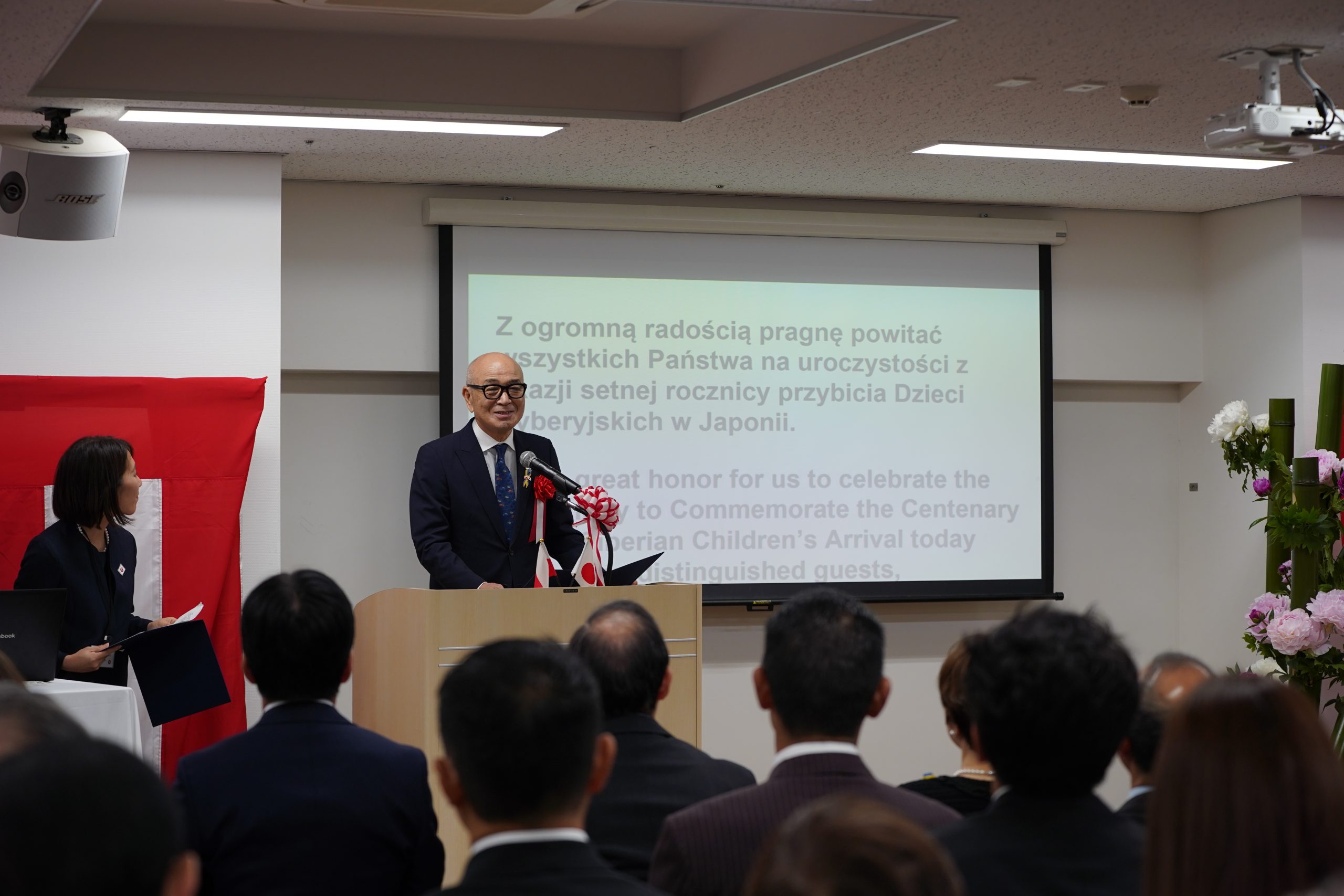
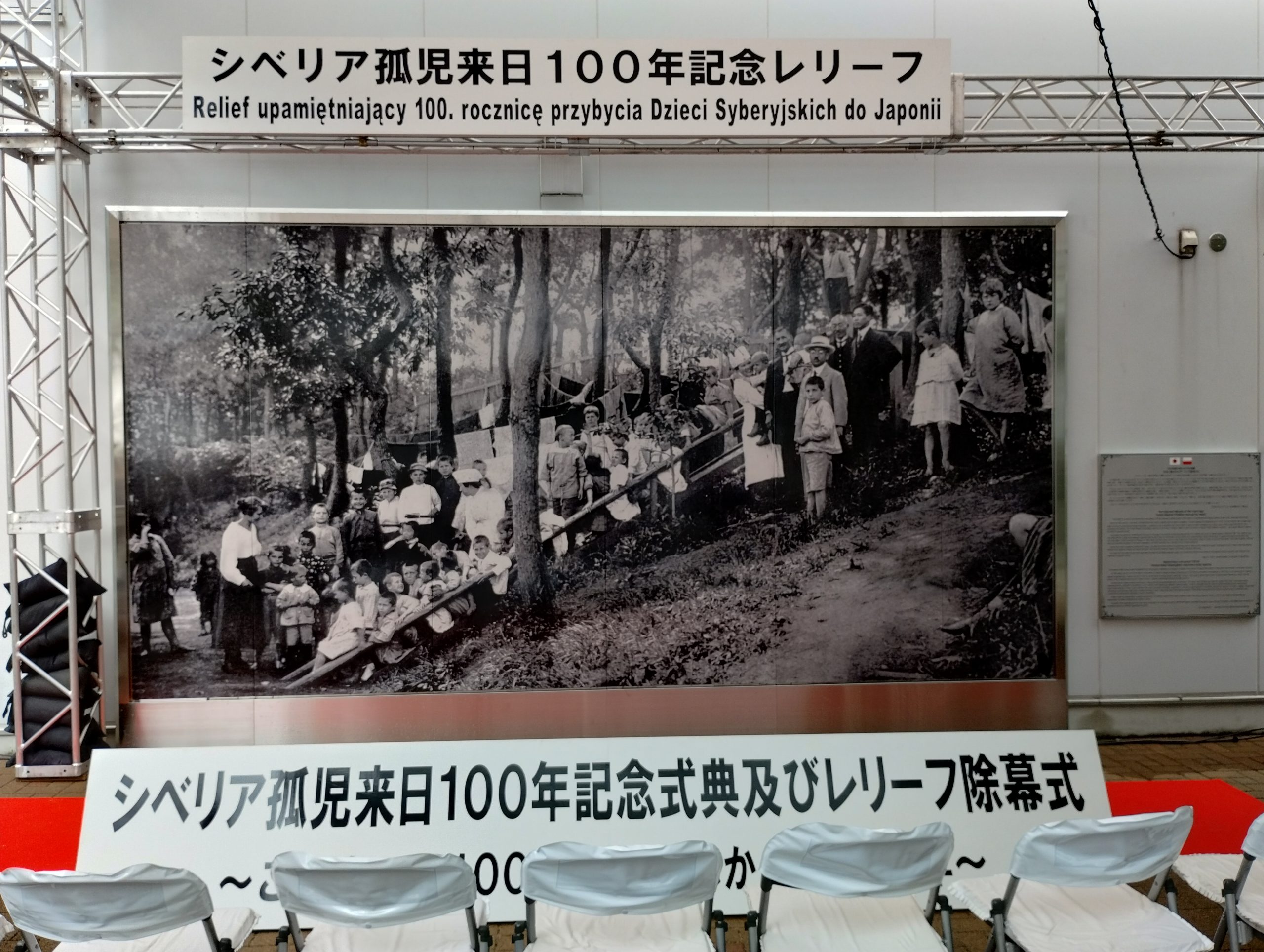
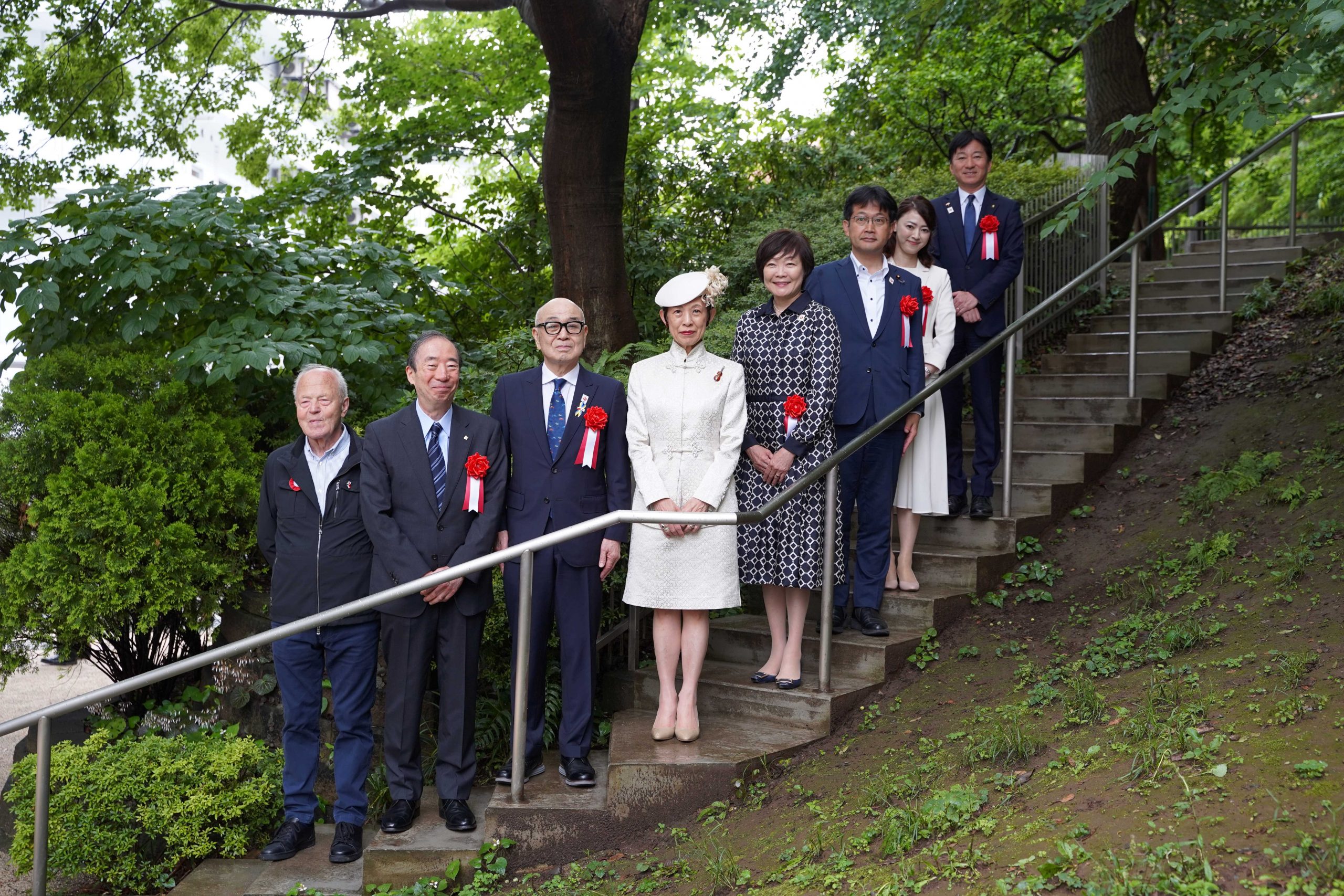
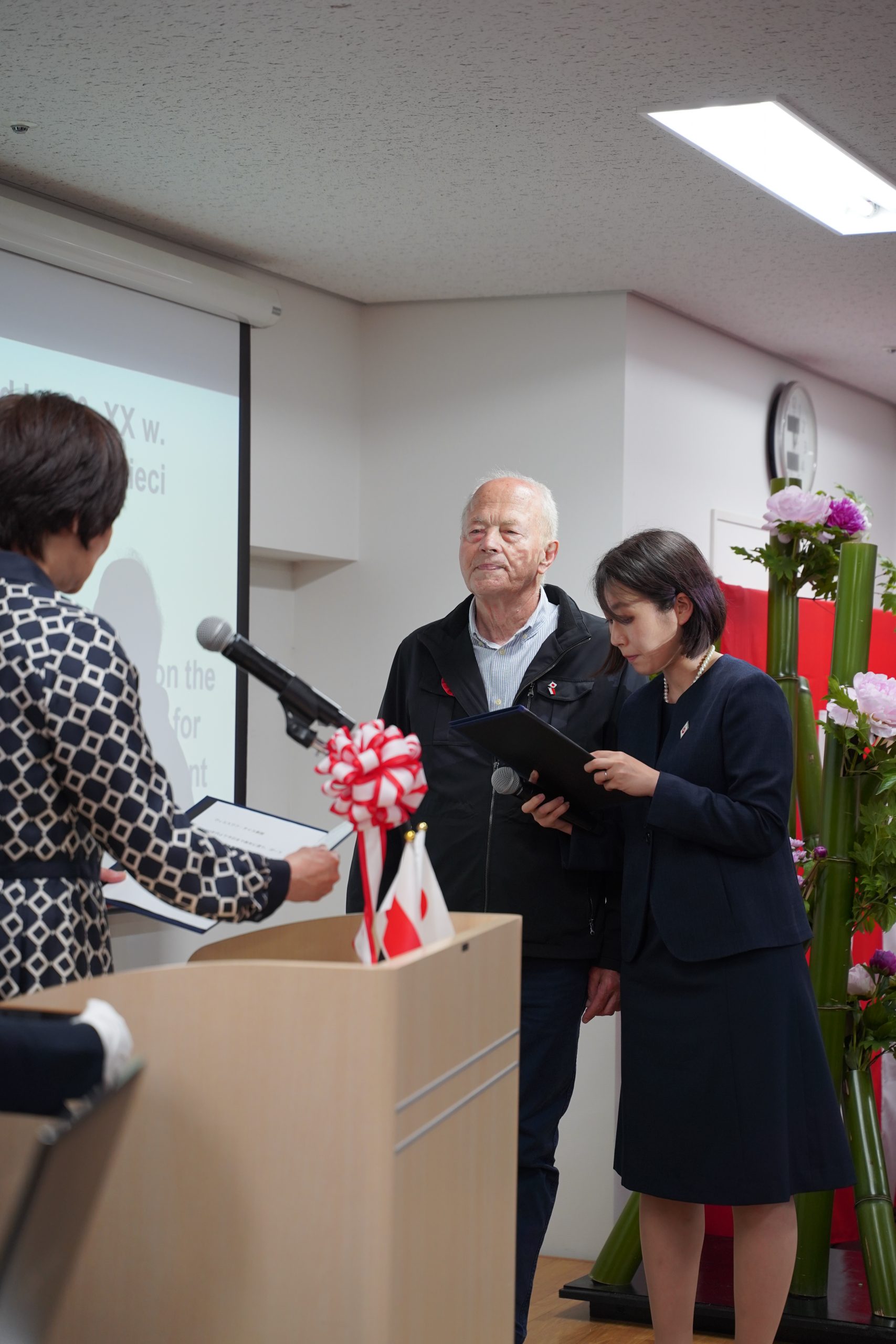
The most important ceremony, attended by Her Imperial Highness Princess Takamado, took place at the Social Welfare Corporation Fukudenkai. After the official speeches, a ceremonial unveiling of a ceramic plaque took place, depicting one of the most widely known images of Polish refugees: a photograph of children standing on the steps of the Japanese Red Cross center, taken in 1921. Among the attendees were: the late Prime Minister Shinzo’s widow, Honorary Chairwoman of the Committee for the Social Welfare Corporation Fukudenkai, Akie Abe, the Ambassador and Representative of the President of Poland for the Three Seas Initiative, Beata Daszyńska-Muzyczka, the Polish Ambassador to Tokyo, Paweł Milewski, the Director of the Polish Institute in Tokyo, Urszula Osmycka, the President of Fukudenkai Social Welfare Organization, Takaaki Ota, the Polish Ambassador to Japan in the years 2008-2012, Jadwiga Rodowicz-Czechowska, the President of the Japanese Red Cross, Atsushi Seike, an expert in the history of the “Siberian children,” Professor Wiesław Theiss, as well as representatives of Polish schools: Elżbieta Osuch, Principal of the Elementary School in Stara Wieś named after the Siberian Children, and Krzysztof Radkowski, Principal of the Special Educational Center in Leszno named after Jerzy Strzałkowski. Anna Domaradzka spoke on behalf of the descendants of “Siberian children.”
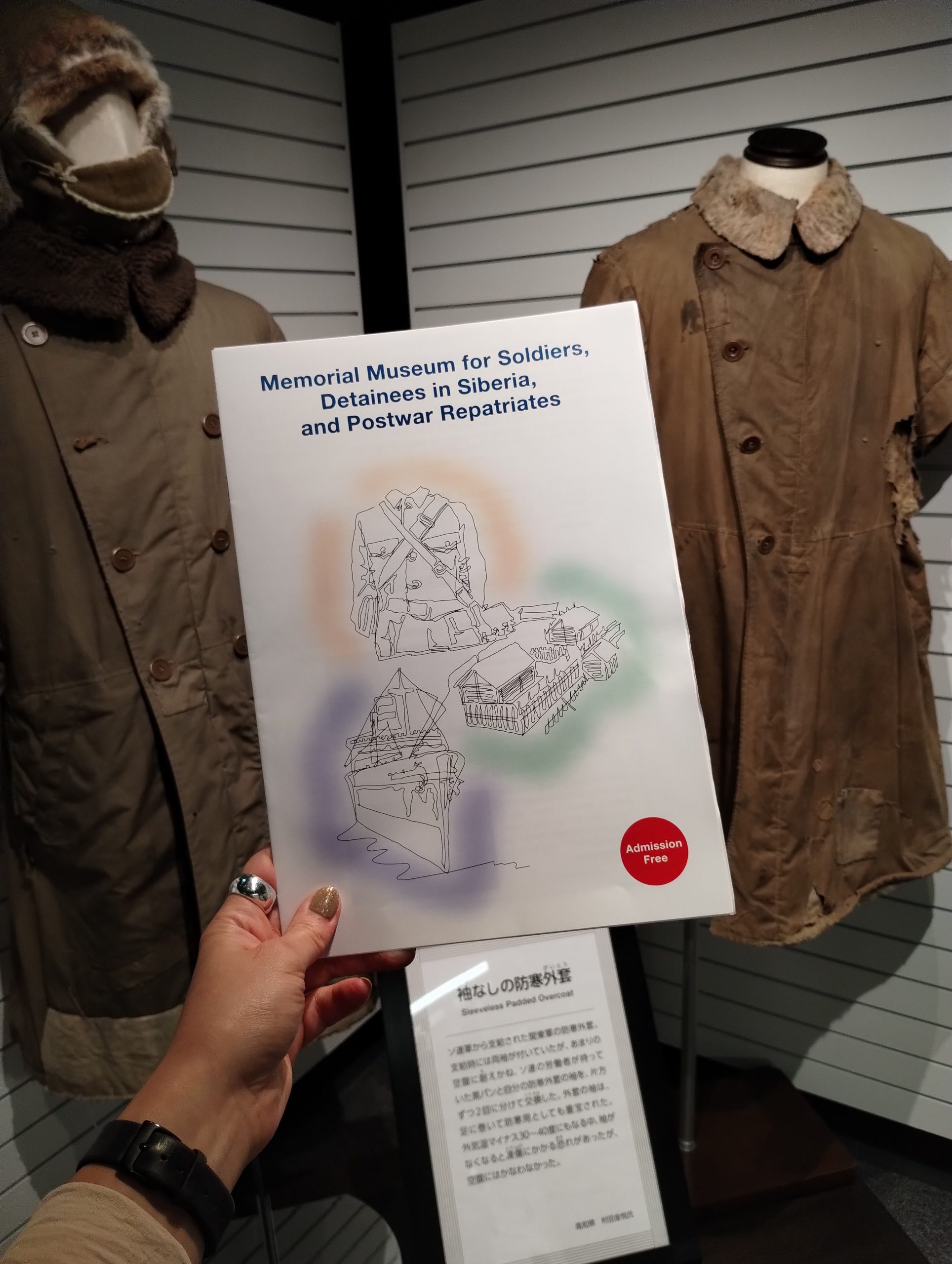
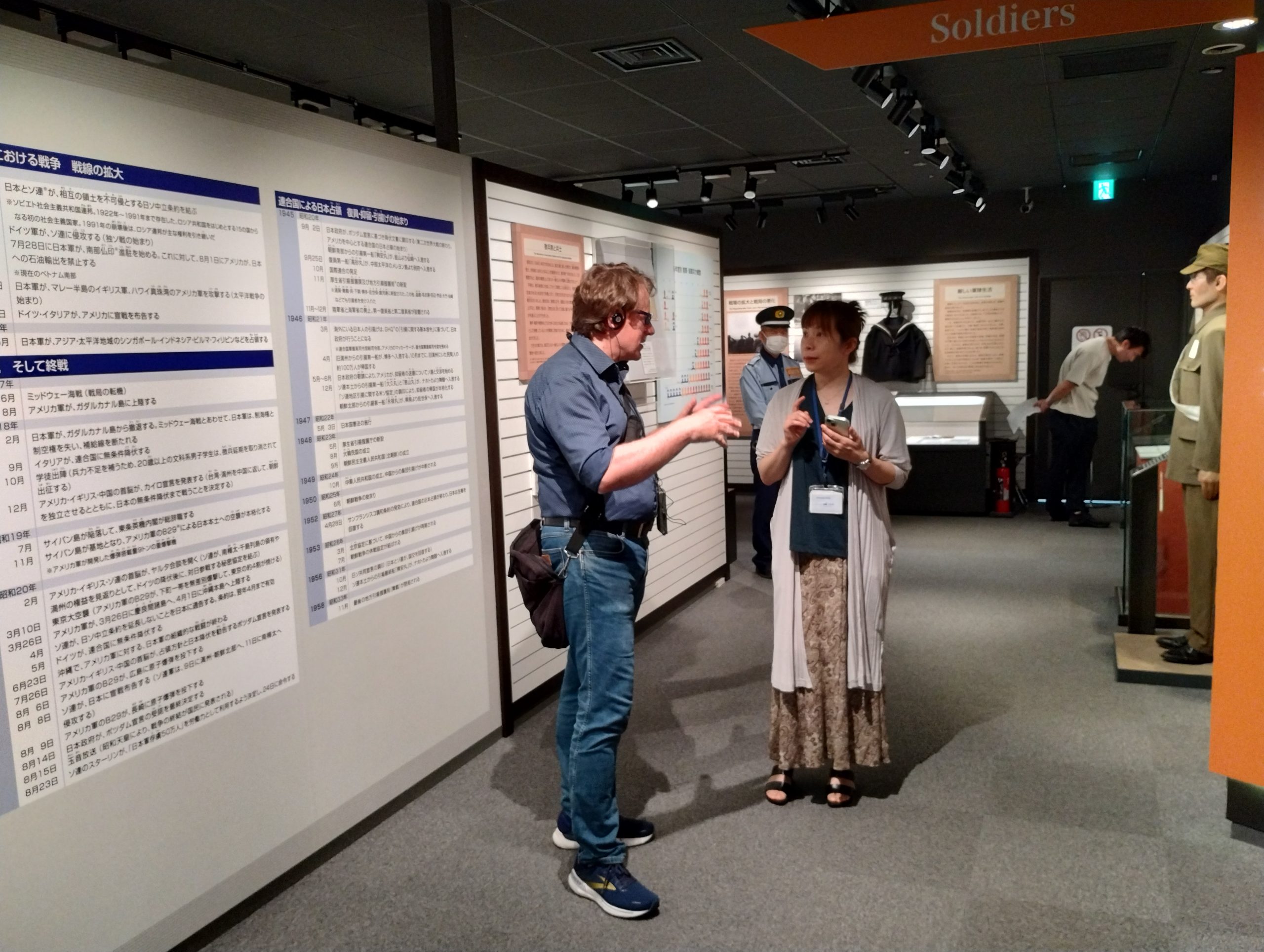
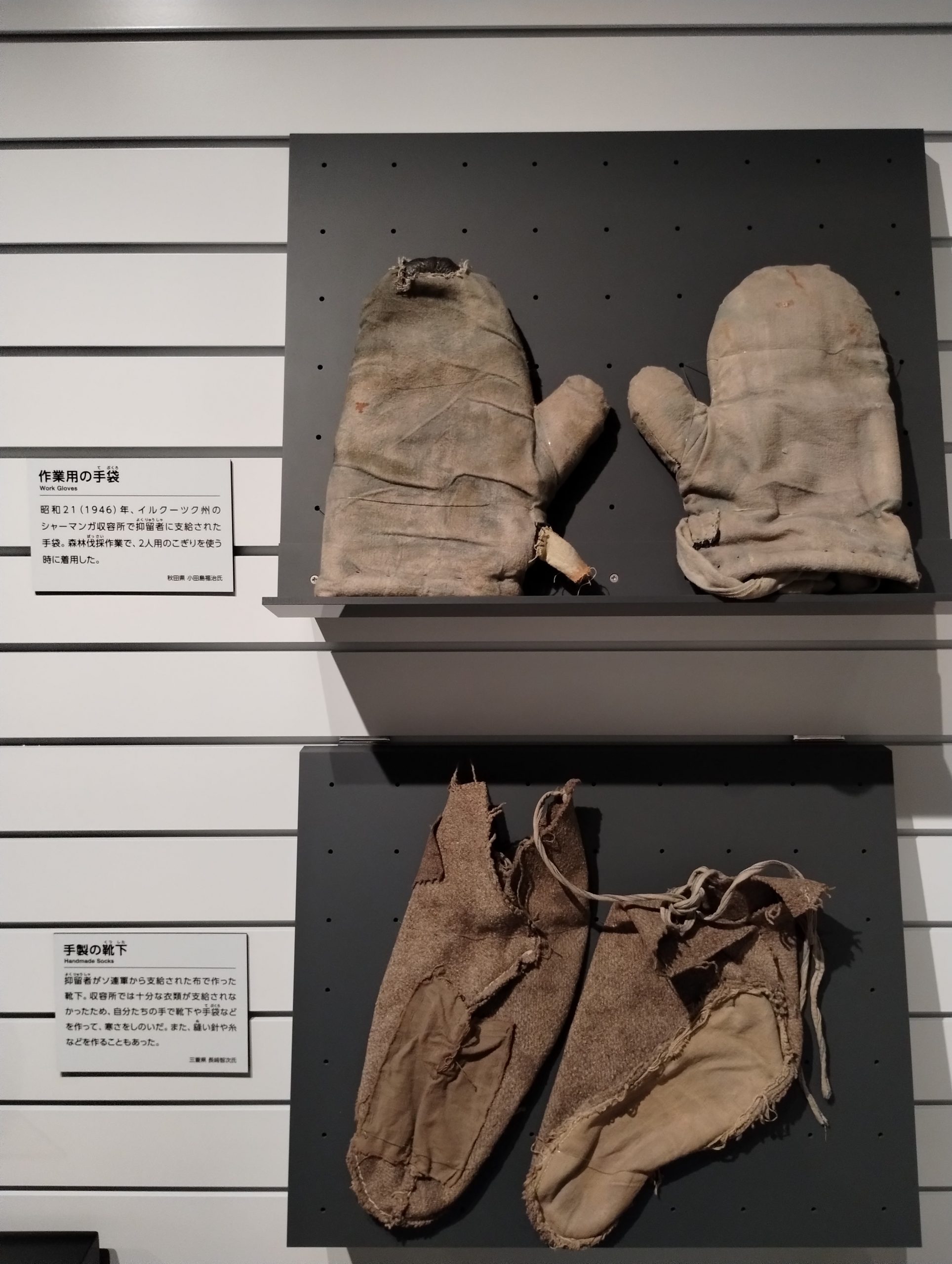
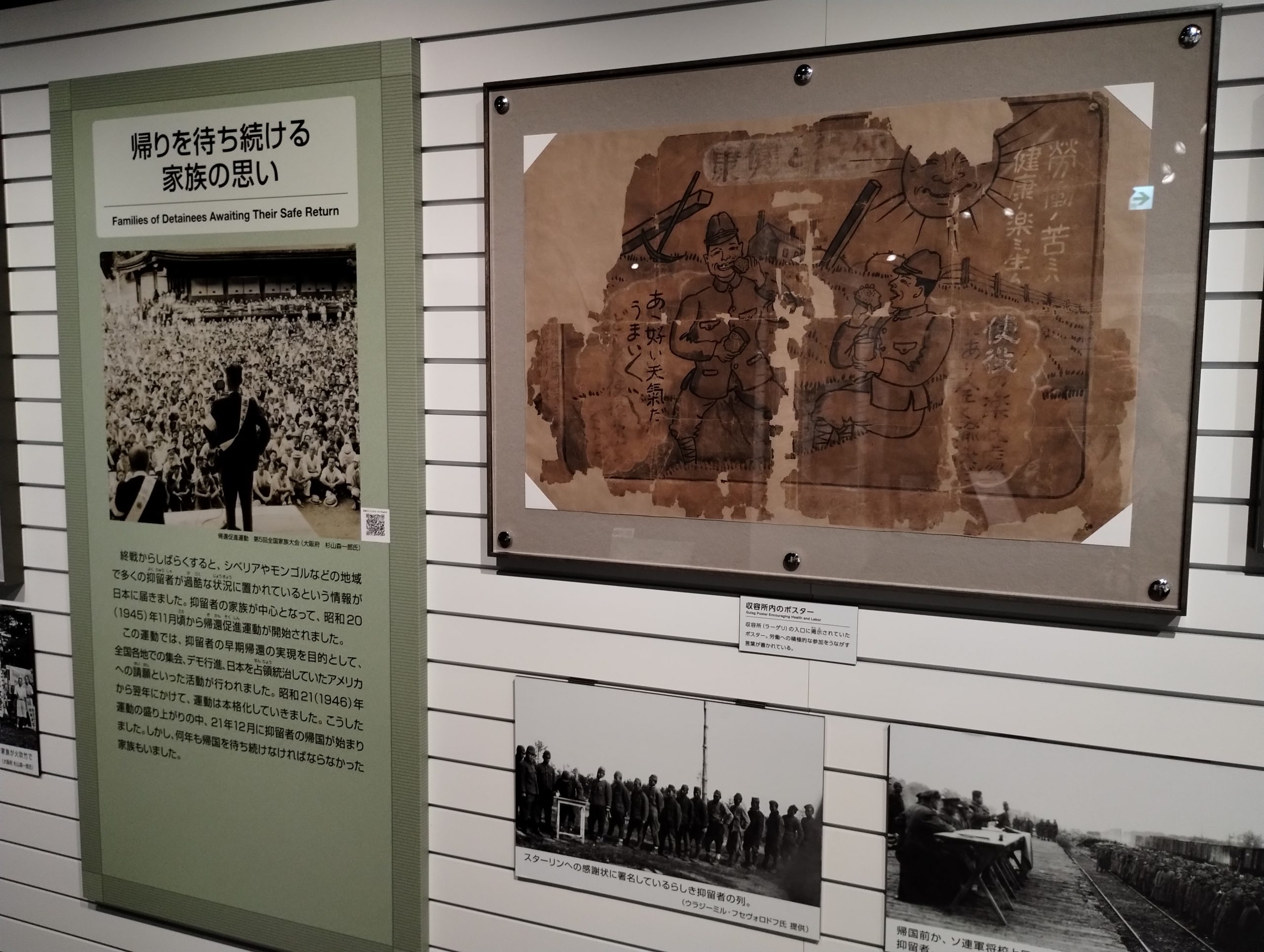
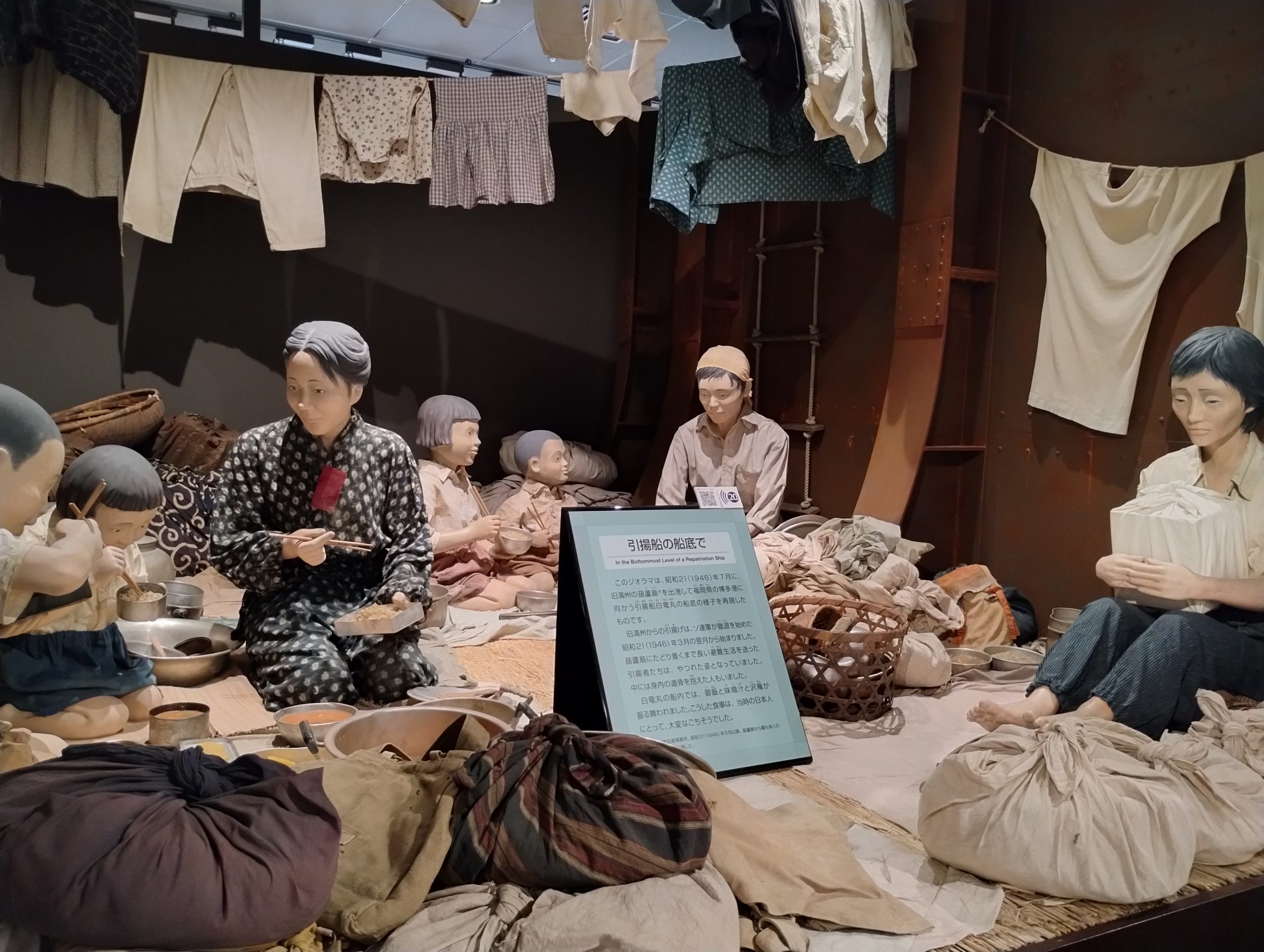
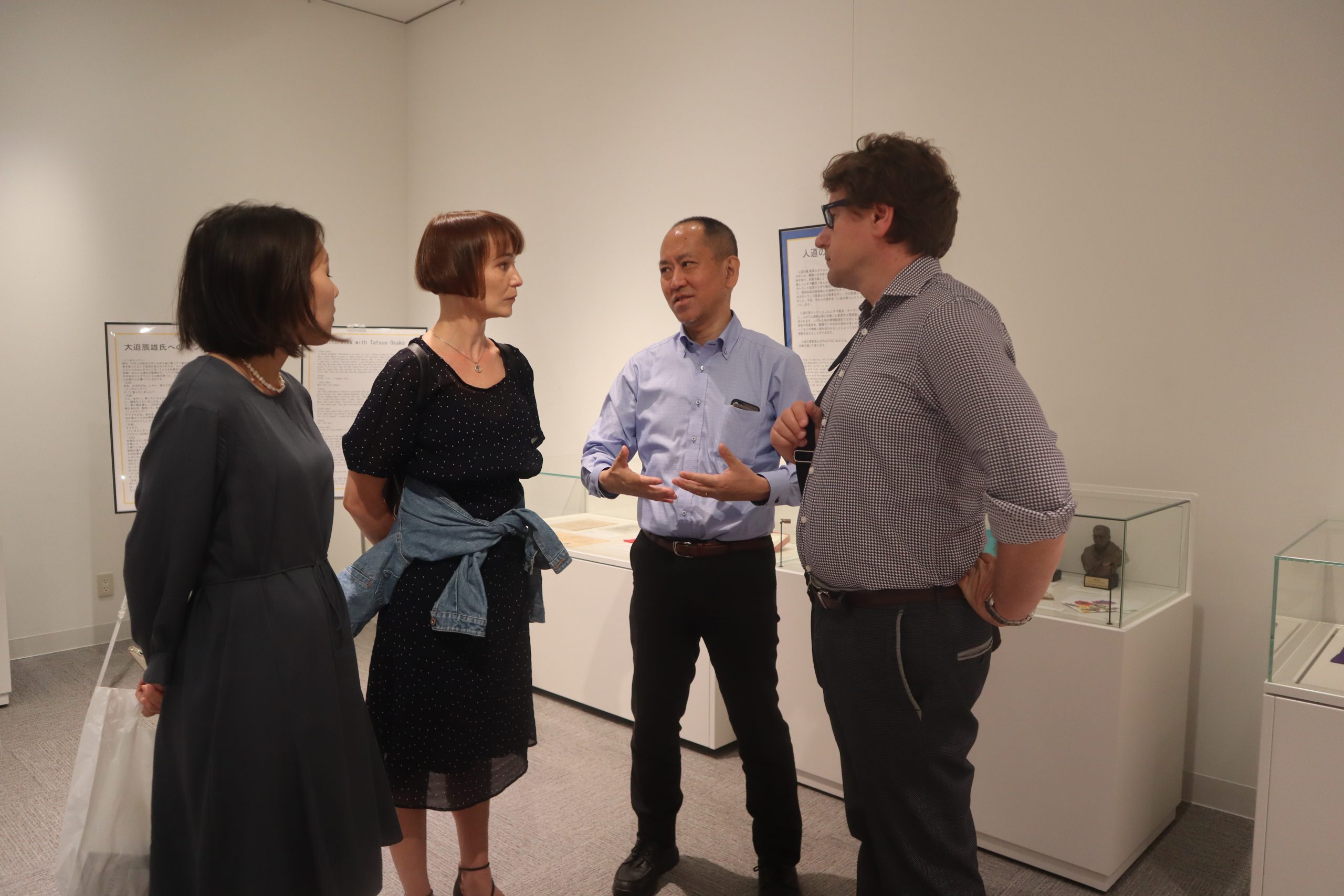
The stay in Tokyo was complemented by a study visit to the Memorial Museum for Soldiers, Detainees in Siberia, and Postwar Repatriates. The museum, with its three exhibition halls, presents the history of Japanese soldiers, prisoners held in Siberia, and post-war repatriates. We visited the exhibition with English audio guides, and the staff regaled us with fascinating historical anecdotes. Thanks to the precisely written texts and well-described exhibits, we gained insight into the Japanese perspective on the matter of “Siberia”. Although the reasons for the Japanese presence were quite different from those of the Poles (Japan participated in World War II on the side of Germany), and the deportation to Siberia and imprisonment of war prisoners in the camps had different political backgrounds, the experience of civilians affected by this compulsion often resembled descriptions known from Polish historiography. In the display cases of the Tokyo museum, we saw deerstalkers, padded work jackets, and Soviet certificates almost the same as those presented at the Sybir Memorial Museum.
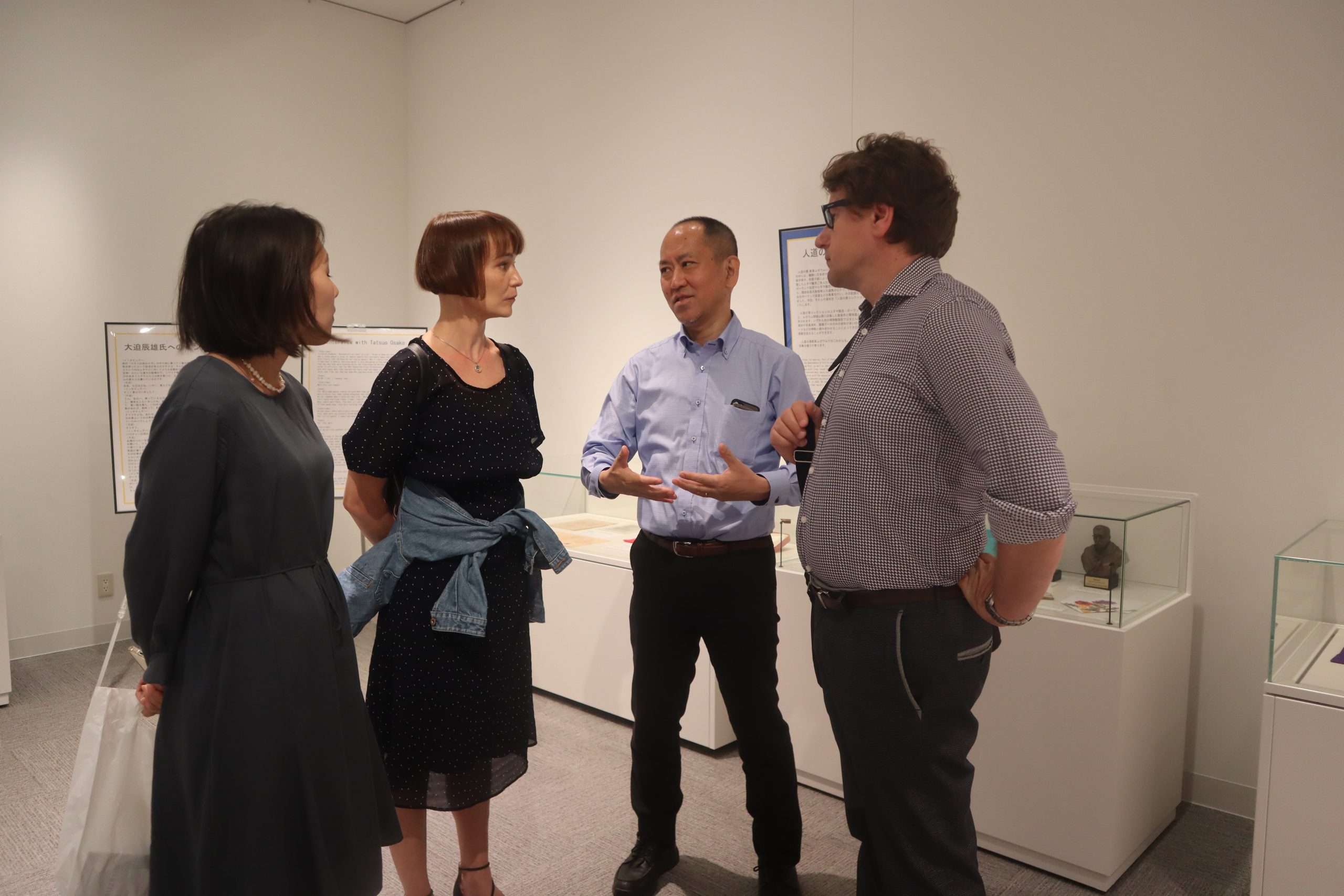
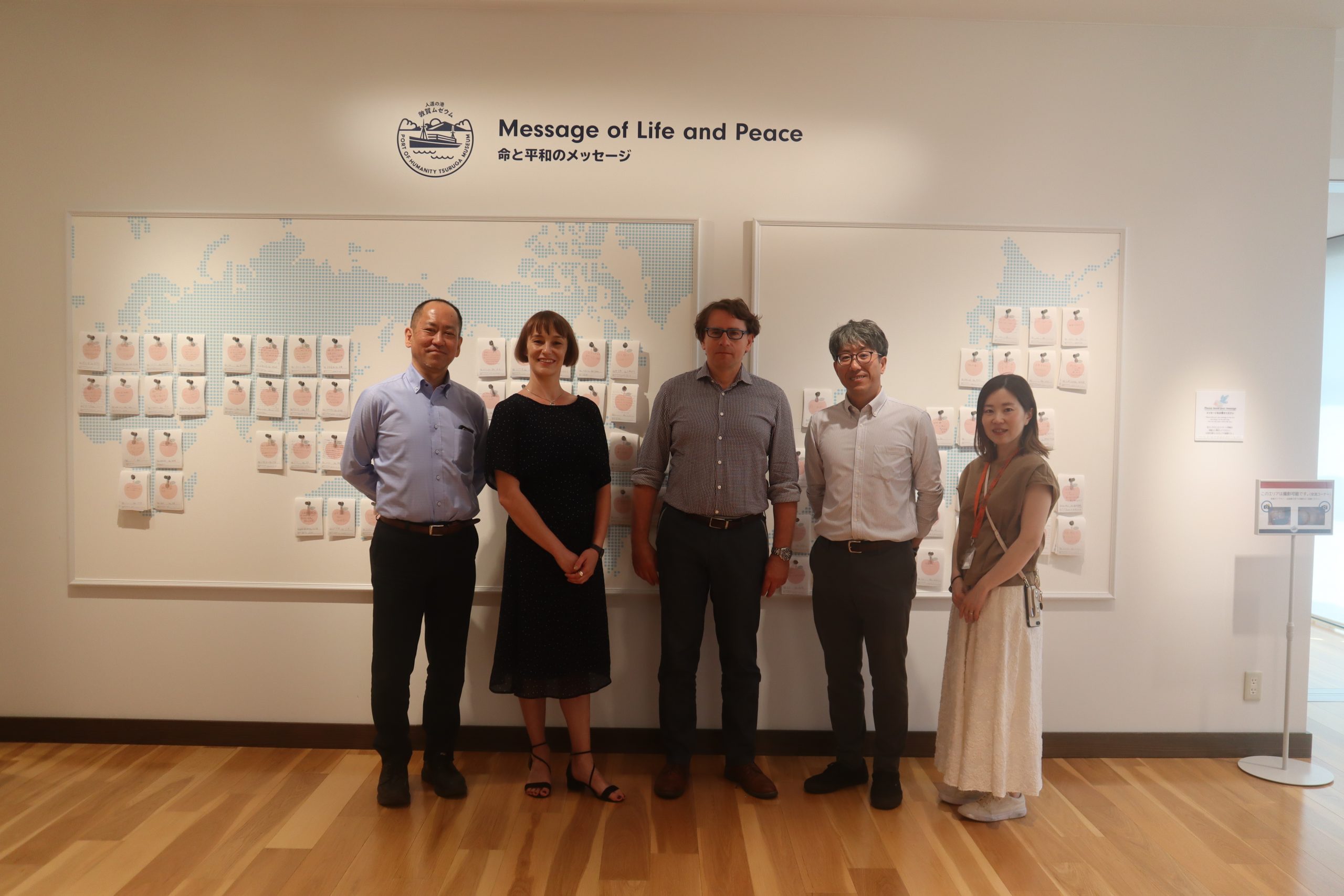
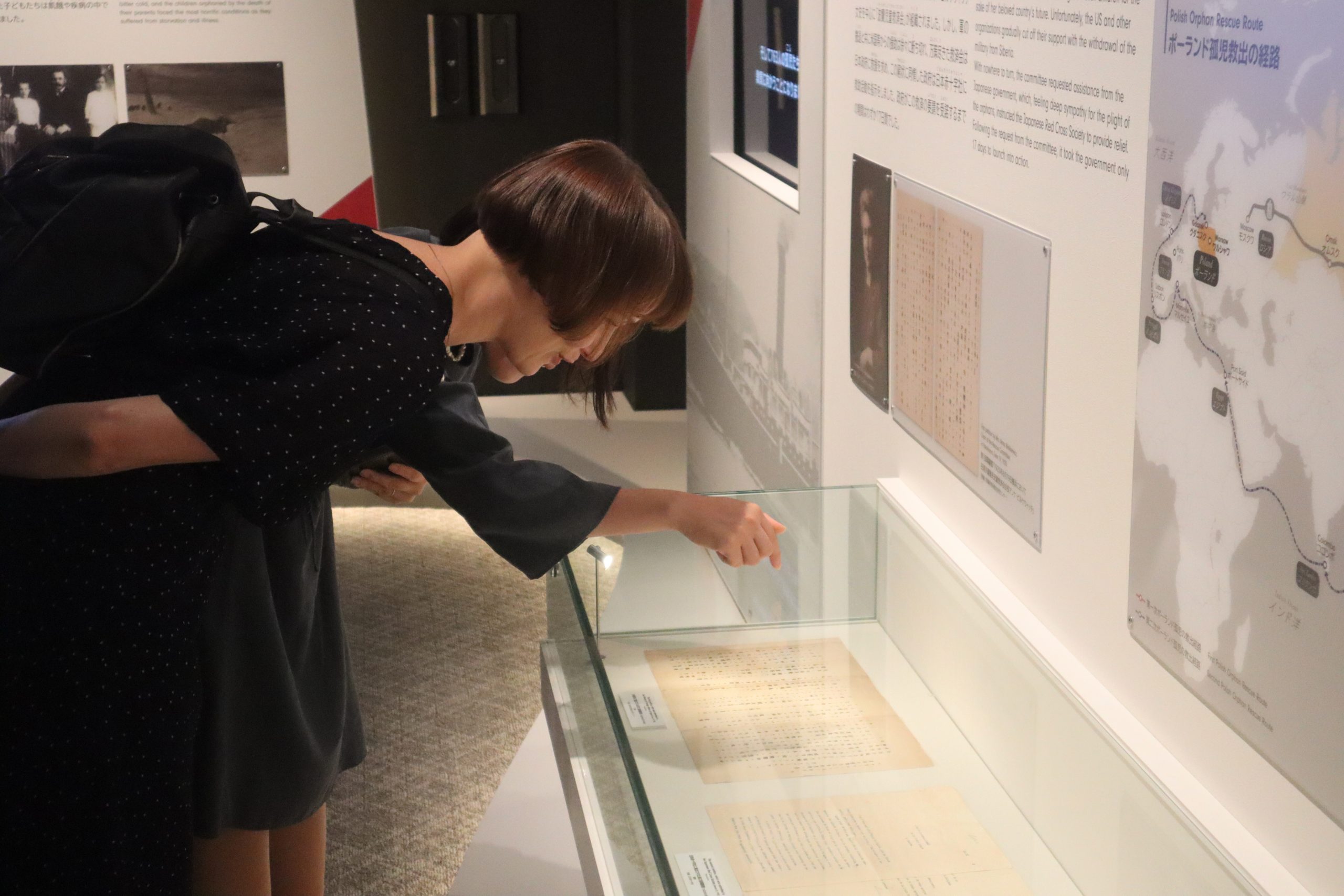
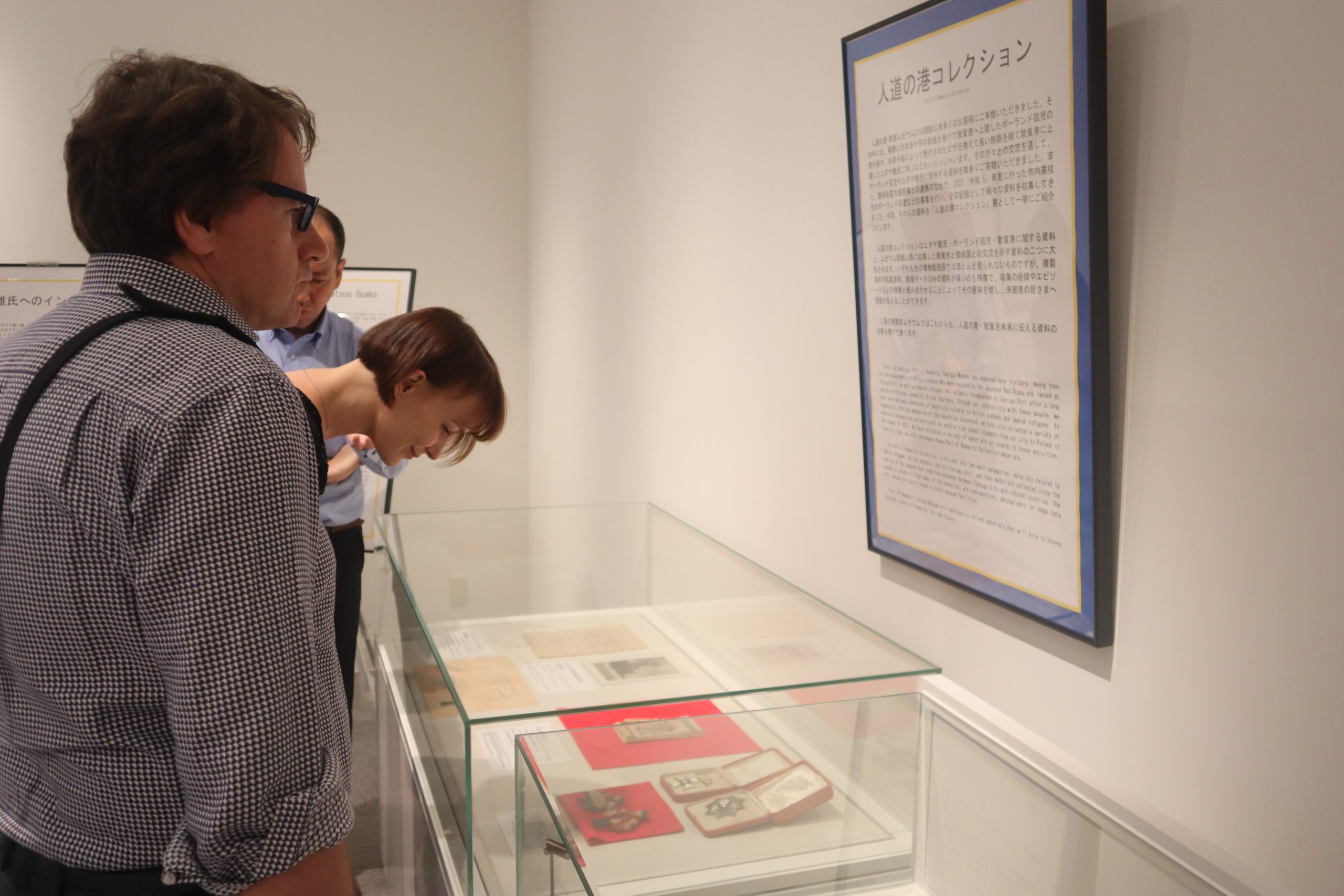
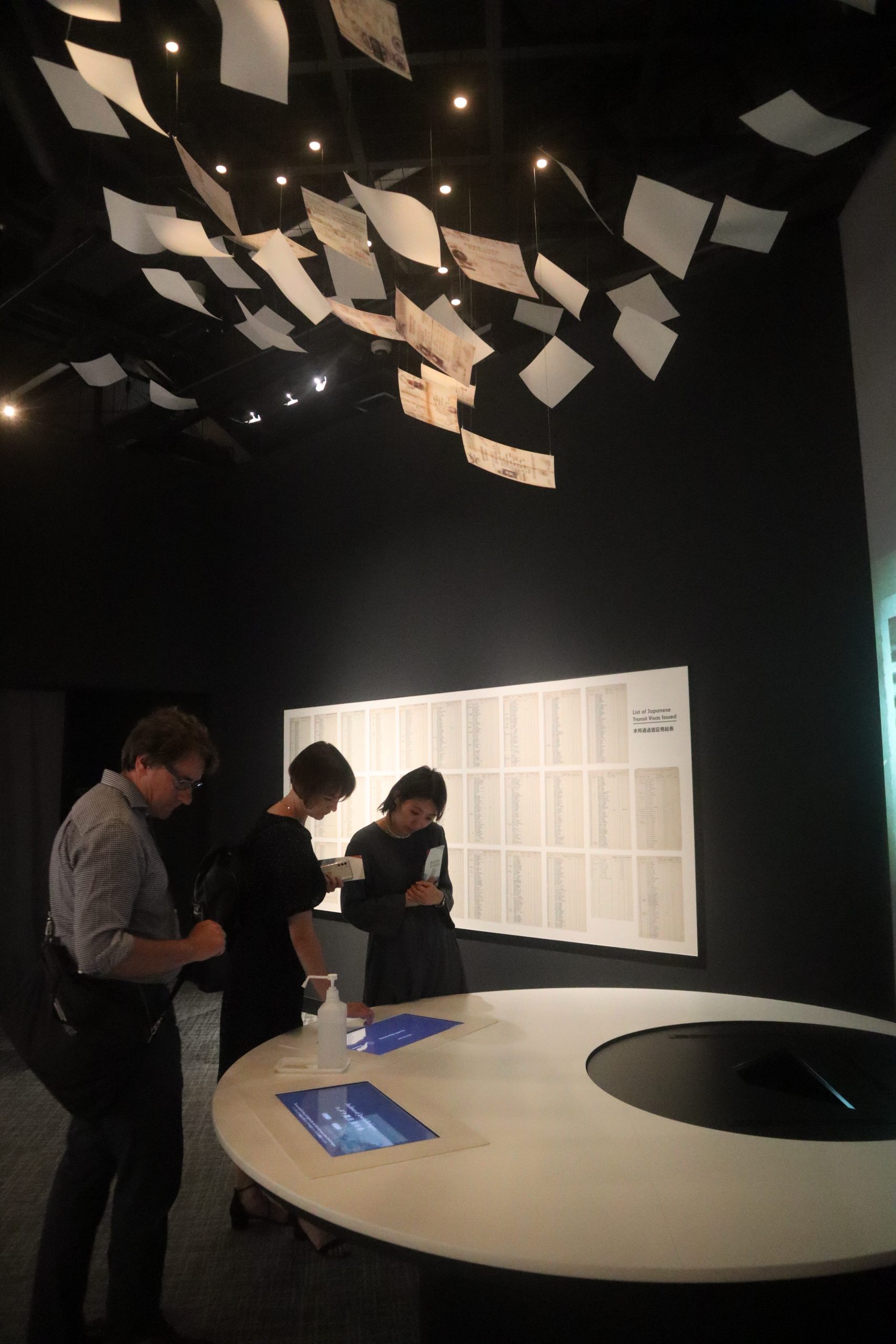
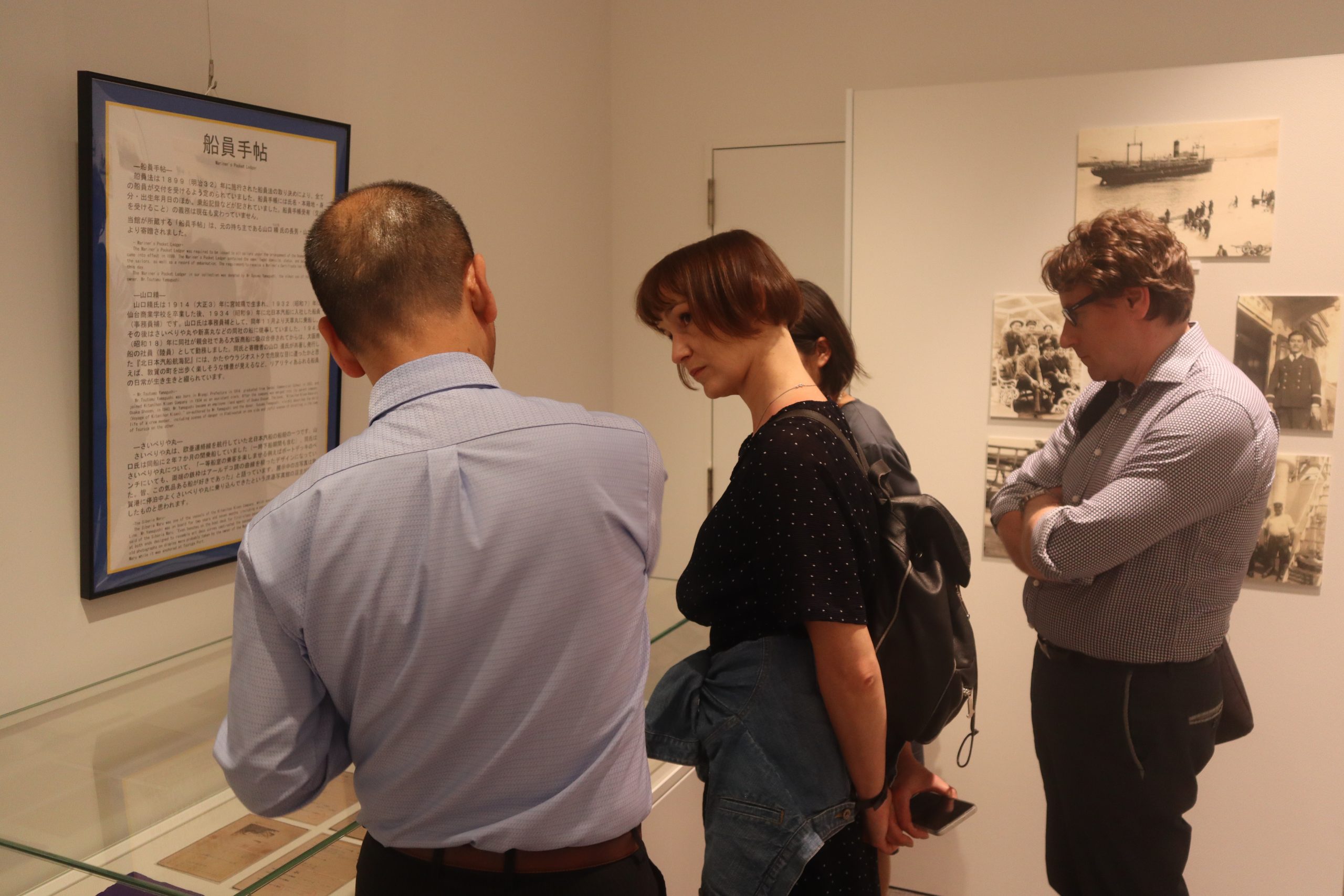
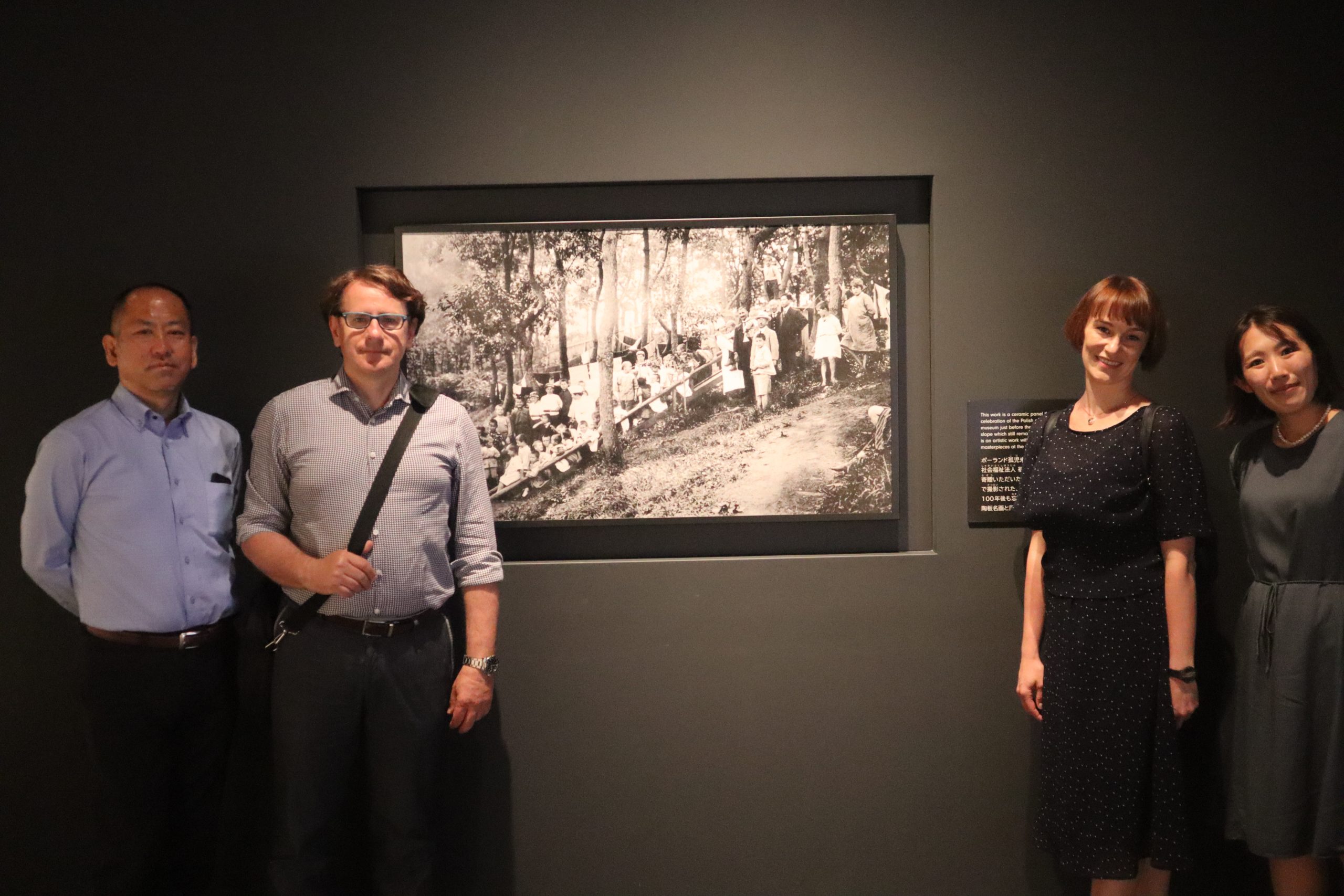
The MPS delegation also visited museums whose themes are linked with the issues presented in Białystok. In Tsuruga, at the invitation of Akinori Nishikawa, we paid a study visit to the Humanitarian Port Museum that he runs. Tsuruga is a place that played an important role in the history of “Polish Siberia.” This port was not only a place from which ships departed for Europe. It was here that 375 Polish children first set foot on Japanese soil after being evacuated from revolution-torn Siberia during the 1920s. Later, in the 1940s, Jewish refugees from Nazi-occupied territories arrived here with so-called life visas. The exhibition at the modern museum is prepared on the highest artistic and substantive level. Thanks to the meeting with the staff and the hospitality of Director Nishikawa, we were able to learn about the unique historical commentary and artifacts belonging to the Polish children. It was a very interesting meeting, which will soon result in many joint initiatives, thanks to which the Japanese will be able to familiarize themselves with the history of the “Polish Siberia”.
Osaka is another city that opened its doors to Polish children in 1922. Young Poles, mainly refugees from Harbin, sailed from the Vladivostok port and arrived in Osaka. 379 people were accommodated in a repatriation centre. Nurses from the city hospital wrapped them in their protection, and private funds for their maintenance were provided by the Empress of Japan herself. Józef Jakóbkiewicz (one of the co-founders of the Rescue Committee for Polish Children of the Far East) wrote about the acceptance of Poles by the residents of Osaka. In his memoirs, he noted that crowds of Japanese people awaited the Polish children at the port and on the streets of Osaka, handing them small gifts, and the involvement of the authorities was exceptionally heartfelt.
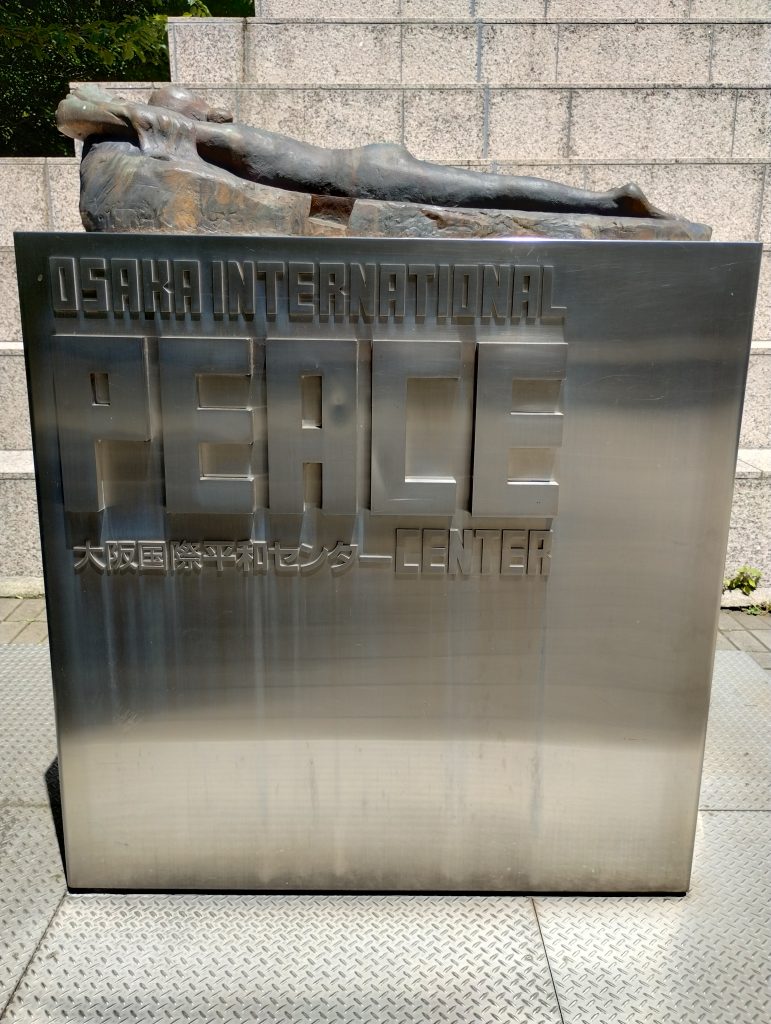
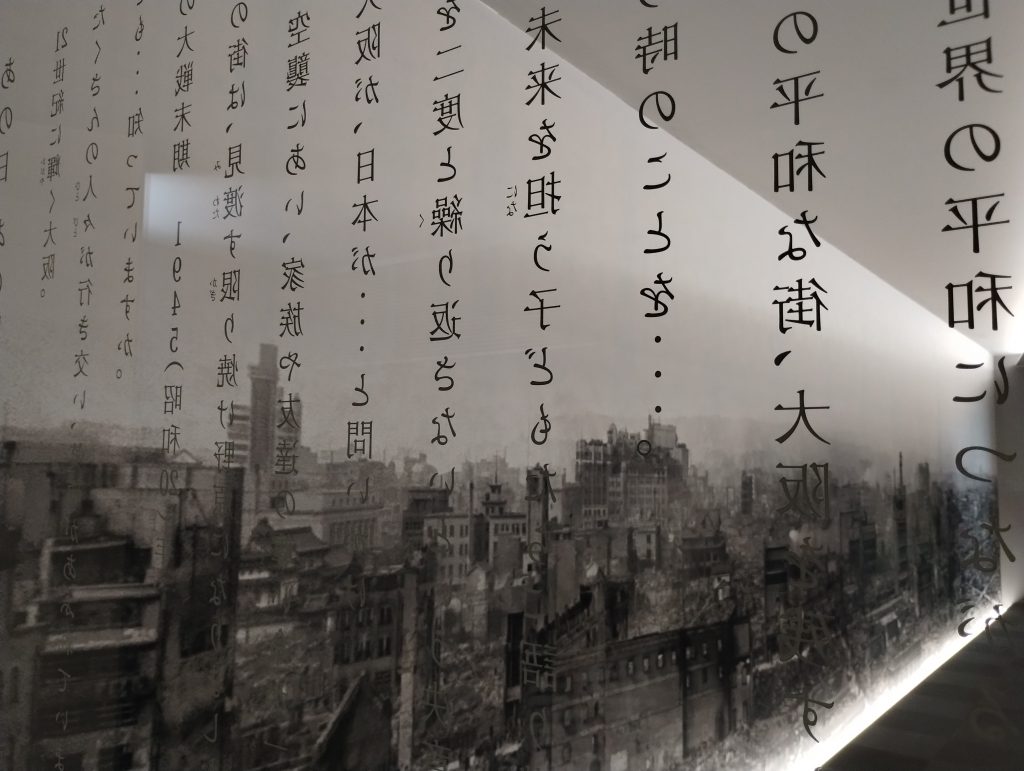
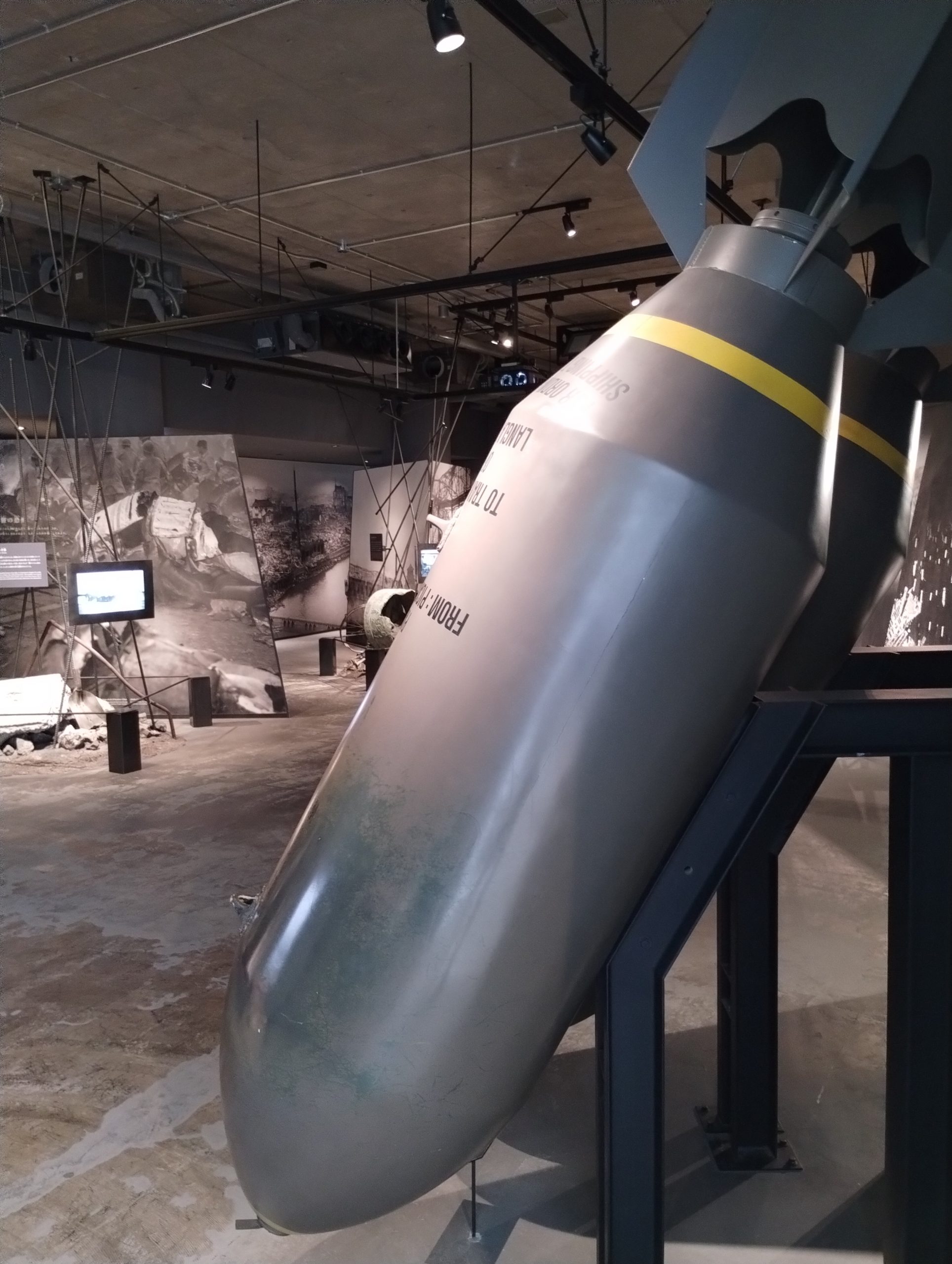
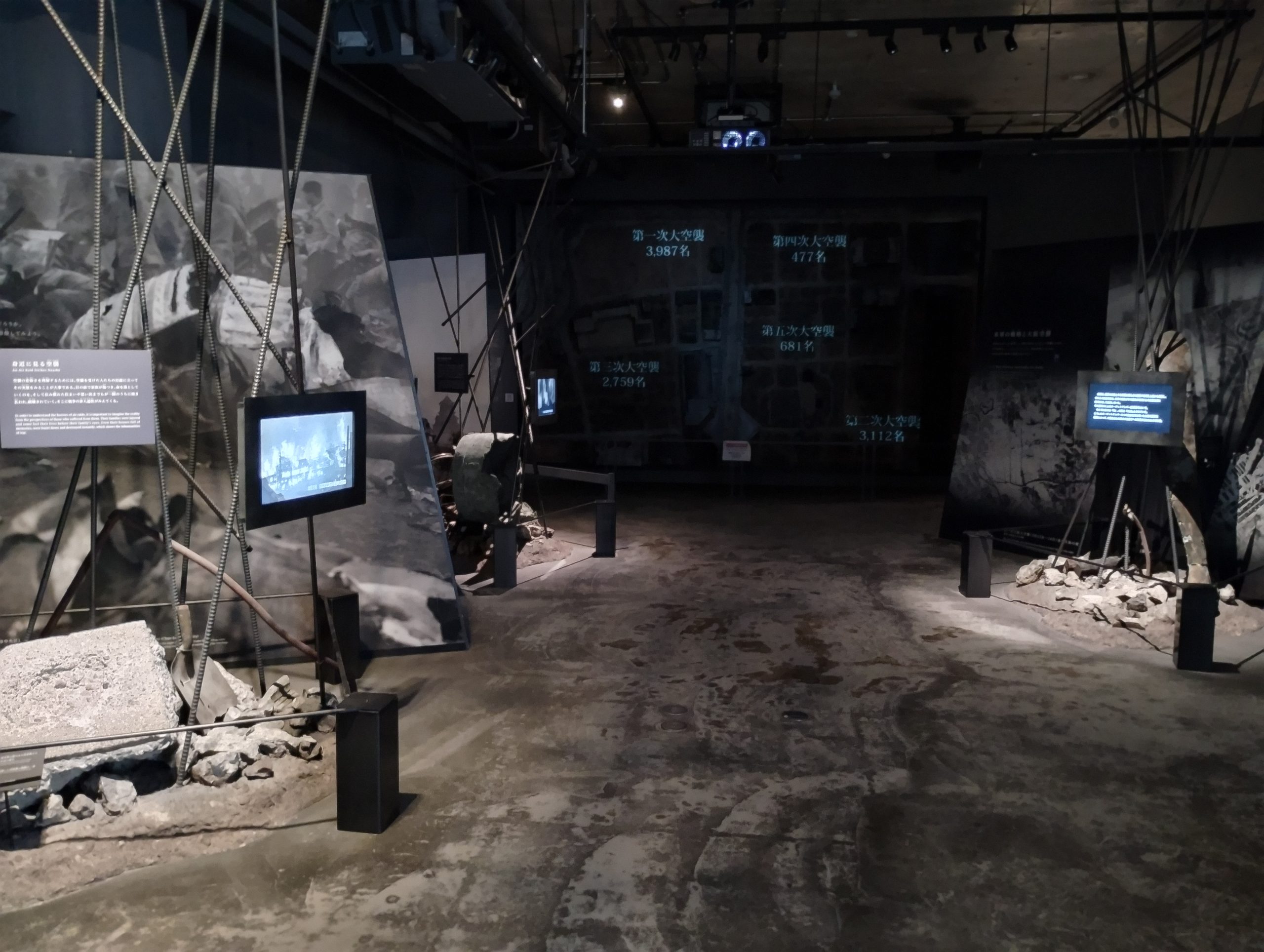
The International Peace Center, which we visited, also operates in Osaka. The modern multimedia exhibition presents the drama of war and the destruction caused by armed conflicts. The moving exhibitions bring visitors closer in a modern way to difficult topics related to war losses, both material and human. Additionally, we could see a temporary exhibition prepared by the Warsaw Rising Museum, telling the story of the Warsaw Rising. Its presence within the walls of the Japanese institution also indicates the need to educate recipients about the fate of other, even distant countries. It is worth mentioning that Jerzy Strzałkowski, who was one of the “Siberian children”, fought in the Warsaw Rising.
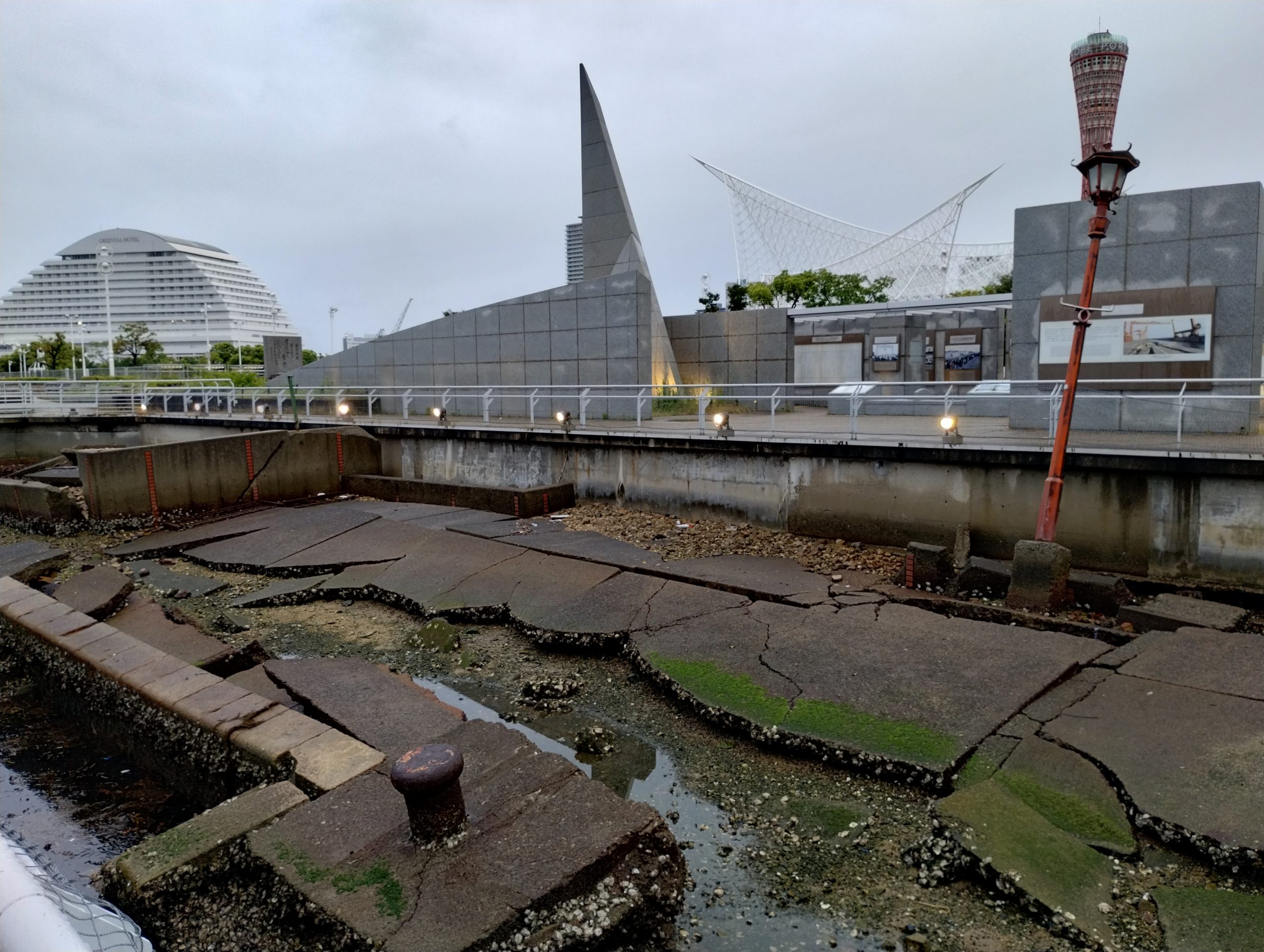
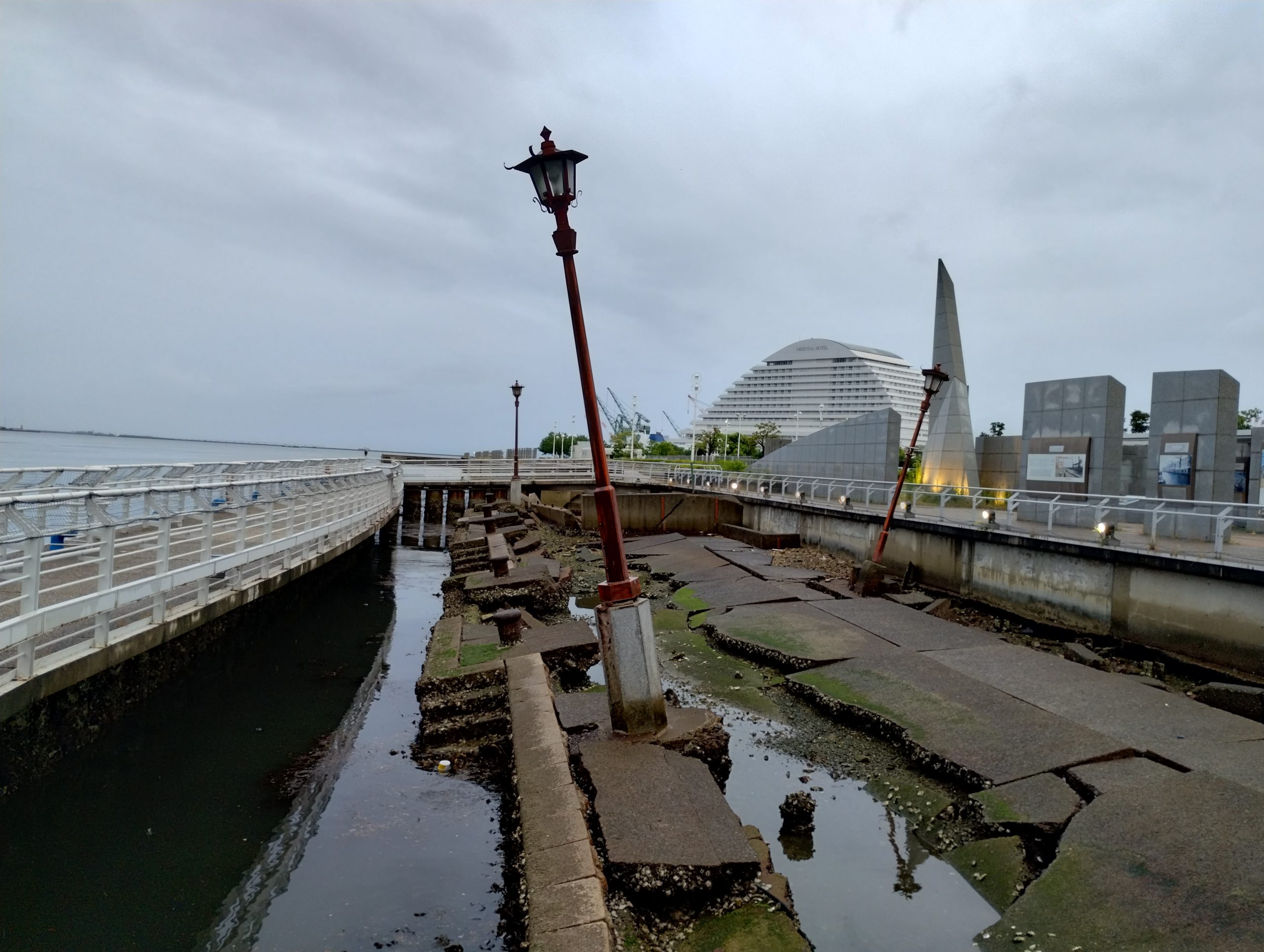
Following the traces of Polish children in Japan, Kobe cannot be overlooked. It was from the port in this city that they sailed on Japanese ships to other countries: the USA and Great Britain, from where they finally reached Poland. Although not much of the atmosphere of old Kobe remains today (the city was severely damaged by the great earthquake of 1995), it is worth going to the port for a moment and trying to imagine the last moments of young Poles on Japanese soil. Henryk Sadowski, whose memories of his stay in the Land of the Rising Sun are included in the collections of our museum, wrote that when the ship was unmoored, all the children approached the side to sing the Japanese national anthem together. He added at the end: “[…] we said goodbye to the wonderful and beautiful Japan, which has since become like our second homeland”. Near the port, the Kobe authorities designated the area where the Erthquake Memorial Park was built: a symbolic place surrounded by modern buildings, reminding us of the tragedy of 1995.
All the initiatives we participated in, the places we visited, are aimed at promoting knowledge about the “Siberian children”. Joint activities undoubtedly maintain historical memory and build awareness. They also allow us to better understand the intricate twists and turns of Polish history and its connections with seemingly distant, yet so close countries. There is no doubt that it is worth talking about and must be talked about. We are very pleased with the involvement of the descendants of the “Siberian children” in maintaining the memory of this history. We hope that the Museum of Memory of Siberia will also be able to join this unique community of “Polish-Japanese blossoming friendship”.
Photo by Sylwia Szarejko, Yoshiki