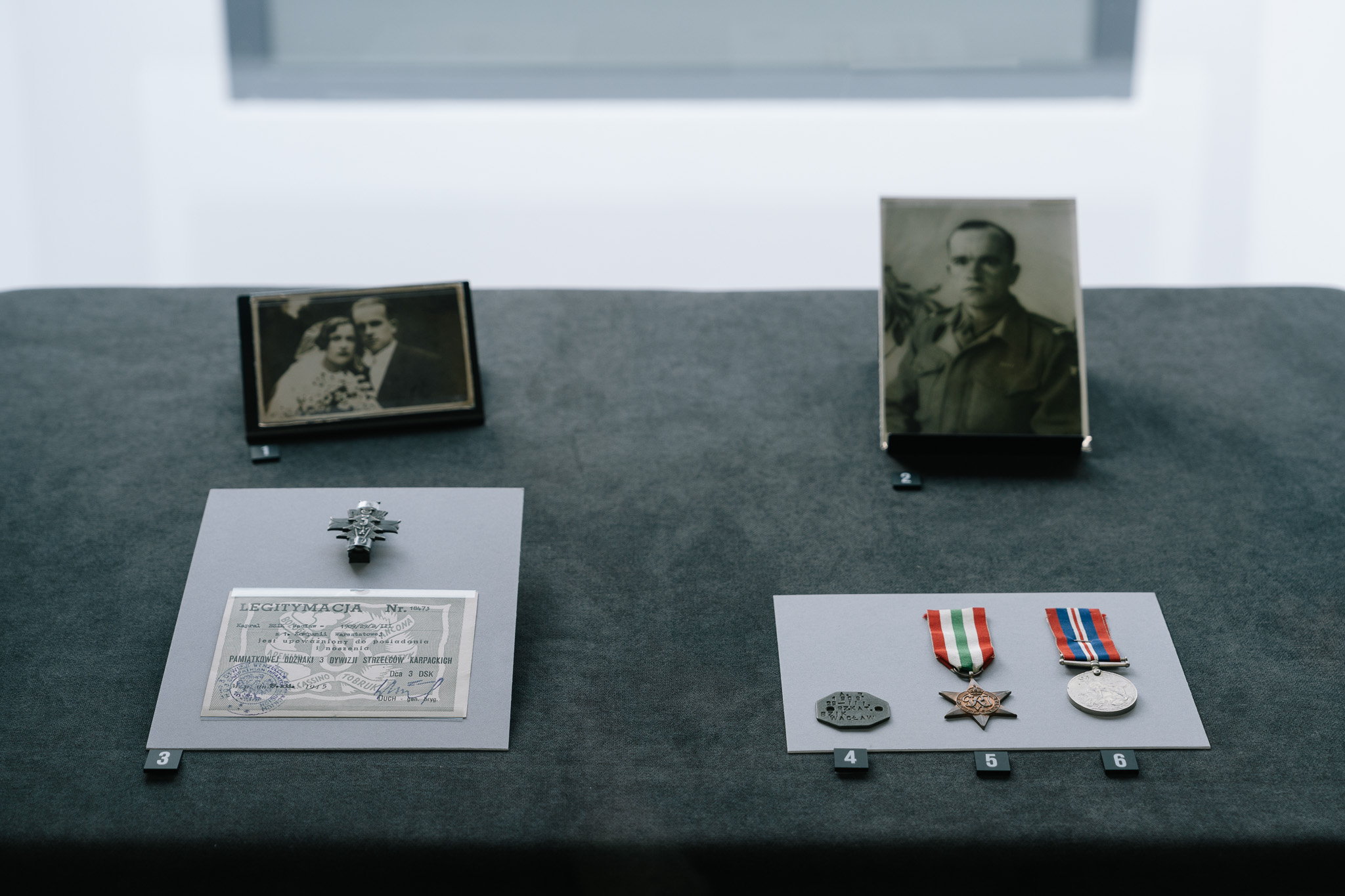



Eighty years ago, in May 1944, Polish soldiers under the command of General Władysław Anders joined the battle of Monte Cassino. Their decisive assault and subsequent victory opened the way to Rome for the Allied forces. However, the Polish triumph was followed by suffering and their struggle for survival – not only on the front lines but also deep within the Soviet Union, where many “Anders’ soldiers” had previously resided. Among them was Wacław Bzik. Memorabilia related to him and his wife, Stanisława, can be seen at the Sybir Memorial Museum as part of the May Exhibit of the Month.
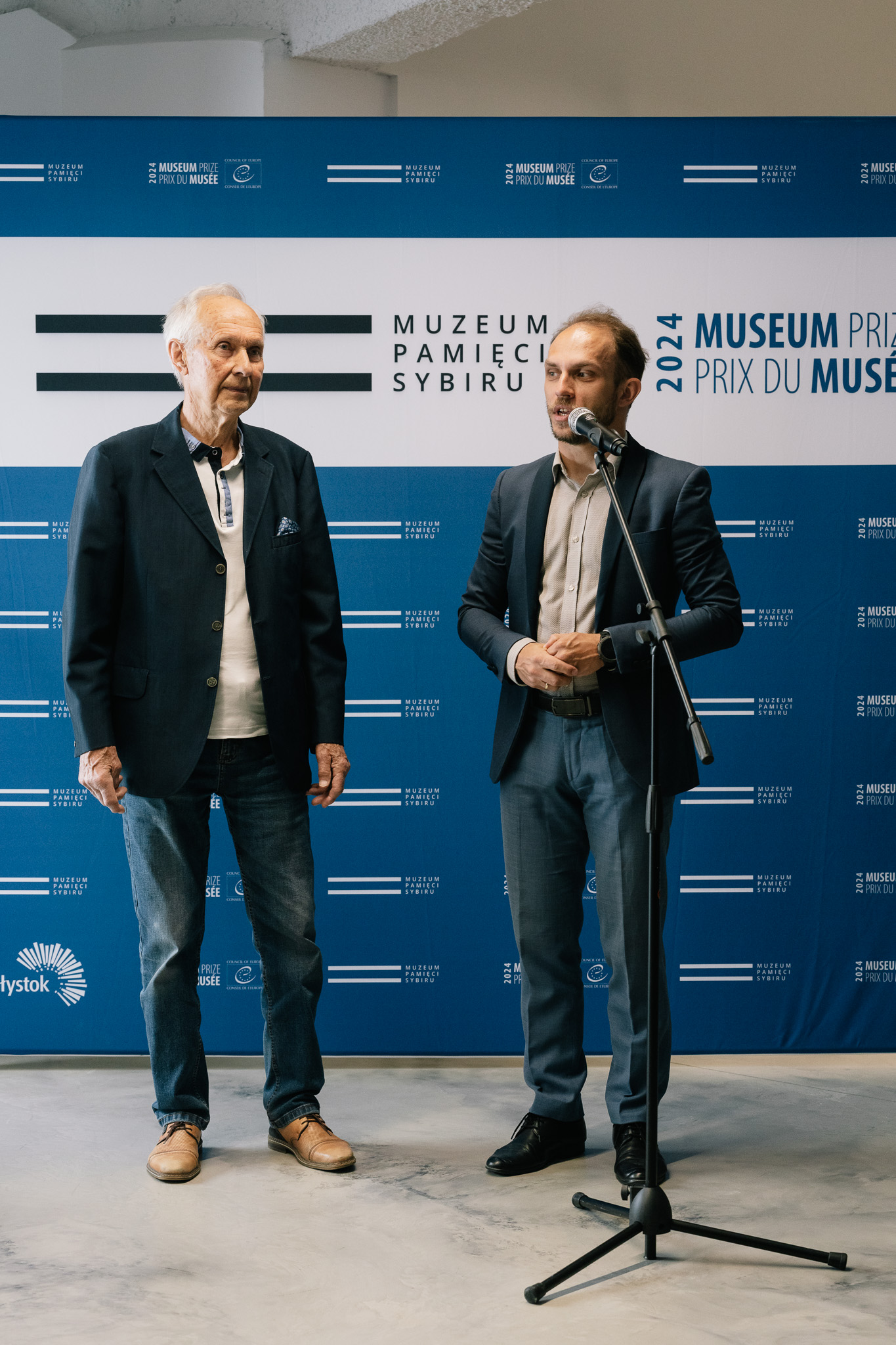
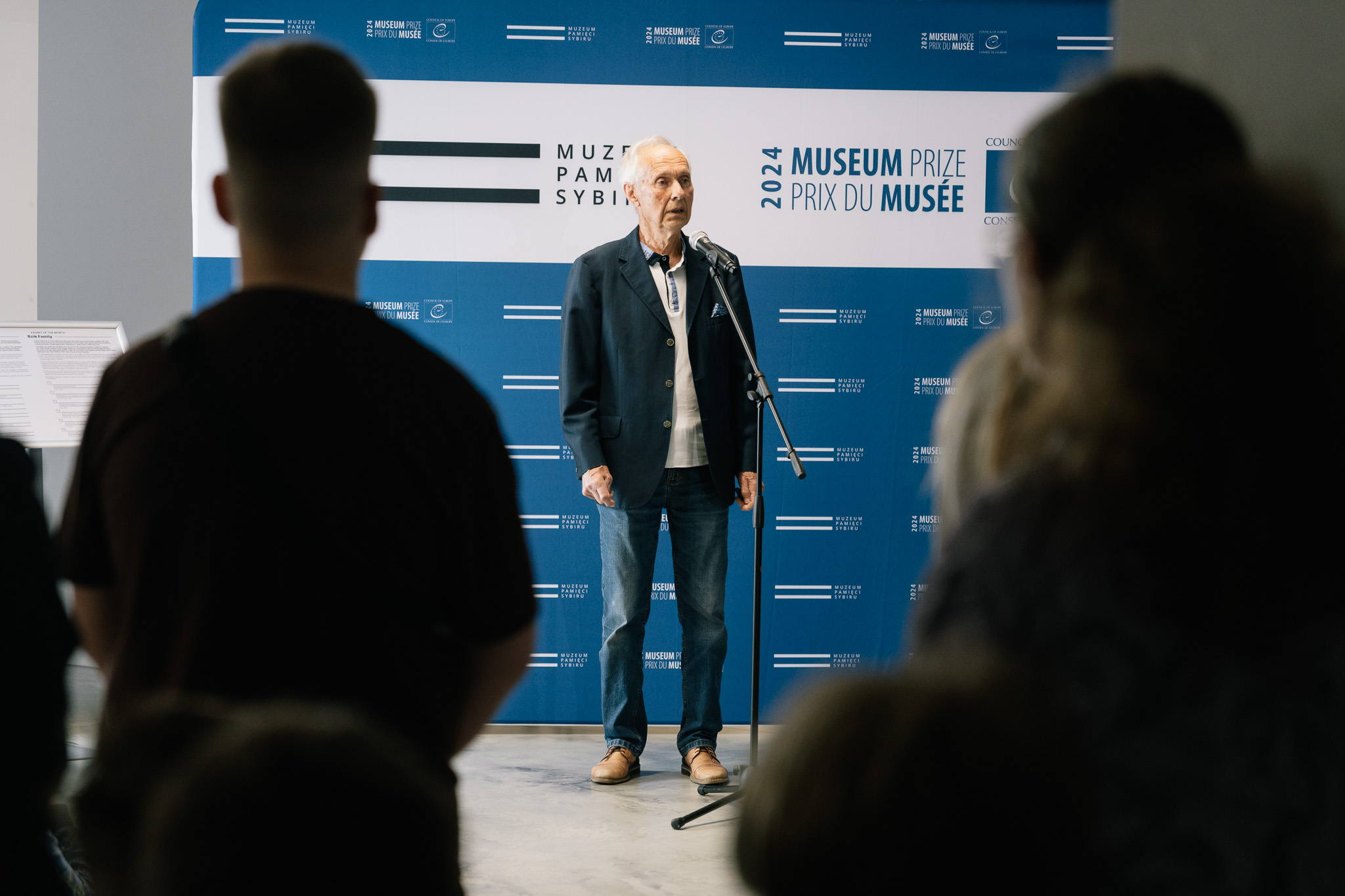
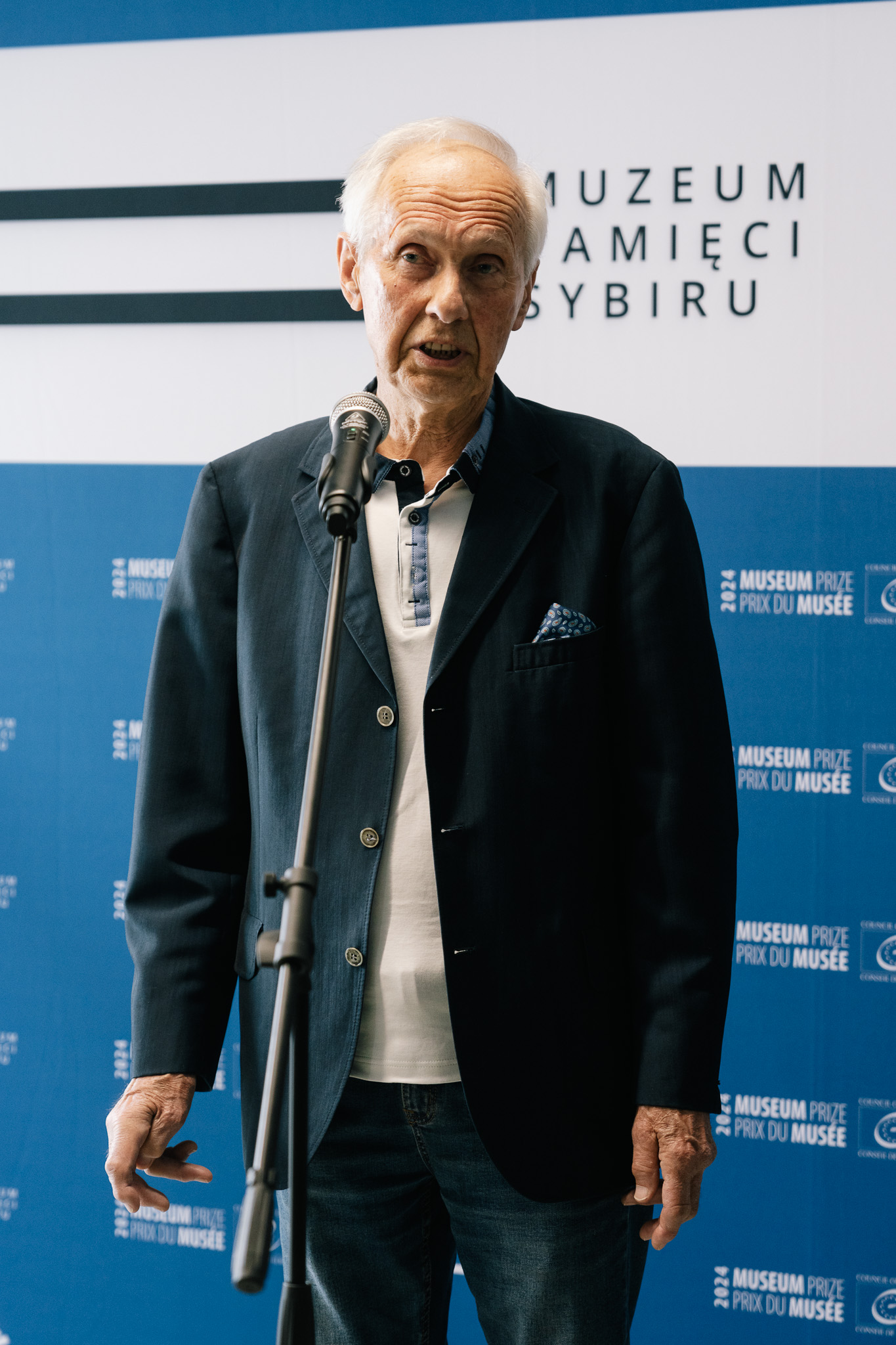
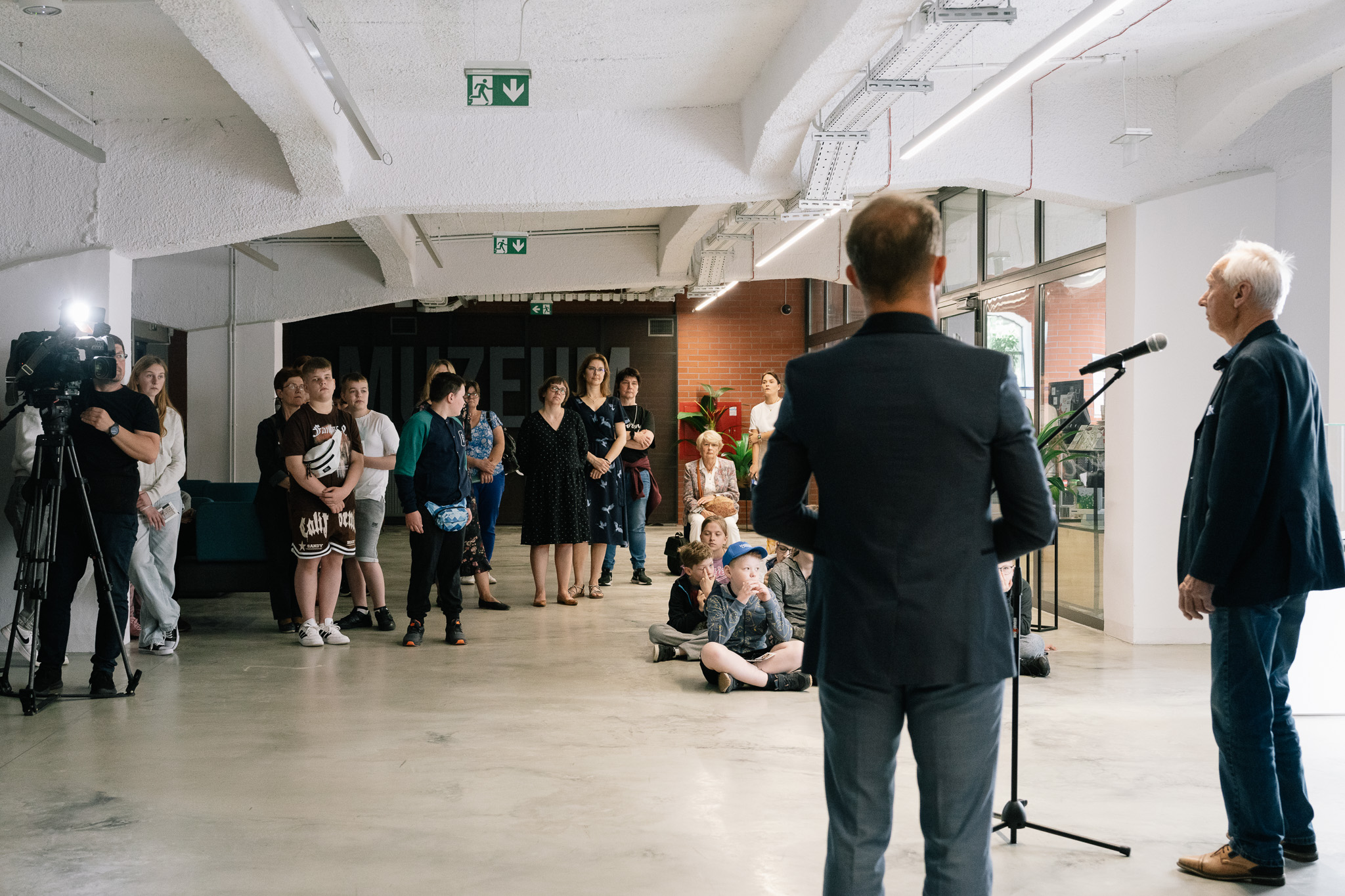
Stanisław Sieńczyło – Wacław Bzik’s godson and Stanisława Bzik’s nephew, spoke about the memorabilia on inauguration day of the new edition of the series:
“My uncle Wacław Bzik was a forester at the Sokółka Forest District, and his wife, my aunt, Stanisława Bzik née Sieńczyło, worked at the Złota Wieś Forest District. They were deported by the Soviets to Siberia during the first mass deportation on February 10, 1940. They ended up far away, near Irkutsk. From the stories I’ve heard, the conditions there were truly dreadful,” began our guest.
The outbreak of the German-Soviet war became an opportunity to improve the Bzik family’s situation. The new “deals” on the world political stage led to the signing of the Polish-Soviet agreement, known as the Sikorski-Mayski Agreement. Under its terms, both sides reestablished diplomatic relations, and all Polish deportees, labor camps prisoners, prisoners of war were to regain their freedom and be given the chance to join the emerging Polish army in the Soviet Union under the command of General Władysław Anders. Unfortunately, the reality turned out to be more complicated, and reaching the assembly point of the Polish army was often impossible. However, Wacław was fortunate.
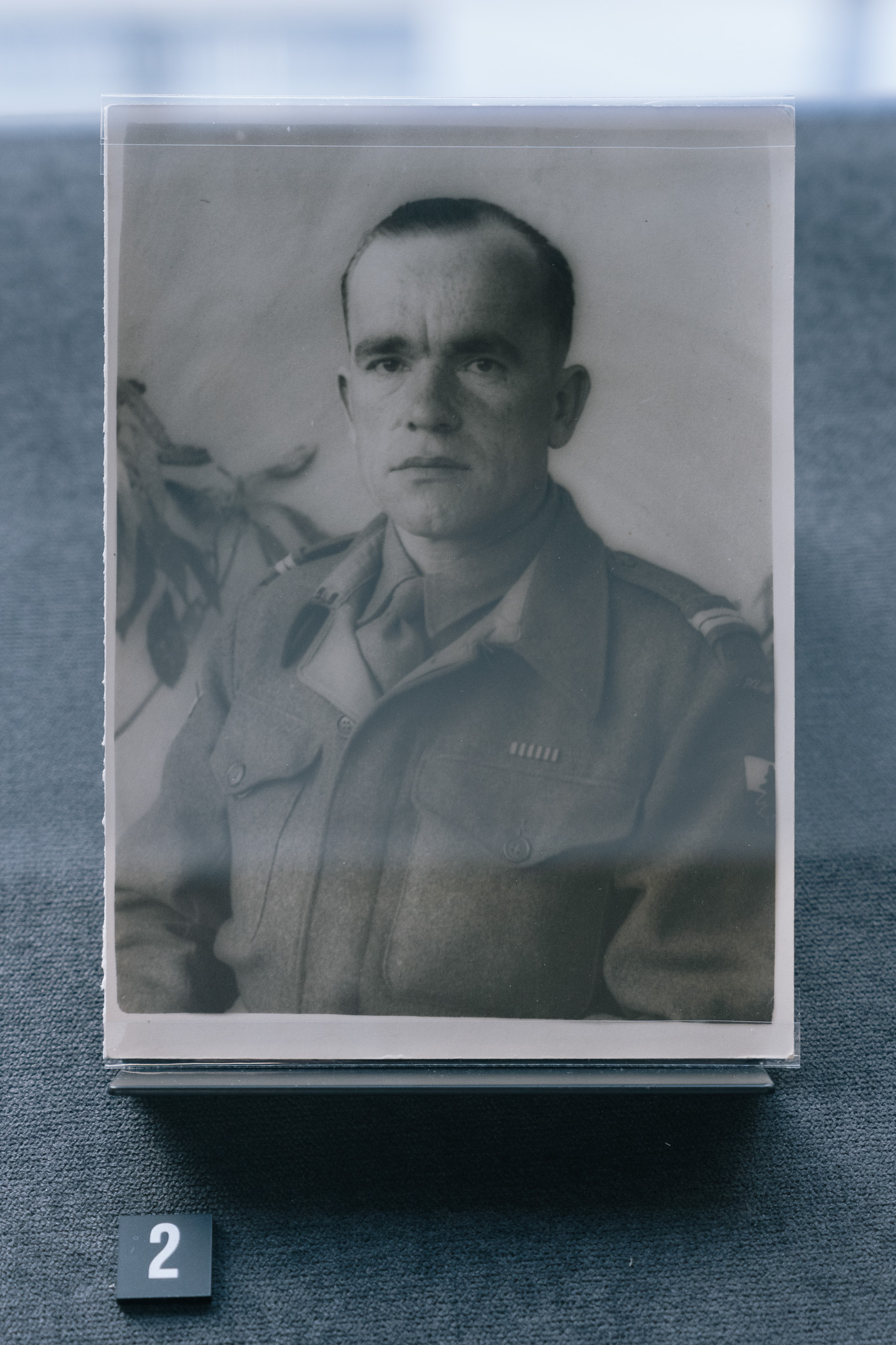
“My uncle was lucky, indeed. In 1942 he managed to join the Polish army led by General Anders, with which he went to the Middle East. Unfortunately, my aunt was not so lucky. She remained in the Soviet Union – recounted Stanisław Sieńczyło – My uncle came a very long way from Iran, through Jerusalem, to Monte Cassino, where he took part in battles. He served in the 1st Workshop Company of the 3rd Carpathian Rifle Division,” said our guest.
Finally, Monte Cassino was captured on May 18, 1944. However, this was not the end of fights for Wacław Bzik and the rest of Polish soldiers. Anders’ soldiers ended their combat trail only in Bologna, a city they liberated from the German occupation on April 21, 1945.
Meanwhile, Stanisława, who remained in the Soviet Union, joined the newly formed Polish army with General Zygmunt Berling in the lead , in 1943. She also returned to Poland in 1946, and one year later, her husband joined her.
The story of the Bzik family is just one of many such stories. Stories that combine sadness with hope, despair with pride, and humiliation with the glory of victory. The history of Wacław and Stanisława also illustrate the different paths taken by Poles deported deep into the Soviet Union. However, they shared a common goal: survival and fighting for free Poland.
The memorabilia related to the Bzik family presented as part of the Exhibit of the Month series can be seen throughout the month.