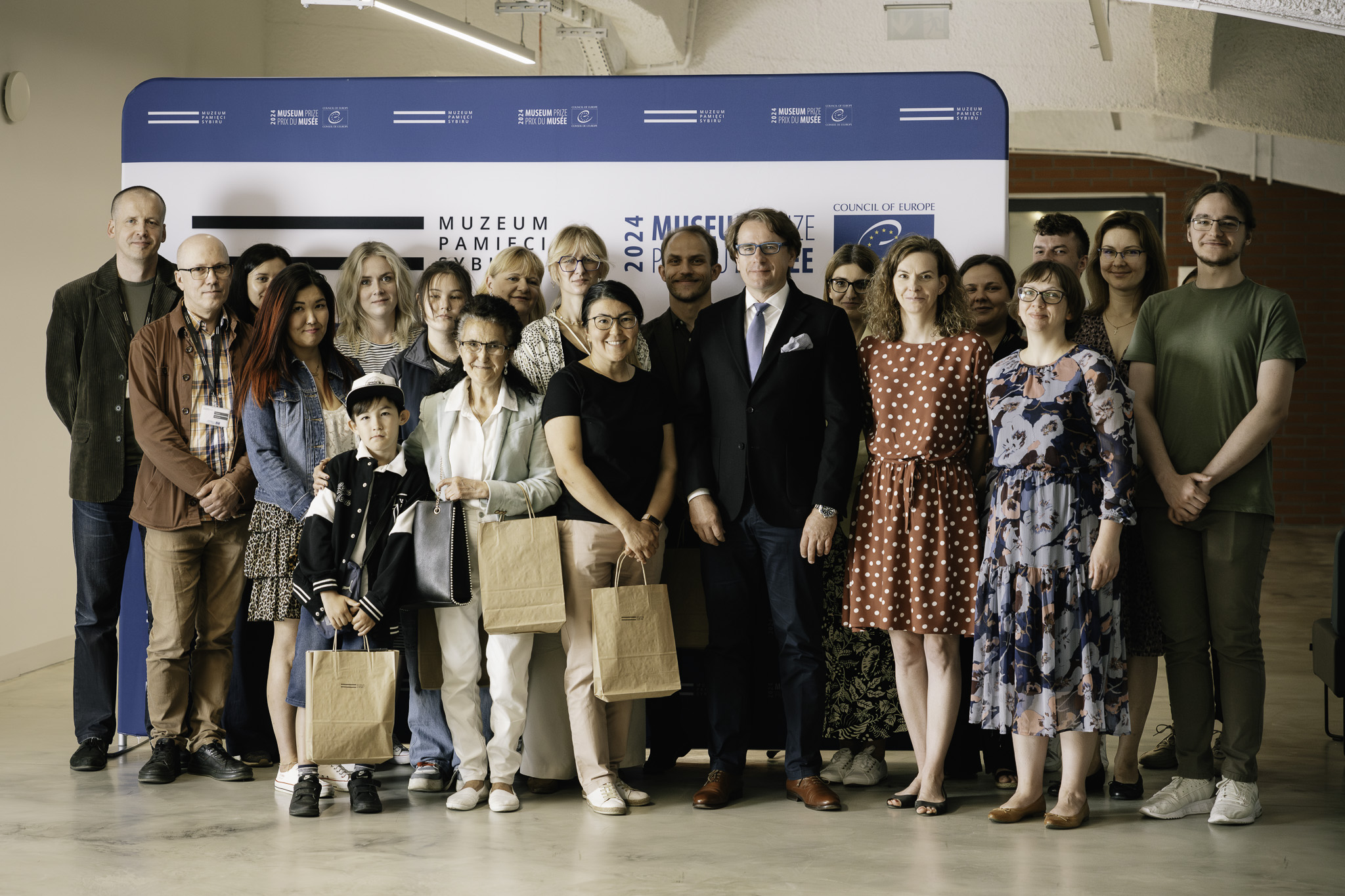



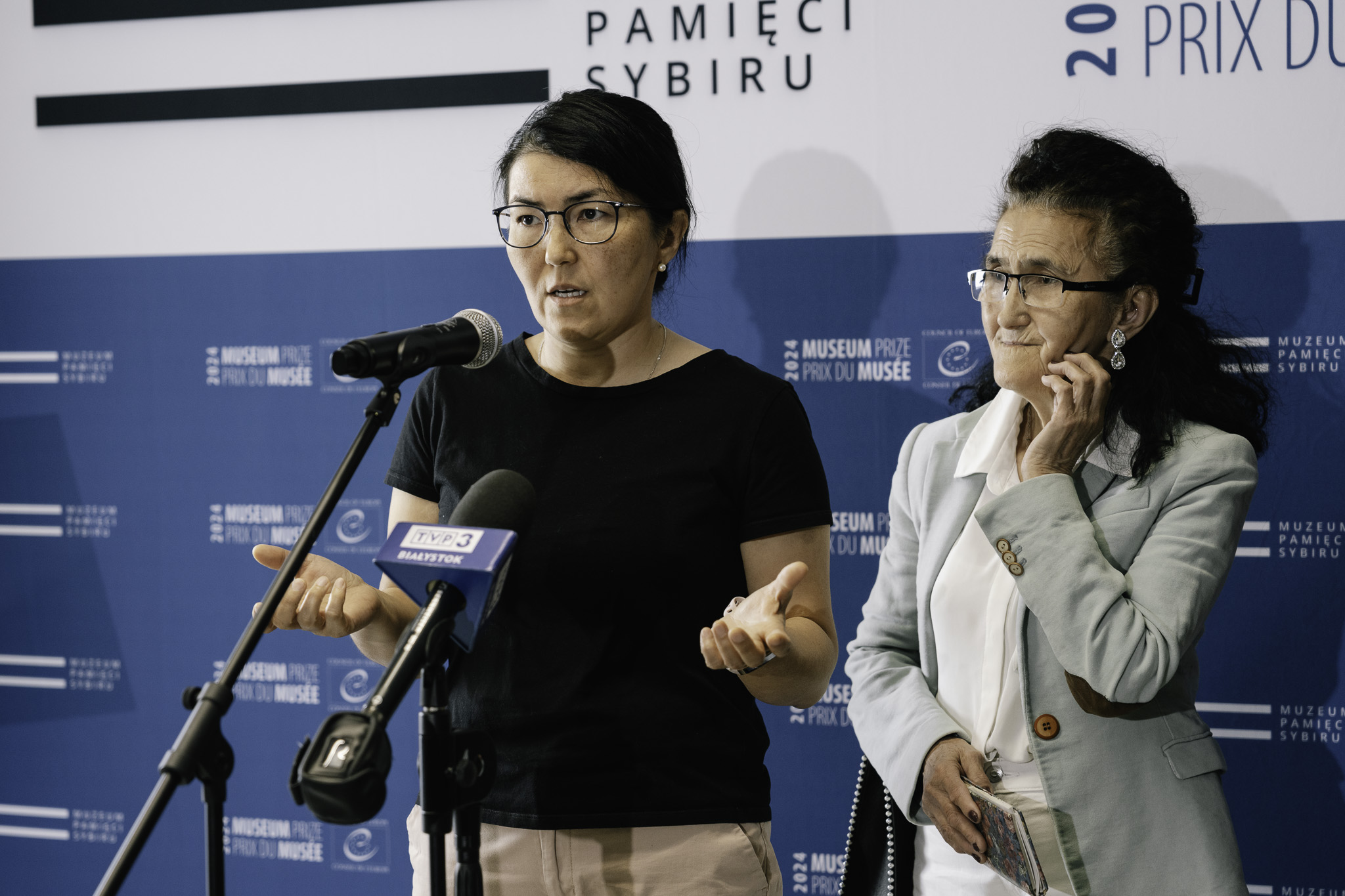
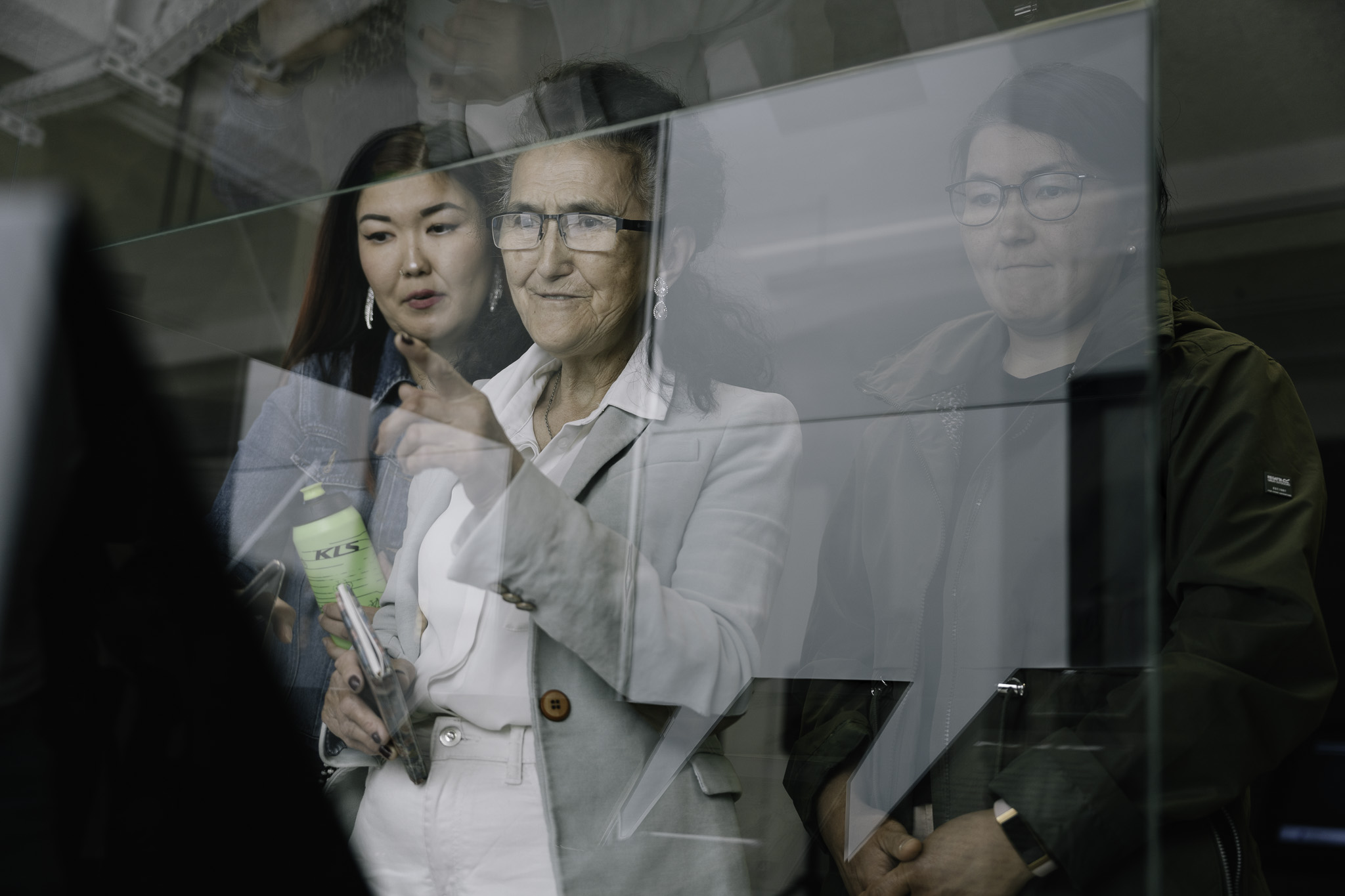
Once again, we had the opportunity to hear poignant memories regarding exile to Siberia at the Sybir Memorial Museum. As part of the June edition of the “Exhibit of the Month” series, Mrs. Janina Gromadzka and her daughter Alina shared their story. Their family was exiled to distant Siberia in June 1941.
“June is the month in which the anniversary of two deportations in 1940 and 1941 falls. This anniversary and deportation also touched the Gromadzki family. A family that connects the history of Lithuania and Yakutia. We are very grateful for the opportunity to hear the story of the family directly from Mrs. Janina and Alina — the daughter and granddaughter of Jerzy Gromadzki, who was exiled to Siberia,” began the meeting, Professor Wojciech Śleszyński, Director of the Sybir Memorial Museum.
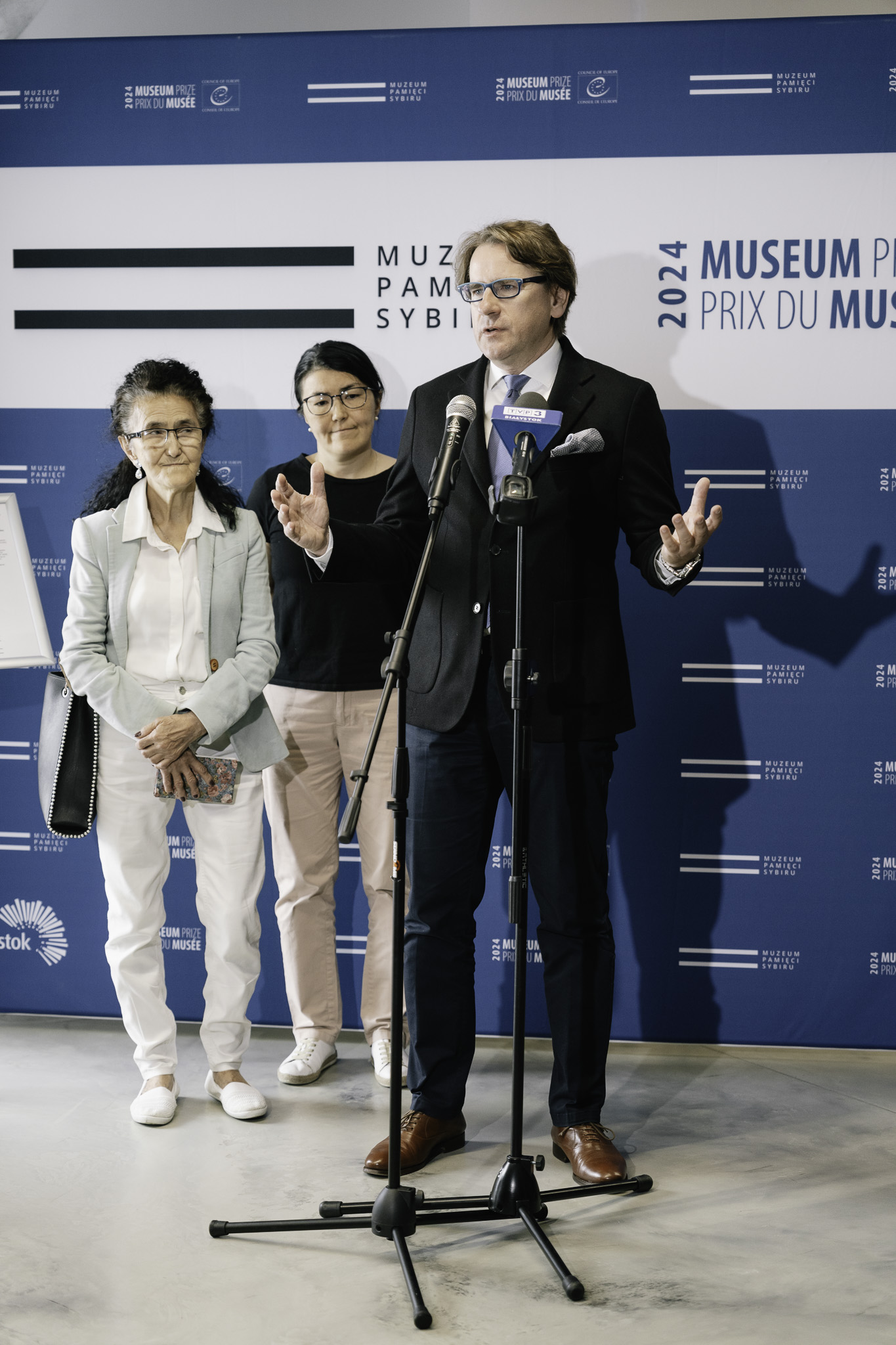
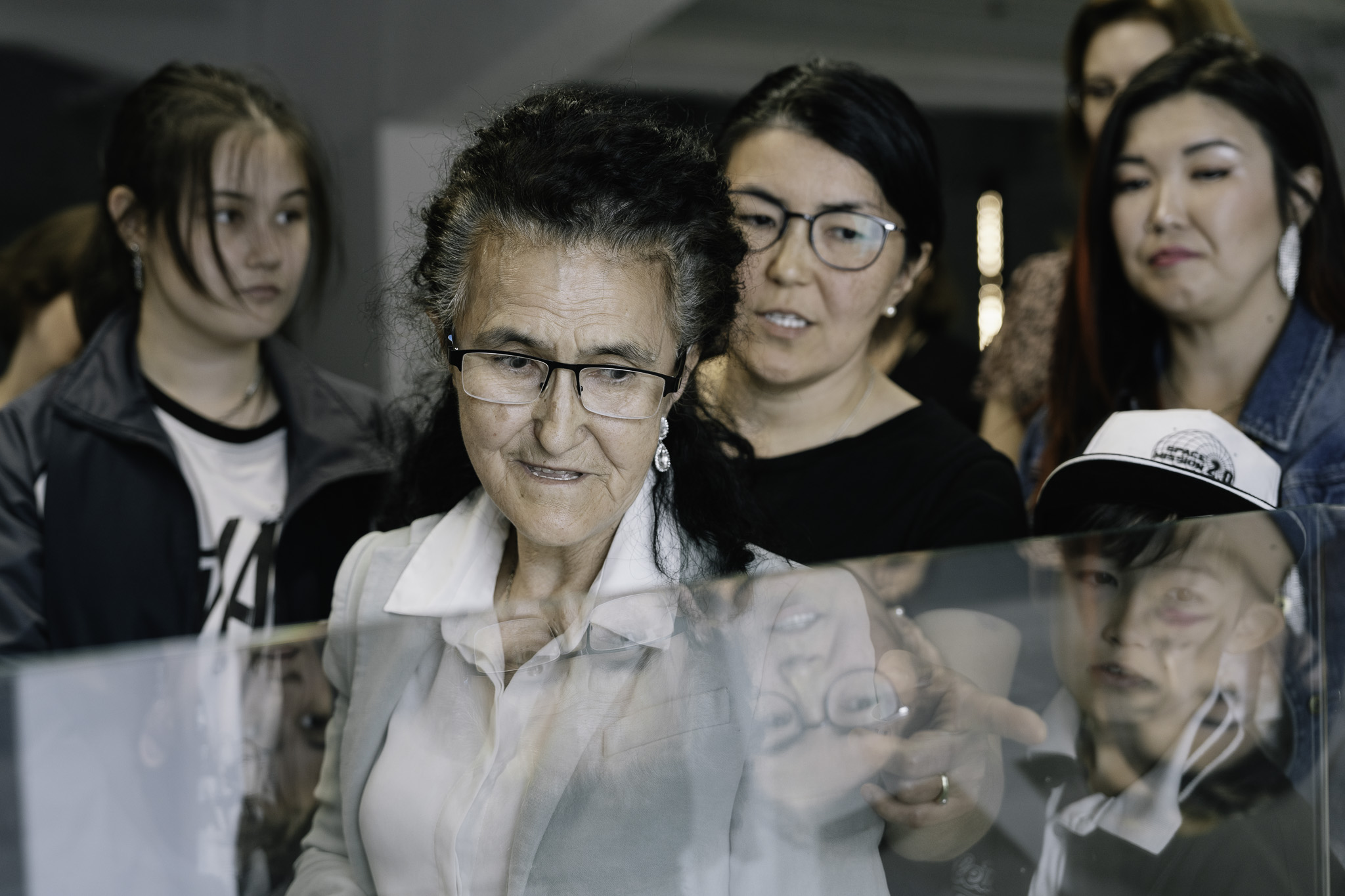
Ludwik Gromadzki, the grandfather of our guest was the owner of the estate Szykszniewo, located in in the Vołkov district in the Republic of Lithuania. In the summer of 1940, the lands of this state fell under the Soviet occupation. In June 1941, the Soviets deported the Gromadzki family to the East: Ludwik’s wife – Henryka and their two adult children: Cecylia and Jerzy – Janina’s father. Only Ludwik, who was recovering from surgery, and Jan, the second son, who was away at that time, were left behind.
“I got to know the whole story from my father, Jerzy. Dad told me that they were on a train for a very long time and had practically no belongings with them. It was crowded, people had nothing to eat, it was impossible to wash, no toilet, just a hole in the floor. Some people couldn’t stand the journey in such terrible conditions; when they died, their bodies were simply thrown outside from one of the doors of the carriage,” recounted Mrs. Janina.
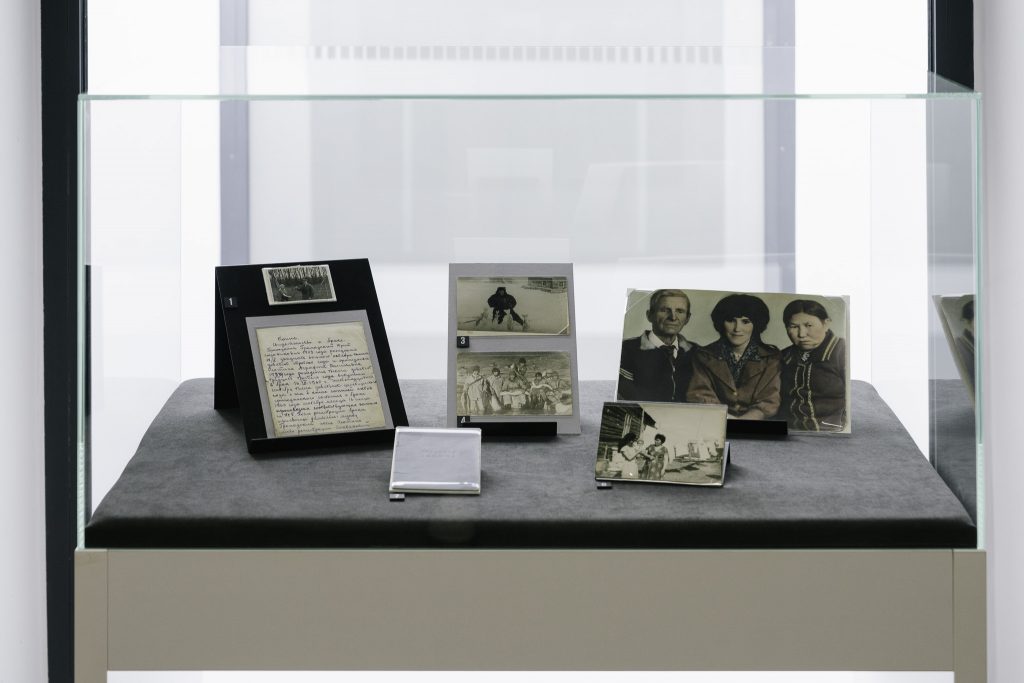
The Gromadzki family was sent to the far north of the Soviet Union, to Yakutia on the coast of the Laptev Sea. Extremely harsh conditions there led to the deaths of many deportees, including Henryka and Cecylia, who died during their first winter in Siberia. Jerzy remained in a special settlement until 1958, when he was released. As a pre-war citizen of Lithuania, he couldn’t even dream of going to Poland so he stayed in Yakutia. In the meantime, he married Agrafena Ochotina from the Evens, with whom he had a daughter, Janina.
“My grandfather told me that during his stay in Yakutia, he was grazing reindeers. He also traveled a lot around Siberia and even built a small power station in one of the Siberian towns. He taught the local men how to operate it. He was also finishing bicycles. Conditions in Yakutia were difficult — no paved roads, towns were many kilometers away, and winter followed by hard frost. My grandfather mentioned that he was very well received by the local population,” Alina, one of Janina’s daughters, said during the meeting.
Jerzy died in 1983 at the age of 80 and was buried in Sikyt in Yakutia. A few years after the fall of the Soviet Union, in 1997, Janina was repatriated to Poland.