



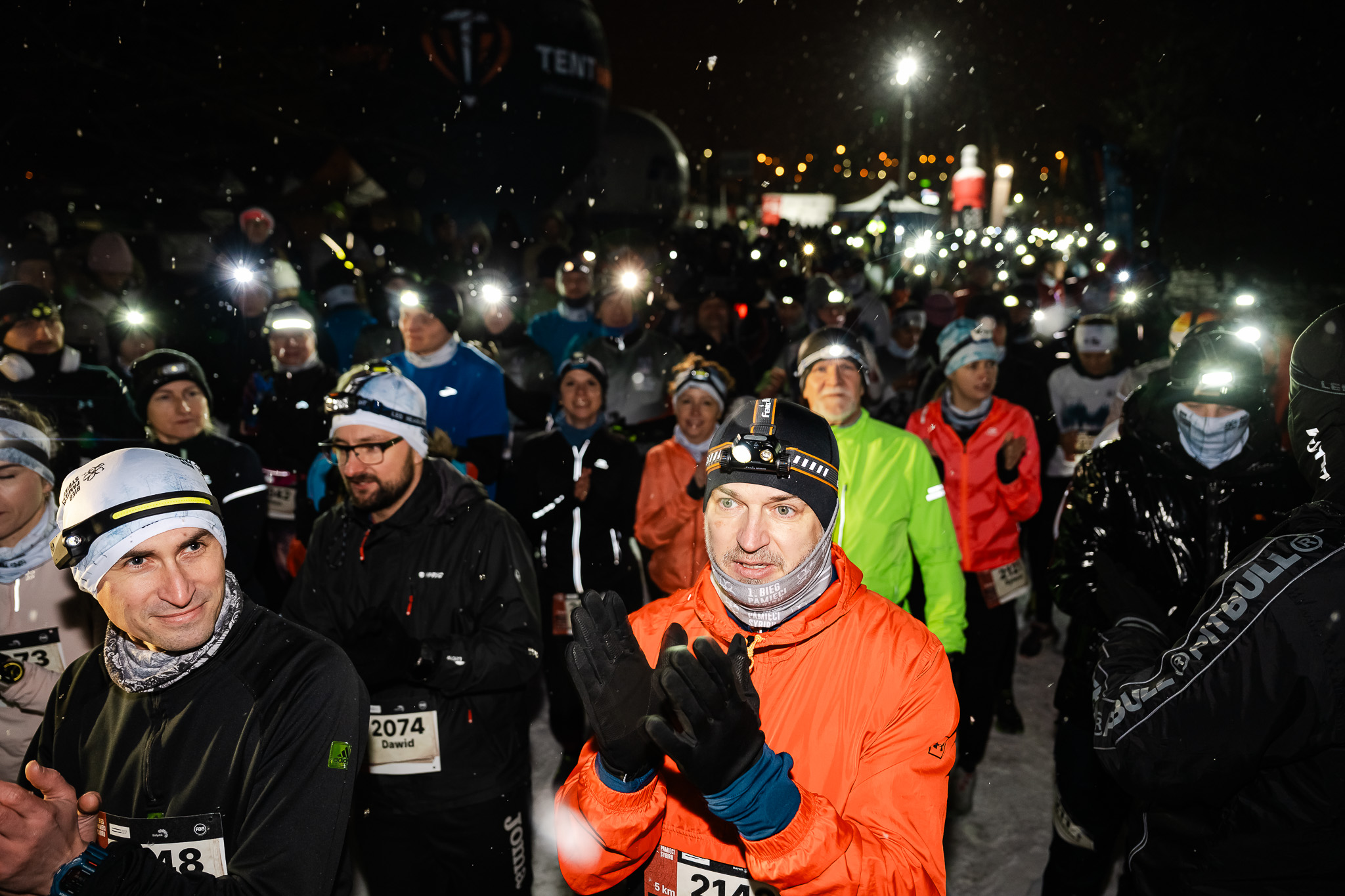
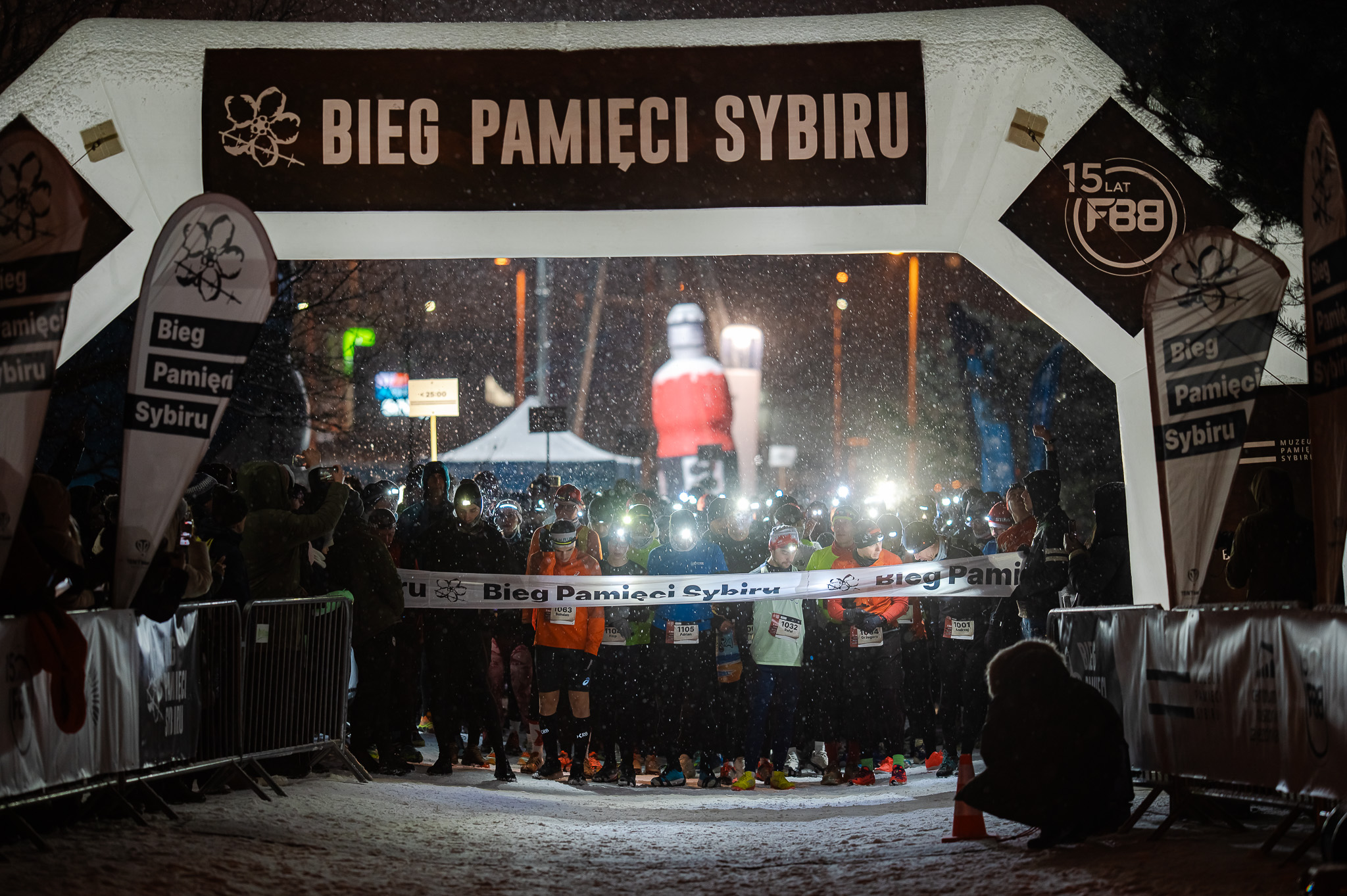
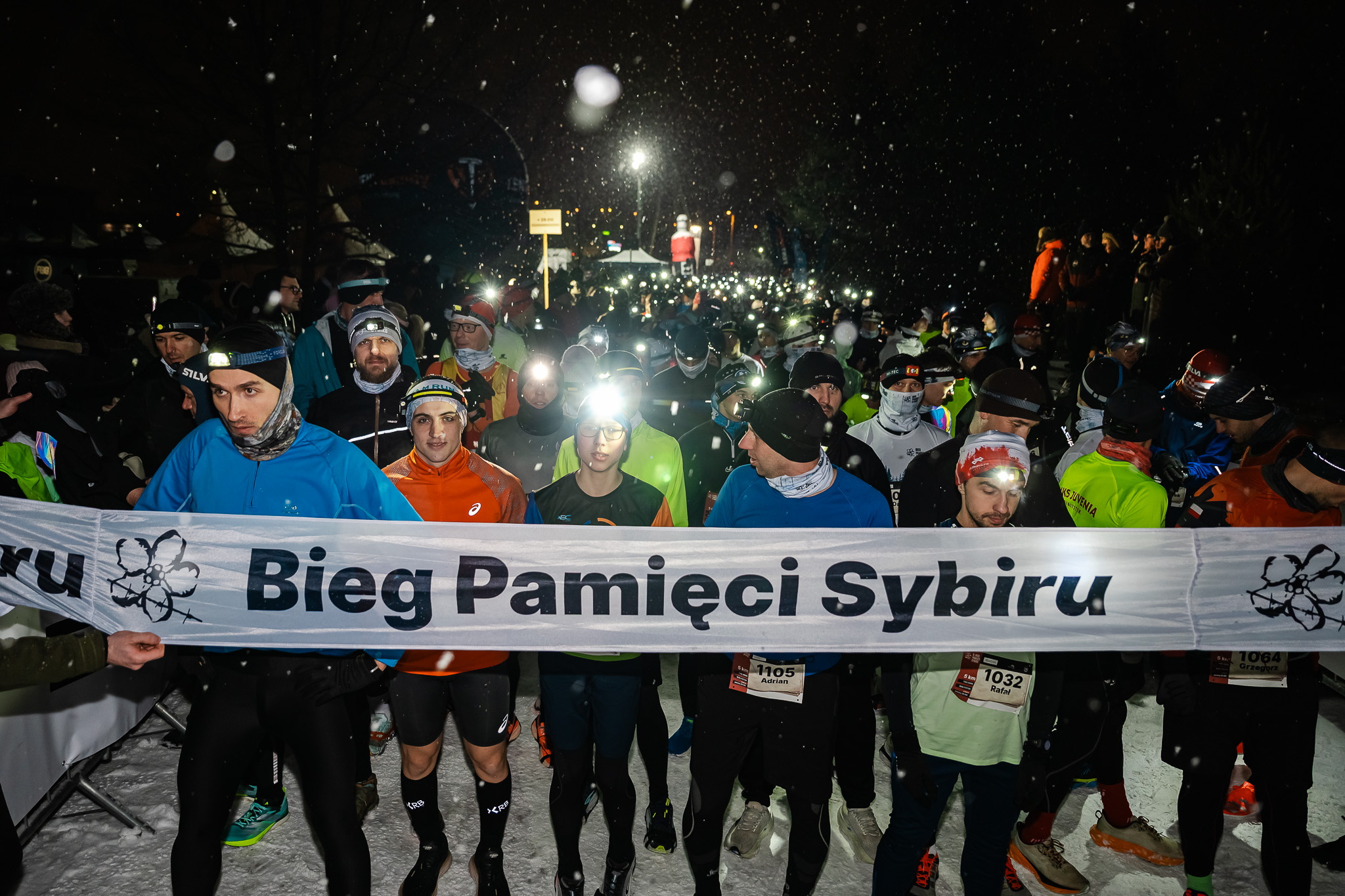
In the remarkable atmosphere of heavy snowfall, the Sybir Memorial Run was held for the eighth time in Białystok. This year’s edition once again took place in the Turczyński Forest, on the border between Białystok and Kleosin. For the second time, participants could choose between two distances: 5 km and 10 km. This year, as many as one third of them chose the longer distance.
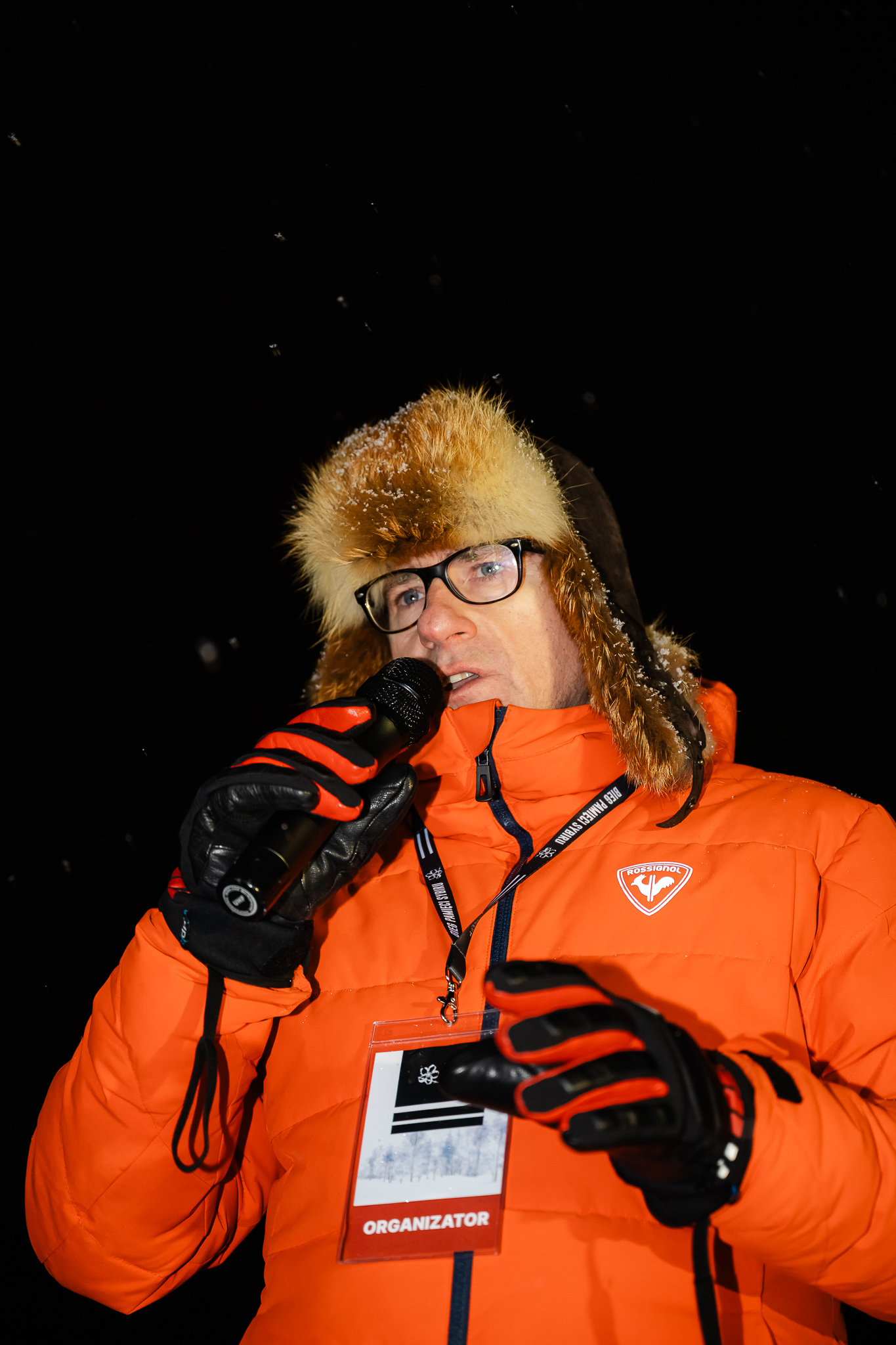
Just before 6:00 p.m., the opening ceremony began. Participants were welcomed by Prof. Wojciech Śleszyński, Director of the Sybir Memorial Museum:
“Today, there are over 1,200 of you here, which is an absolute record. We are running in conditions very similar to those of 86 years ago. On the night of 9–10 February, the first trains carrying deported Polish citizens departed. Please remain attentive and careful,” he said.
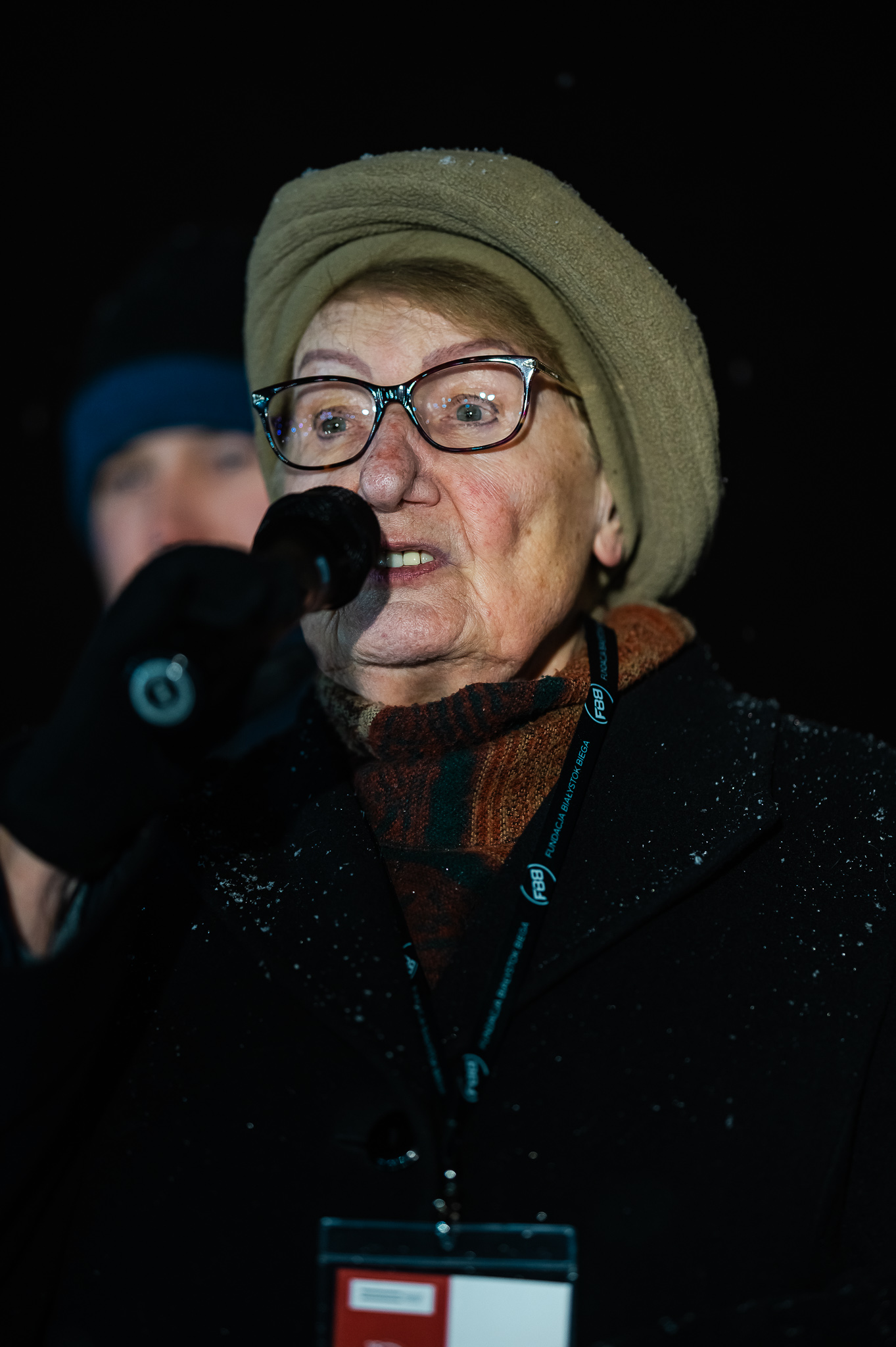
Jolanta Hryniewicka, President of the Białystok Branch of the Association of Sybiraks, also addressed the participants:
“Today’s run is a tribute to thousands of Polish citizens who, in the 1940s and 1950s, were deported to Siberia and Kazakhstan. We are glad that the memory of the Sybiraks has survived and that young people continue to take part in this event despite the harsh conditions. Among the runners are also descendants of Sybiraks. We are grateful that we have someone to whom we can pass on our history,” she emphasized.
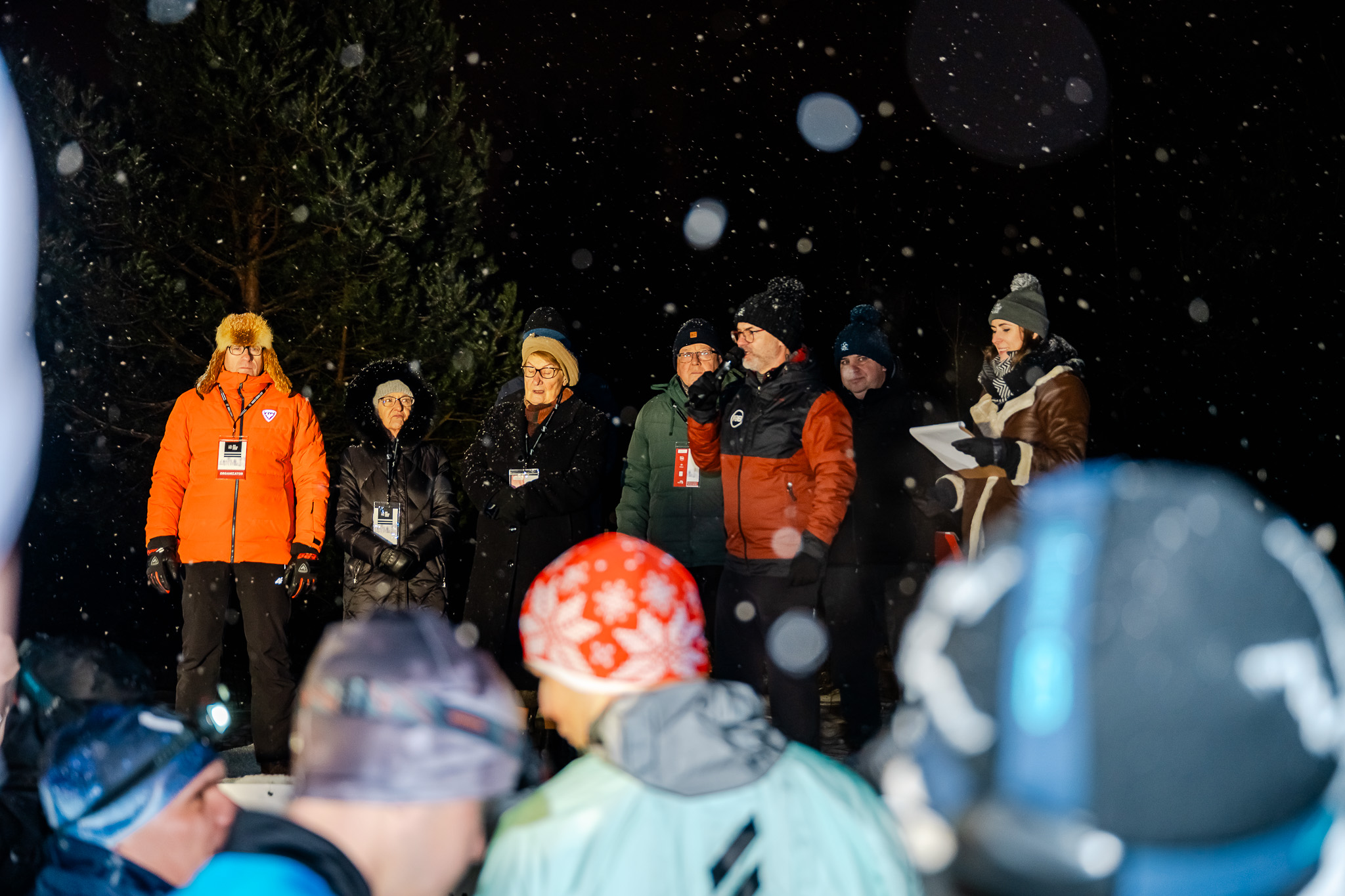
Grzegorz Kuczyński, President of the Białystok Biega Foundation, also spoke:
“Thank you very much for being here with us today and for deciding to stand at the starting line. Thank you for coming to Białystok. In two weeks, we will be running in Wrocław. Today, the virtual run has also started worldwide. We are already receiving results from Vienna, Berlin, the United States, and Great Britain. I am extremely pleased that the whole world is running with us today. You are here, they are elsewhere, but everyone is united by this shared idea.”
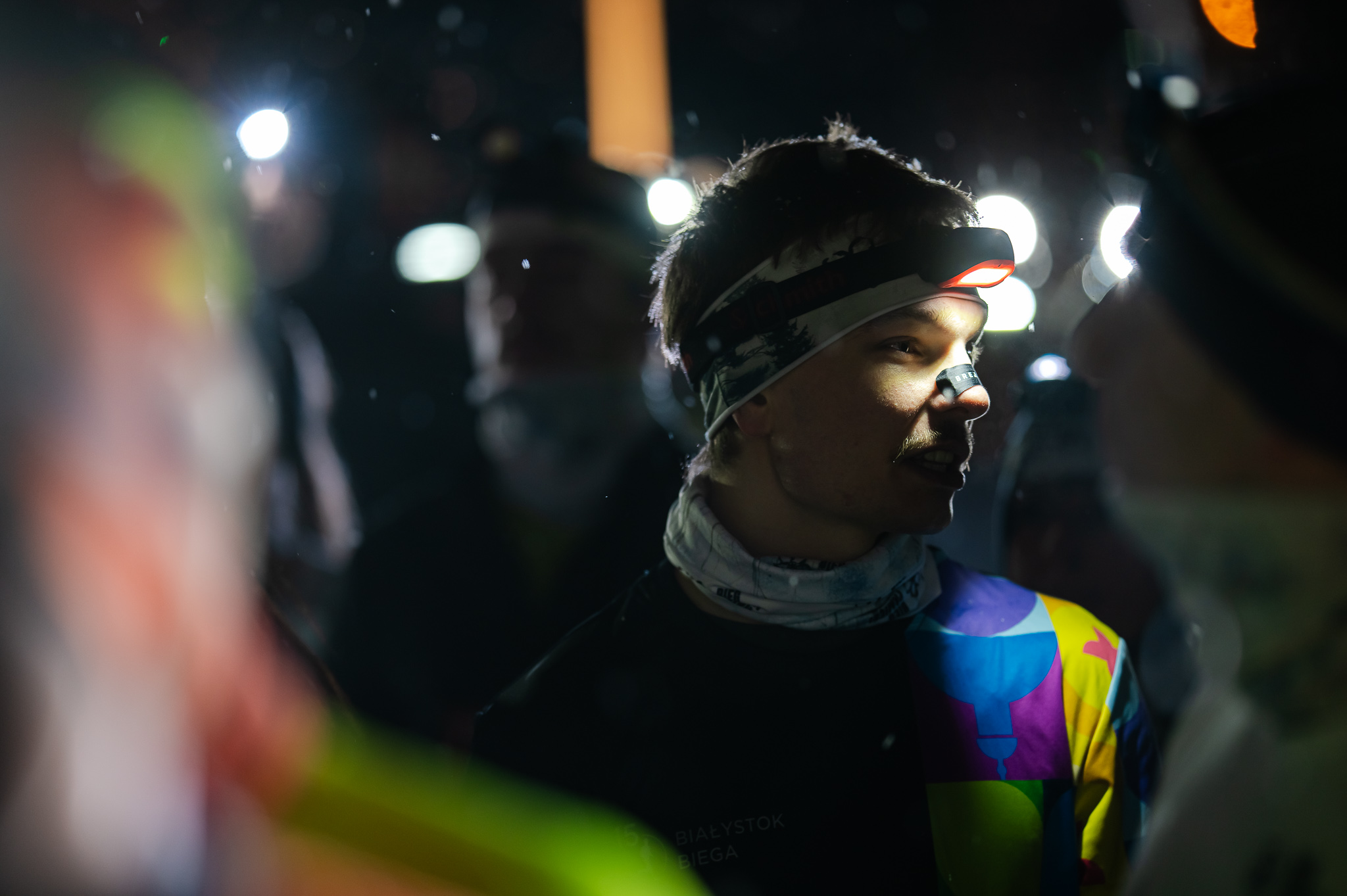
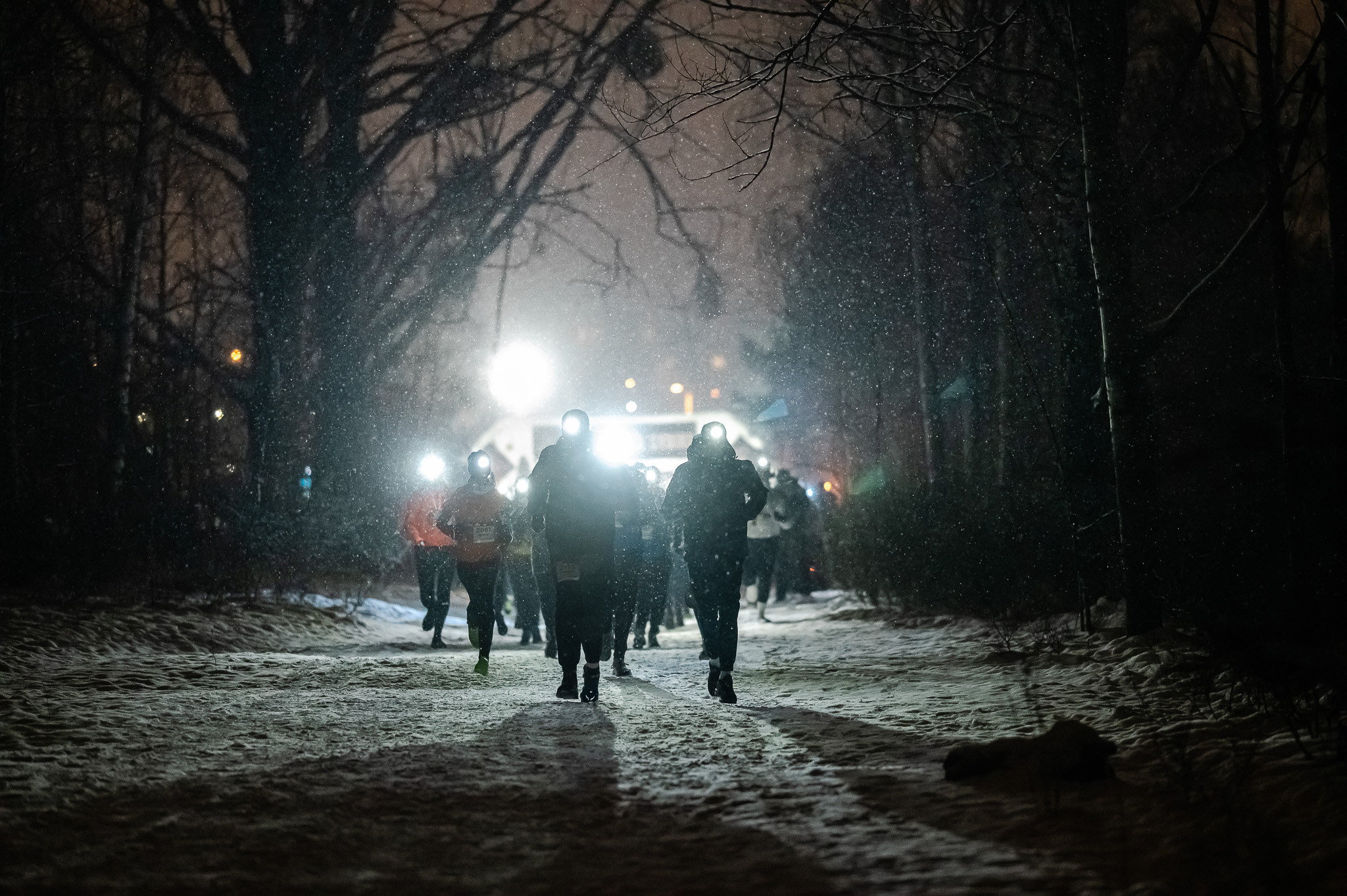
OAt 6:00 p.m., the first wave of the 5 km run began. Participants ran into the dark forest, equipped only with their headlamps. They were accompanied by frost, darkness, and silence. Along the route, specially prepared installations reminded them of the historical context of the event. About one kilometre from the start stood a symbolic “wagon” — a structure built from connected tents with interiors printed to resemble wooden planks. Openings in the sides served as windows, allowing light to enter and creating the impression of passing scenery. As participants ran inside, they experienced cramped space, dim light, and cold, offering a glimpse into the conditions in which Polish citizens were transported to Siberia.
Another point featured a light installation consisting of two spotlights positioned on both sides of the path. Their moving beams shone down on the runners, evoking the impression of watchtower surveillance. The lighting effects were accompanied by recorded sounds, including guards shouting commands in Russian.
Further along the route, participants encountered a “shadow theatre” depicting deportees working in forest labour, and finally, as every year, candles placed along the path commemorated the victims of deportations.
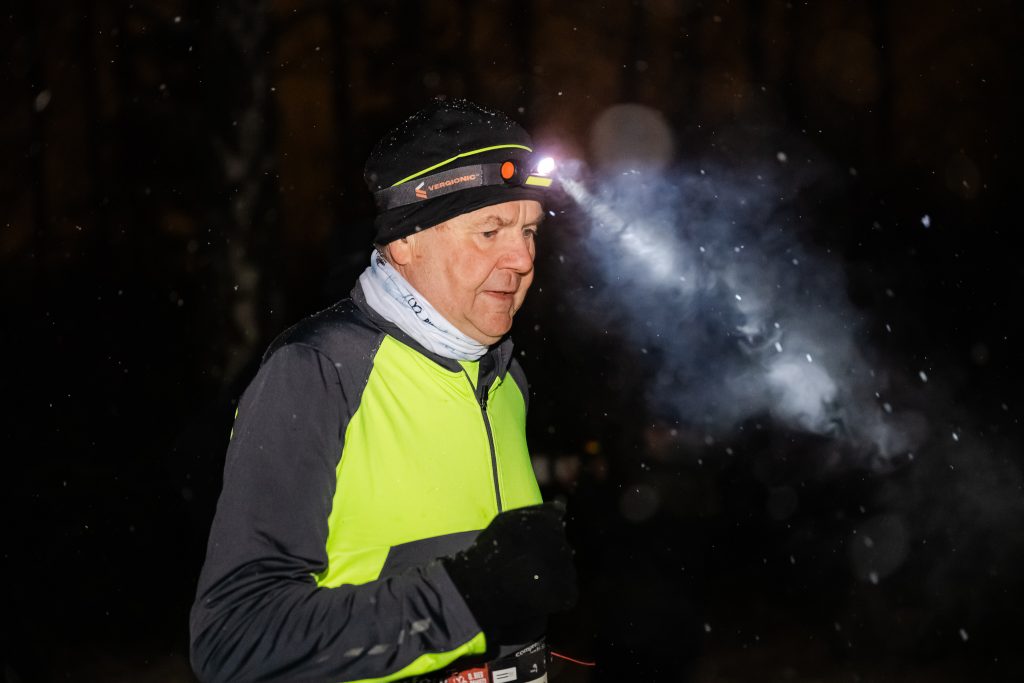
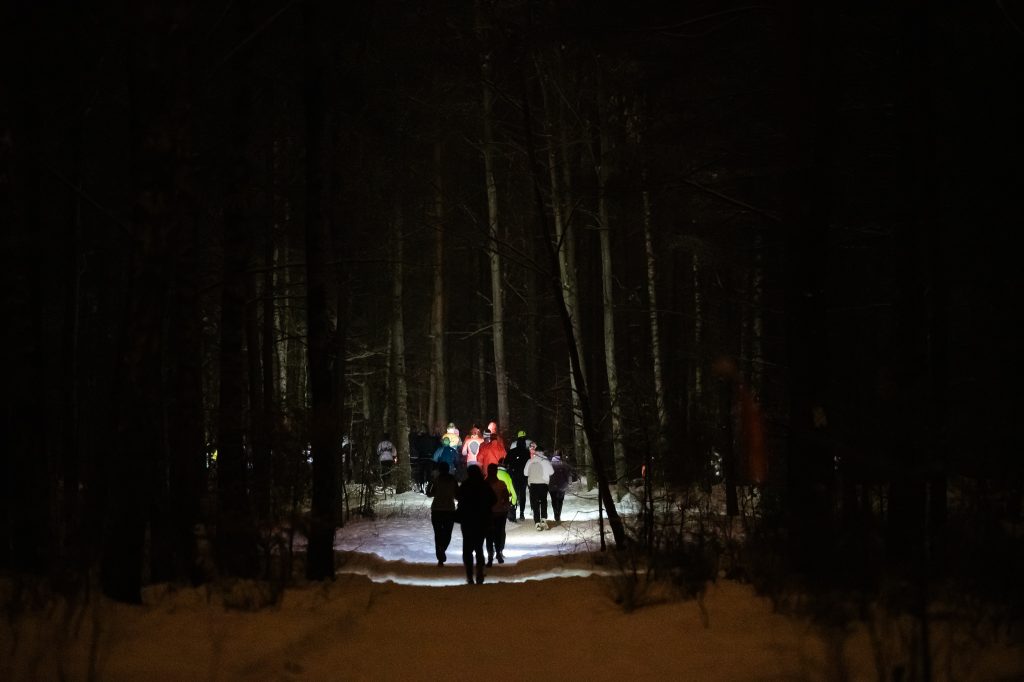
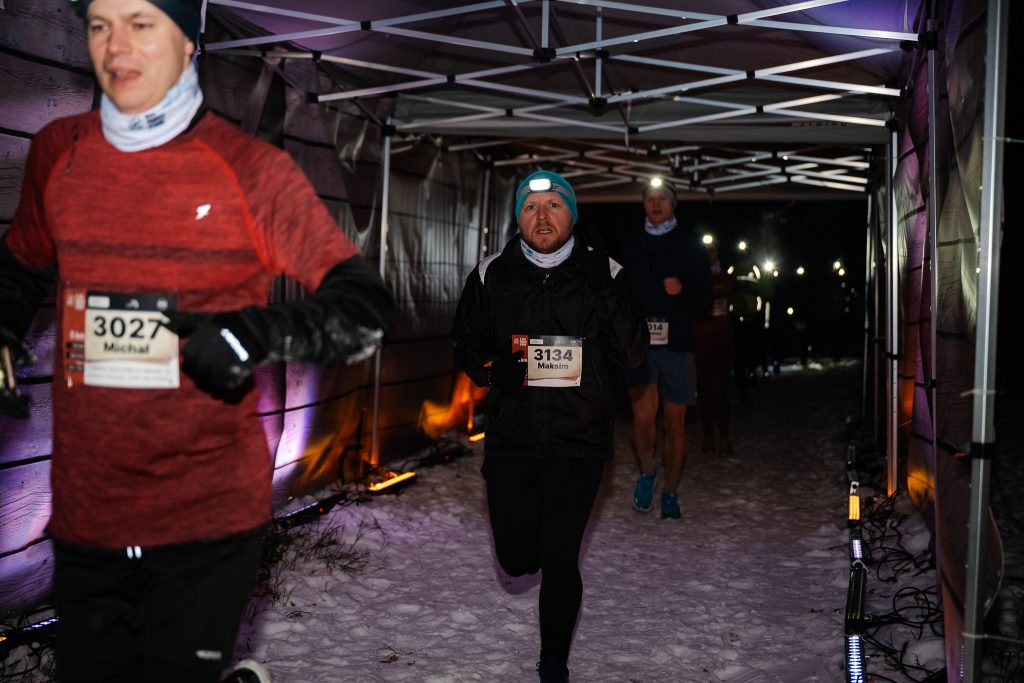
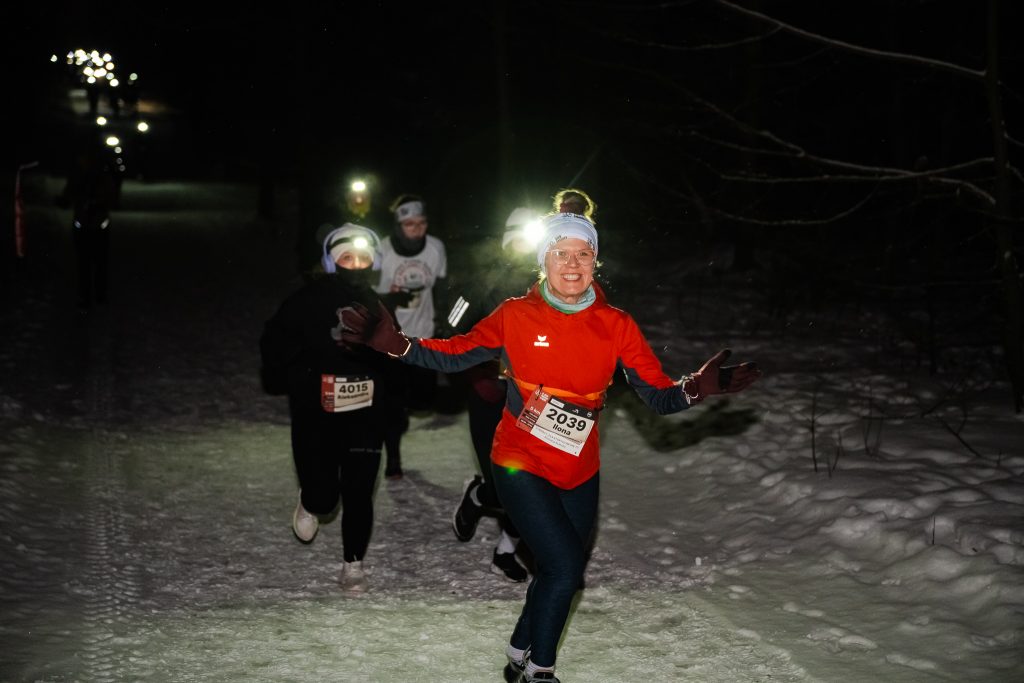
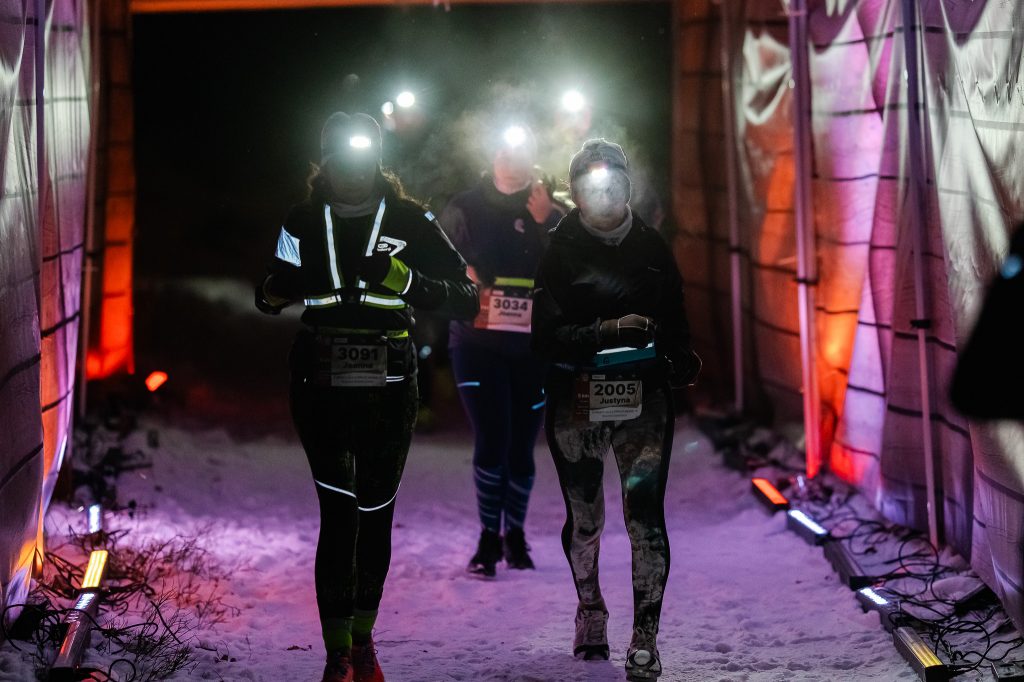
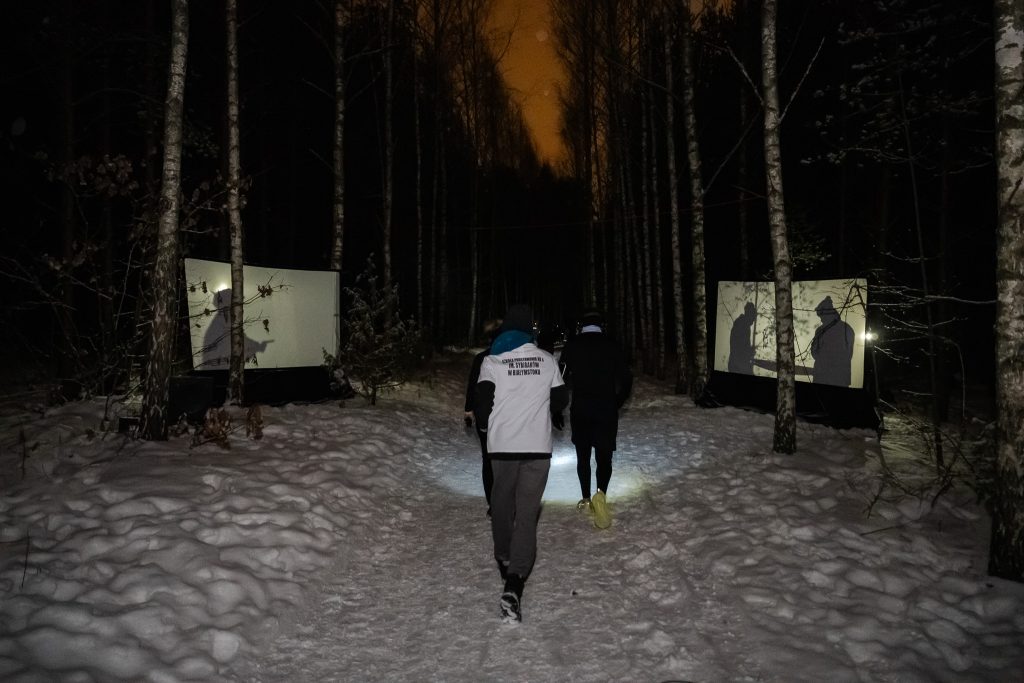
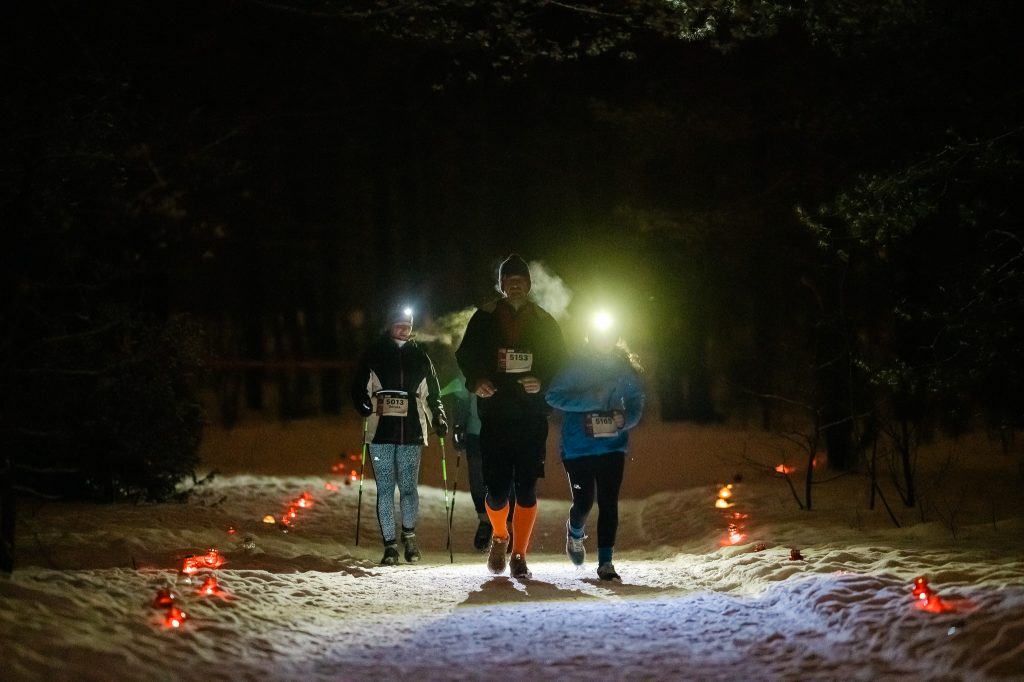
Many participants emphasized that it was the unique atmosphere of the run that encouraged them to take part.
“Above all, the conditions are different from typical daytime runs. The atmosphere is unique and the installations along the route are very meaningful,” said one participant.
One of the top three female finishers added:
“This is the only race I take part in during winter. The atmosphere is truly special. The route is excellent, with impressive installations along the way. I expected the same as last year, but the experience was even better.”
For most participants, the Sybir Memorial Run is not only a sporting event, but above all a tribute to those who endured extreme hardship during deportation and exile.
“For me personally, this run is a tribute to the Sybiraks. I deeply admire their perseverance and strength in surviving such harsh conditions,” said one runner.
Each participant received a commemorative medal at the finish line. This year’s medal features a hair curler belonging to Amelia Sieczko. On the night of 9–10 February 1940, she was deported along with her husband Bernard and their six children. Although she never used it during exile in the far north, the object remained a symbol of normal life and hope. The family returned to Poland in March 1946. Mrs. Sieczko never used the curler again. It became a precious family keepsake and is now part of the permanent exhibition at the Sybir Memorial Museum.
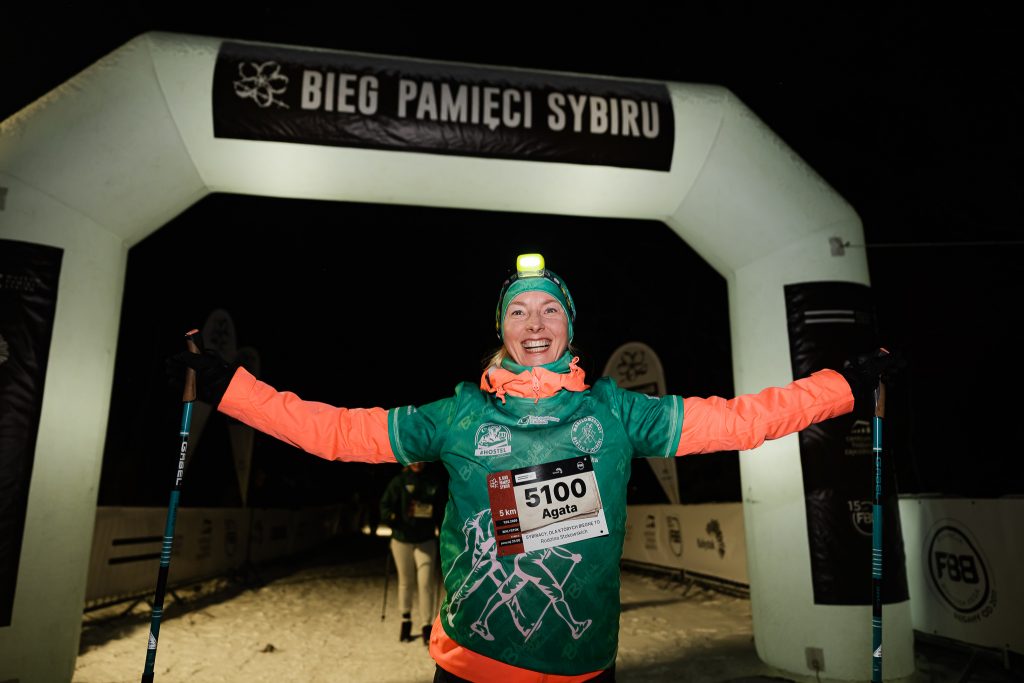
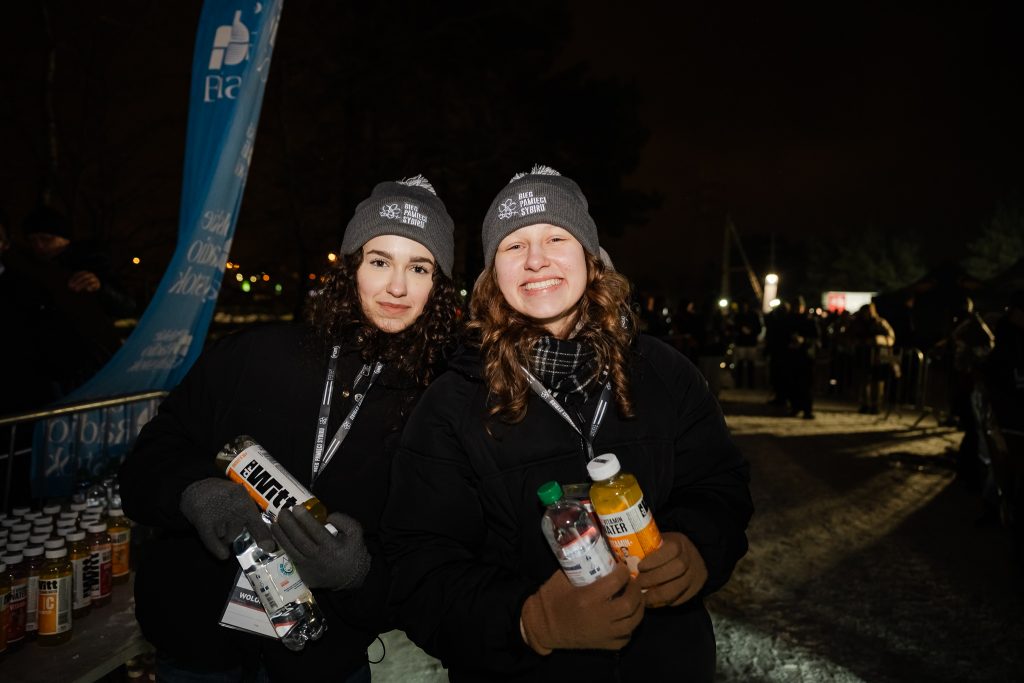
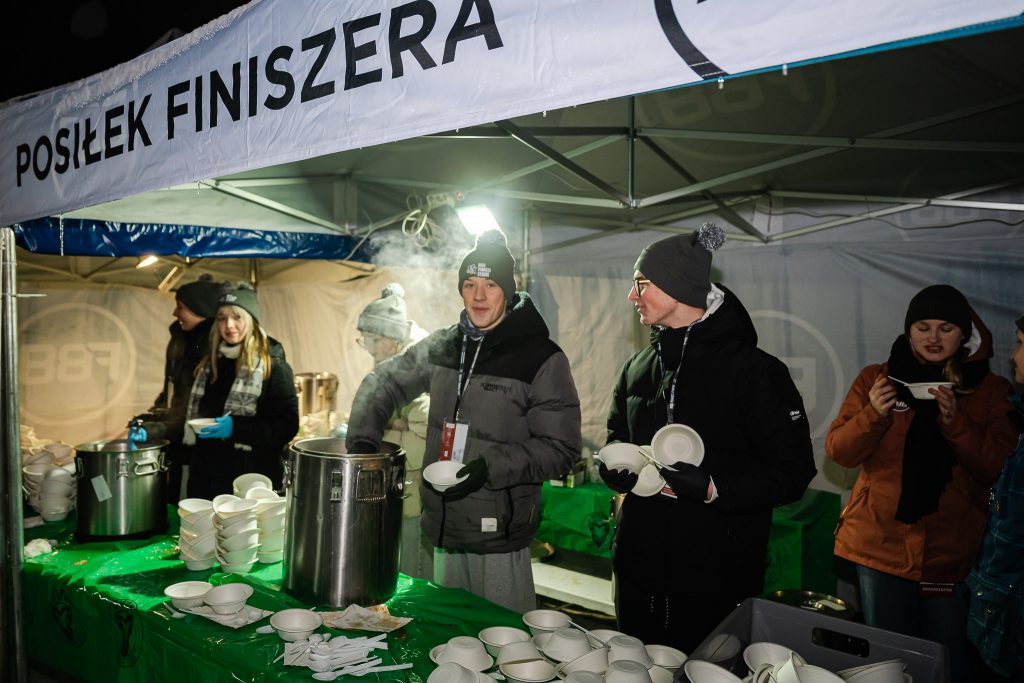
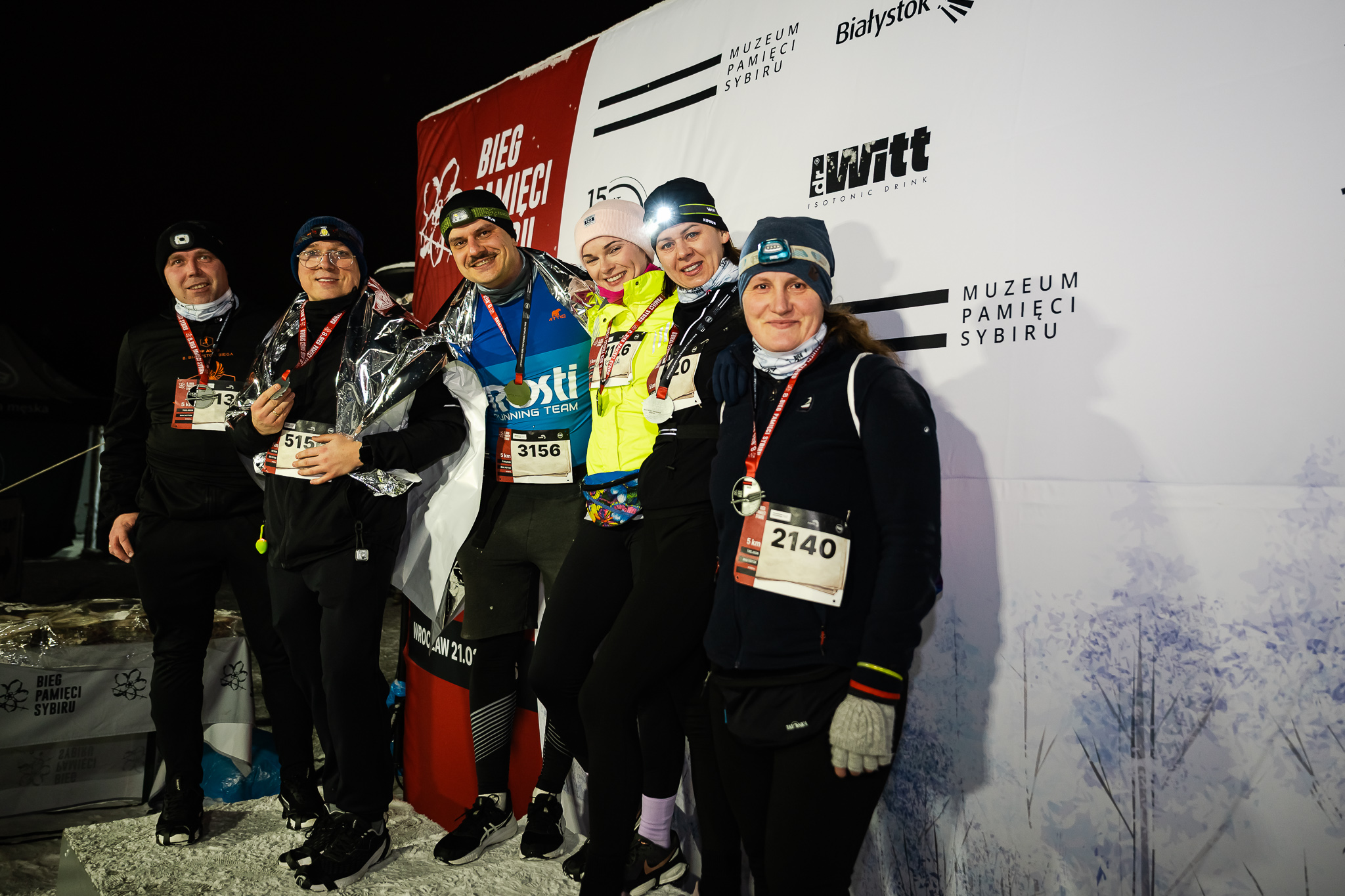
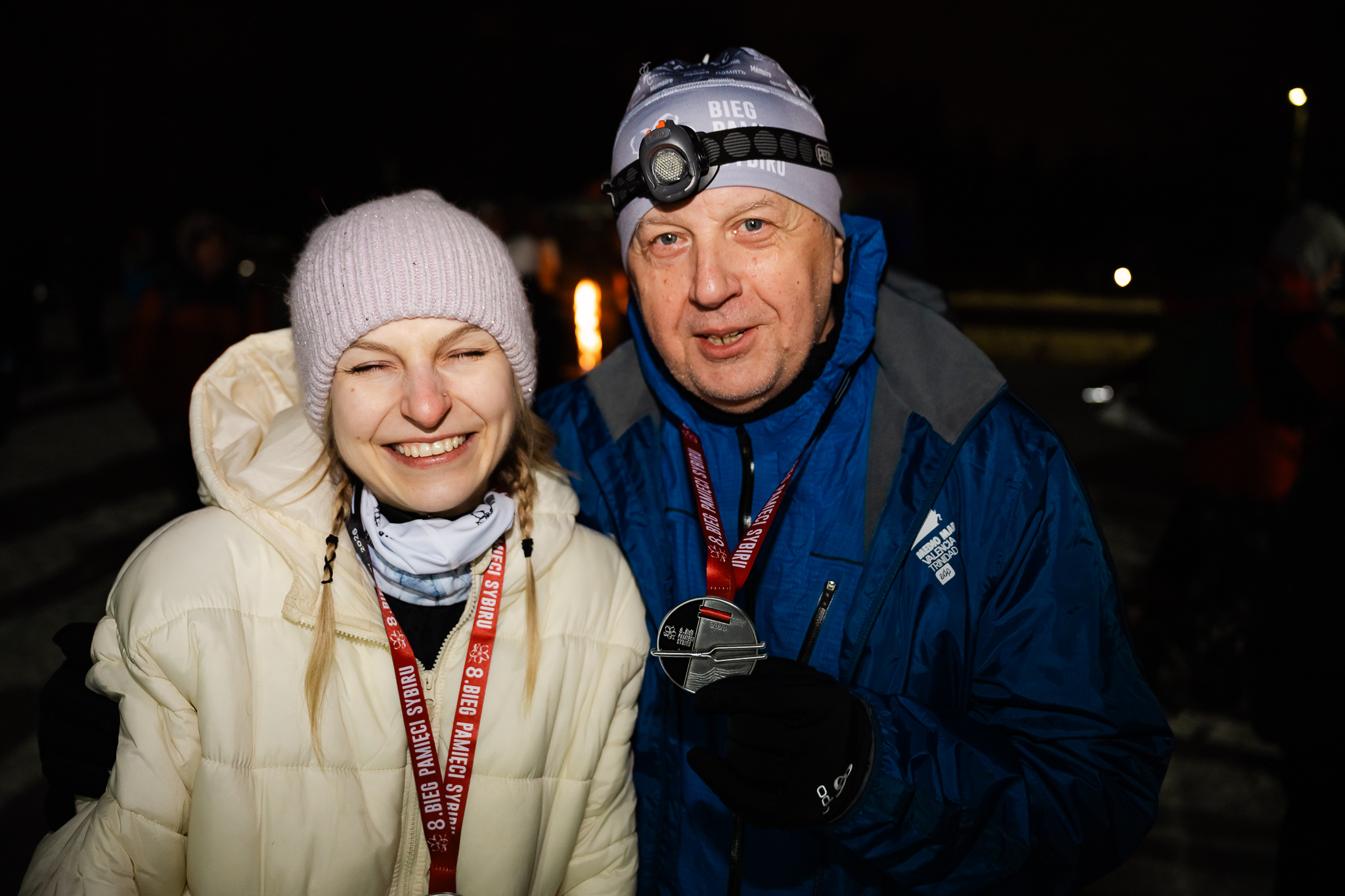
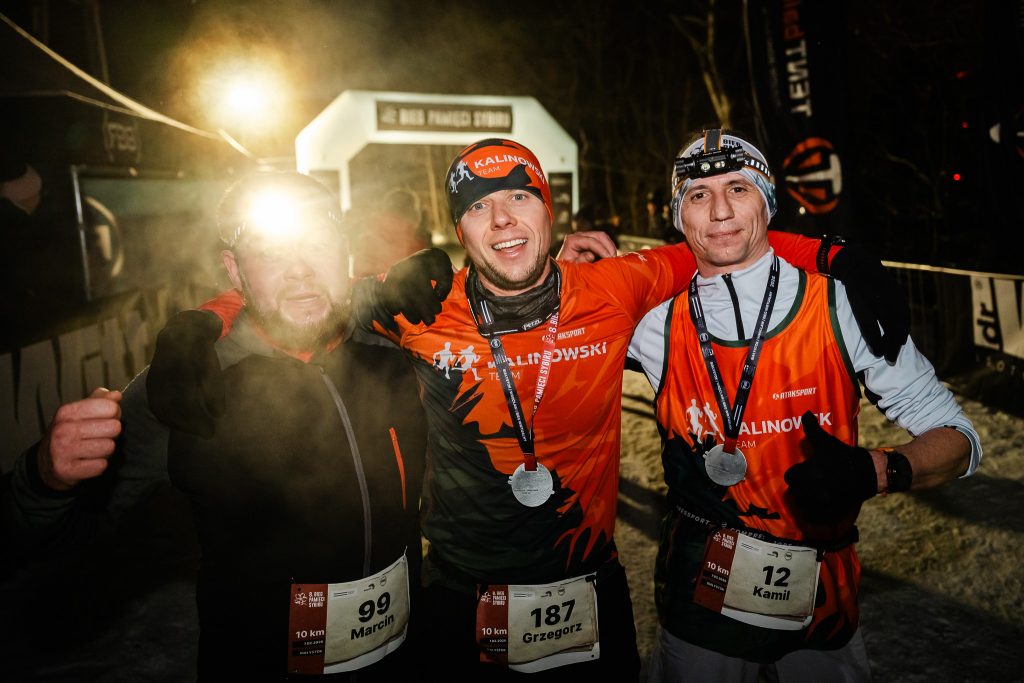
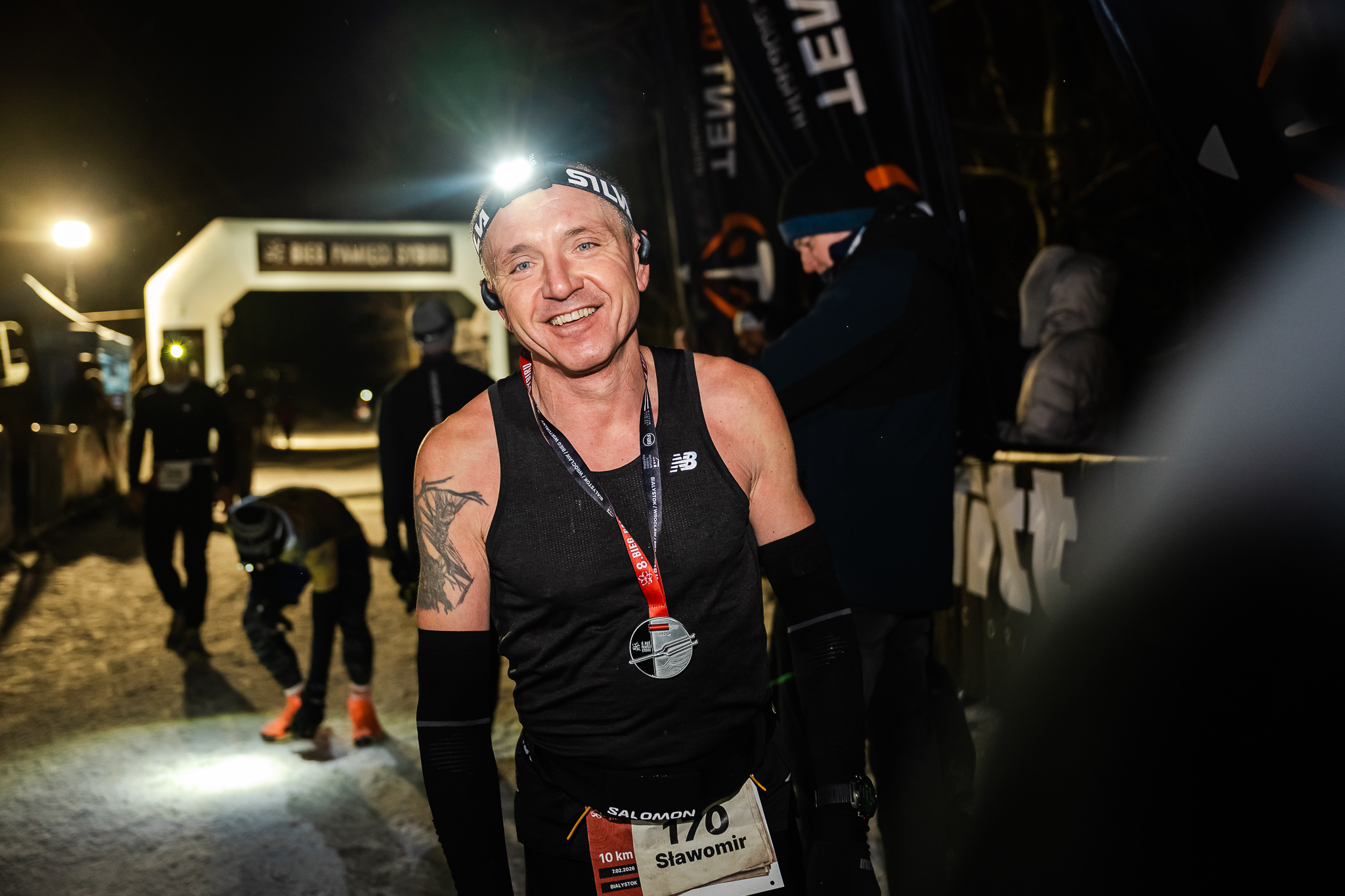
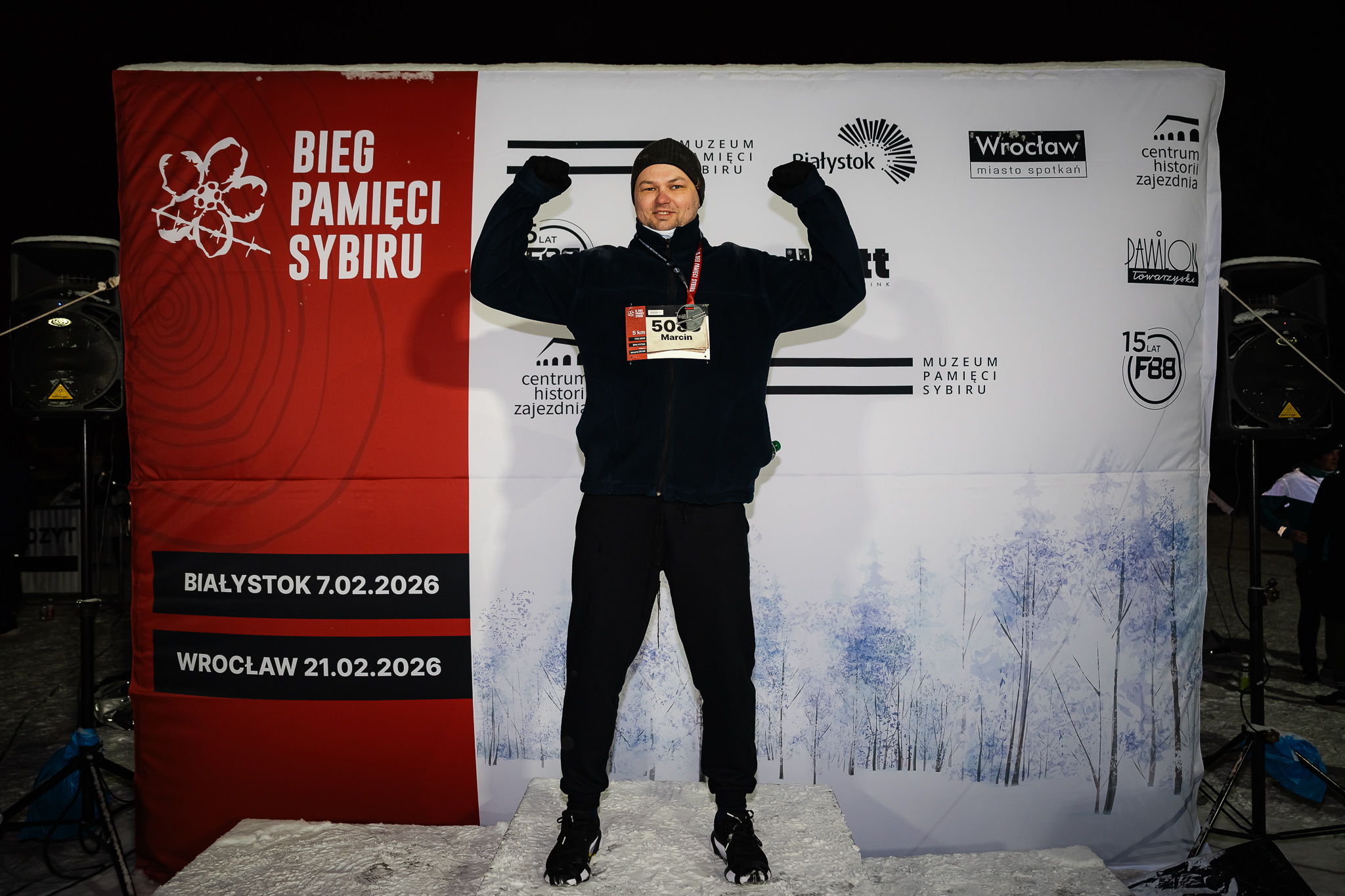
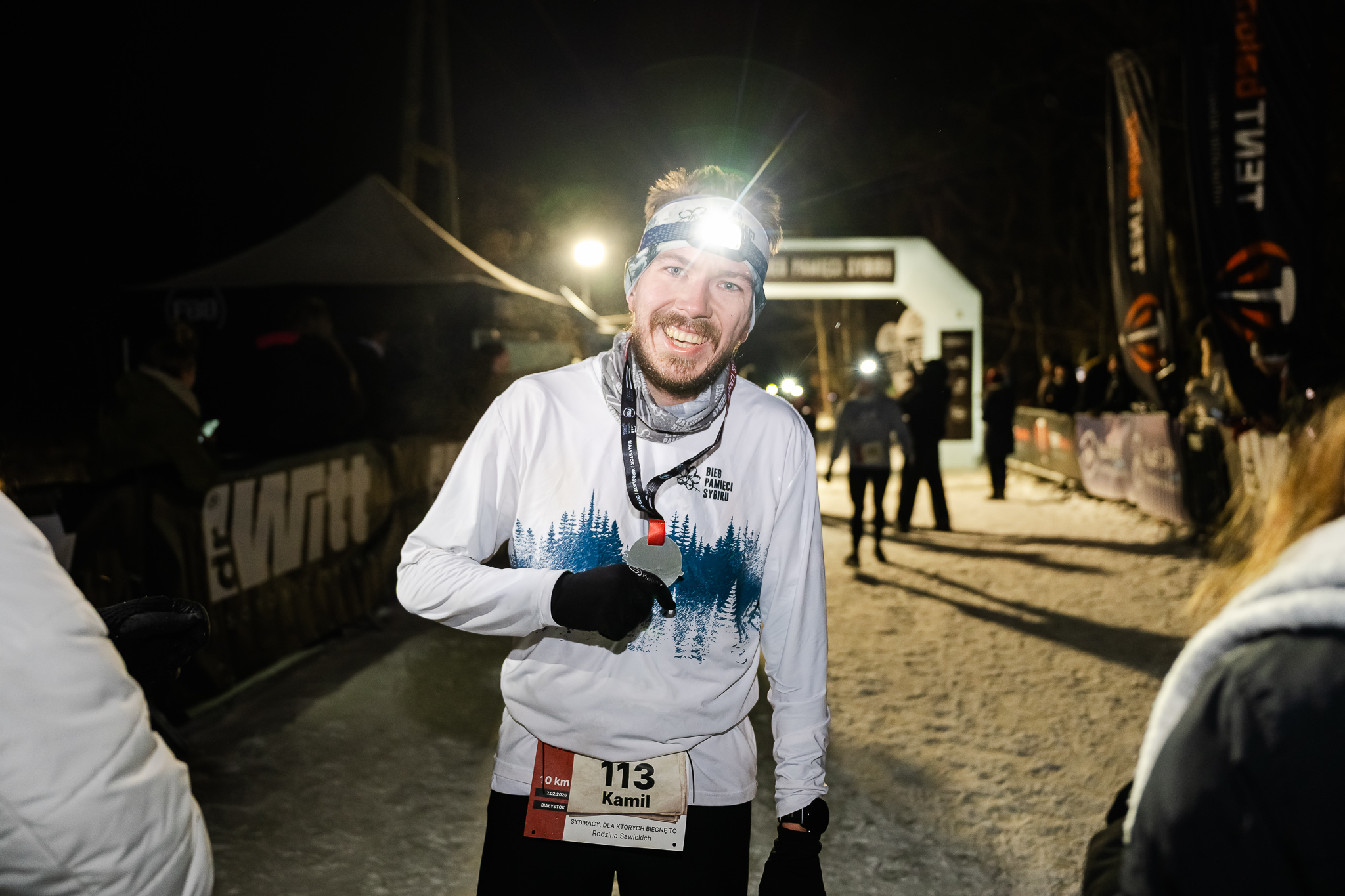
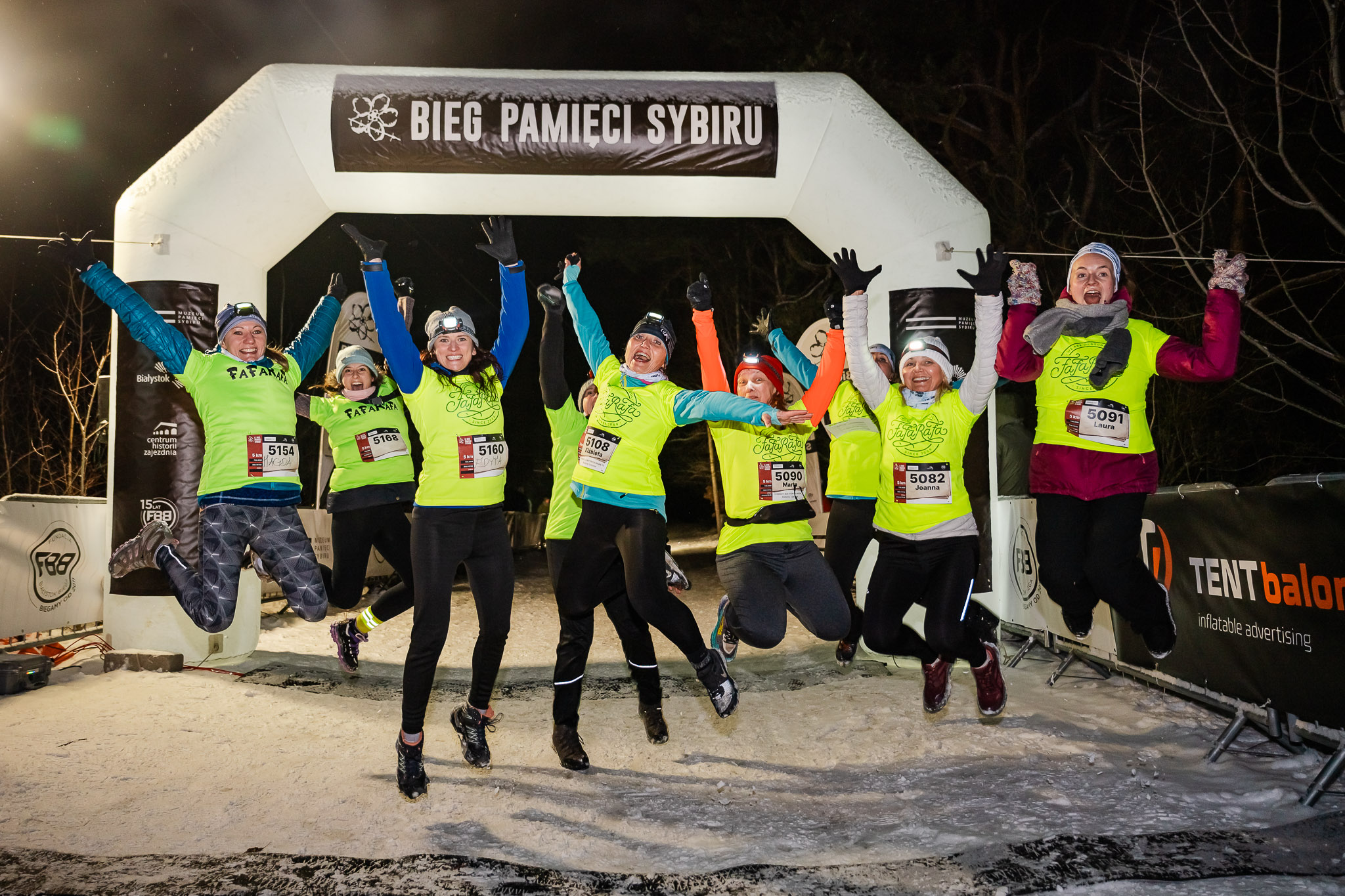
Participants also had the opportunity to engrave their medal with their finishing time or a personal dedication. Despite the frosty evening, a warm and welcoming atmosphere prevailed. Participants were provided with hot tea, soup, and emergency blankets to help them recover after the run.
The next Sybir Memorial Run will take place in Wrocław on Saturday, 21 February, in the Osobowicki Forest. We also encourage everyone to participate in the virtual run, which continues until 28 February. The kilometres completed virtually contribute to the total distance covered collectively by all participants worldwide.