




As every year in February, the Sybir Memorial Museum invites you to join in joint commemoration of these events.
Detailed Programme of the “10.02 We Remember” Commemorations
7 February – Saturday
5:45 p.m. – 8th Sybir Memorial Run
Opening ceremony
Turczyński Forest, Białystok
8 February – Sunday
10:45 a.m. – “It Was Forty Degrees Below Zero”
Guided tour of the permanent exhibition
Tickets: PLN 35 – regular, PLN 30 – reduced
The Sybir Memorial Museum, 1 Węglowa Street, Białystok
9 February – Monday
7:00 p.m. – Fourth Siberian Ambient Salon
Tickets: PLN 35 – regular, PLN 30 – reduced
The Sybir Memorial Museum, 1 Węglowa Street, Białystok
10 February – Tuesday
12:00 p.m. – Official commemorative ceremony
marking the 86th anniversary of the first mass deportation of Polish citizens to Siberia
at the Monument–Grave of the Unknown Sybirak
at the Church of the Holy Spirit, 2 Sybiraków Street, Białystok
12:30 p.m. – Laying of flowers
at the Monument–Sign of Remembrance of the Polish Golgotha of the East
Romualda Traugutta Street, Białystok
1:00 p.m. – Laying of flowers
at the monument of the Sybirak Mother
square in front of the Sybir Memorial Museum
1 Węglowa Street, Białystok
5:00 p.m. – Light of Remembrance
Lighting of candles in memory of the victims of Soviet deportations
railway tracks in front of the Sybir Memorial Museum, 1 Węglowa Street, Białystok
21 February – Saturday
5:45 p.m. – 8th Sybir Memorial Run
Opening ceremony
Osobowicki Forest, Wrocław
7–28 February
Virtual edition of the Sybir Memorial Run
Run anywhere in the world – minimum distance: 5 km (at one time)
Registration: biegpamiecisybiru.pl
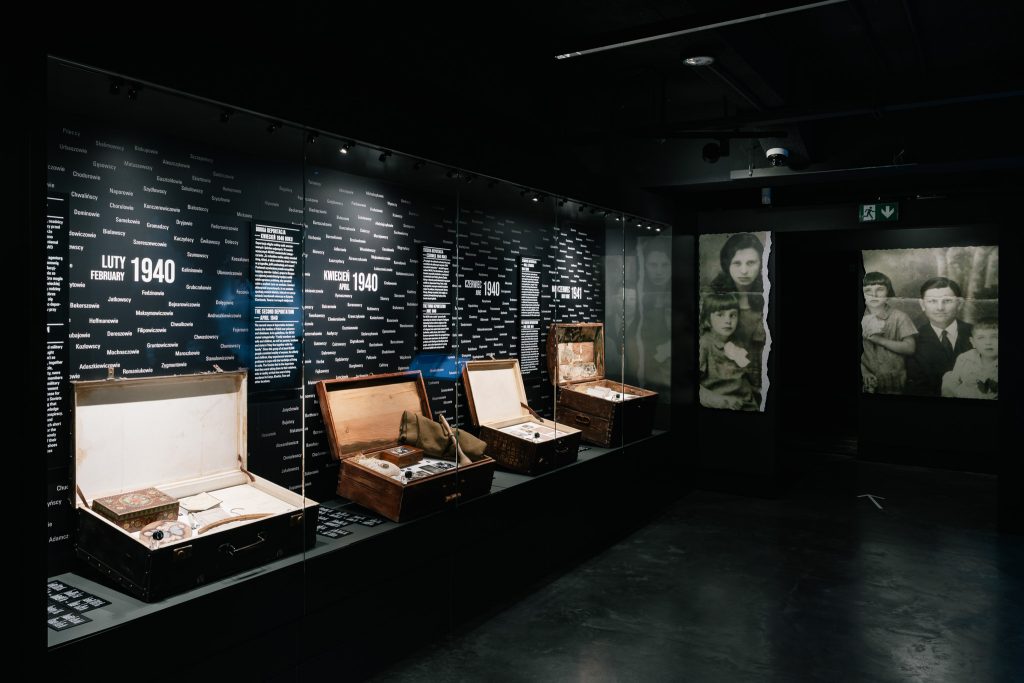
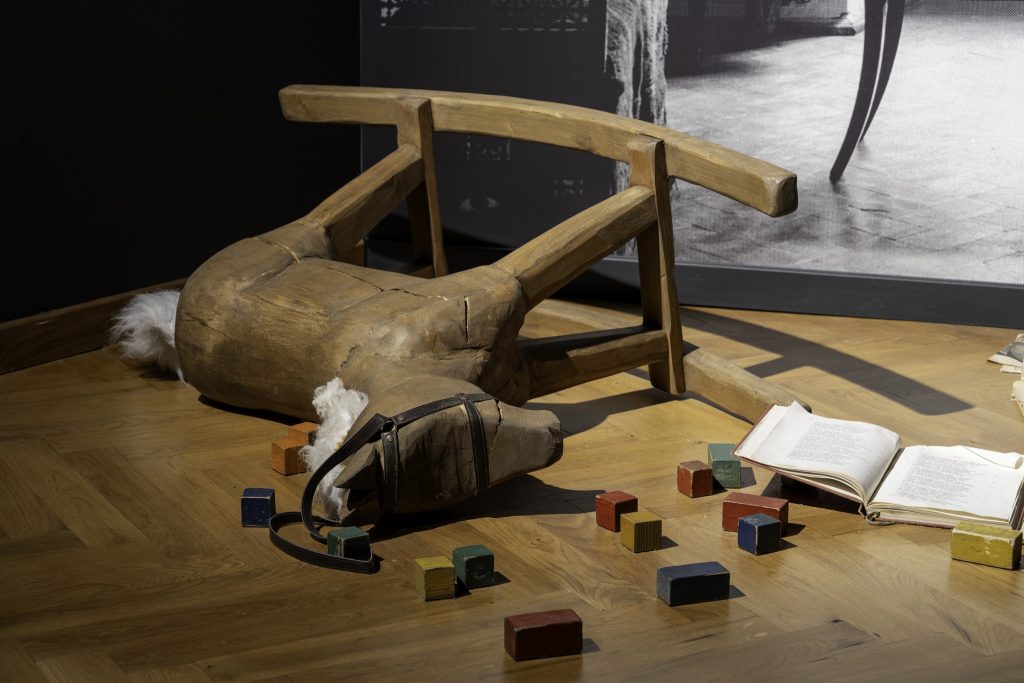
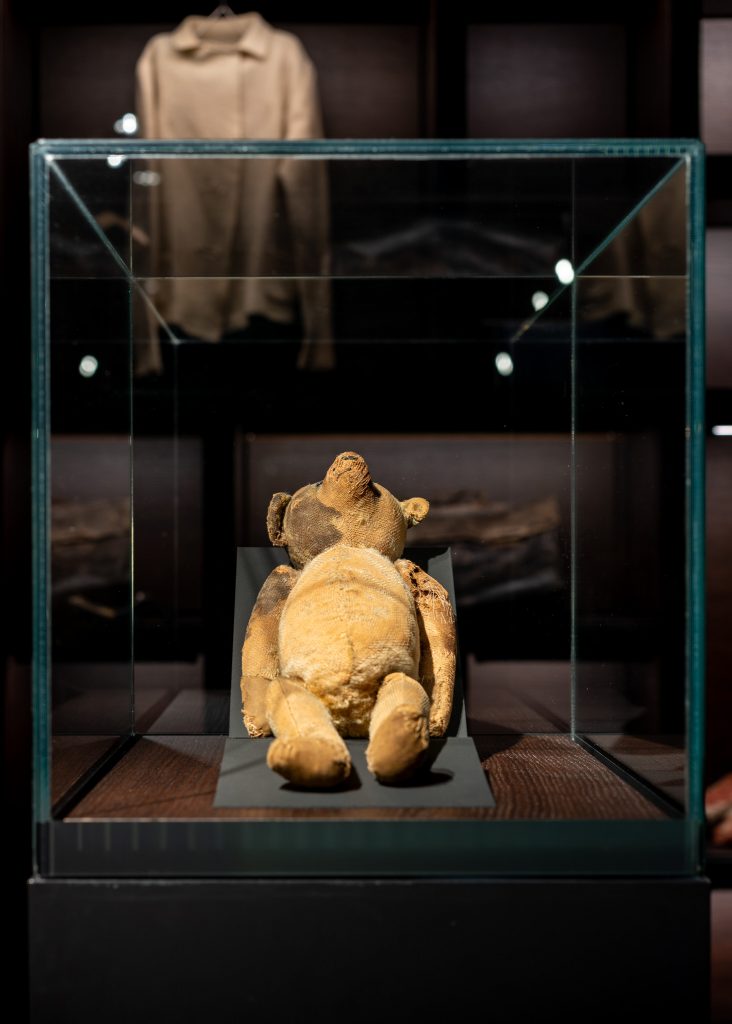
Eighty-six years ago, in February 1940, the Soviet authorities carried out the first of four large-scale deportations of the civilian population from the occupied Polish territories.
Between 1940 and 1941, at least 330,000 citizens of the Second Polish Republic were deported in freight wagons, with almost no food or water. The deportees included primarily Poles, but also Jews, Belarusians and Ukrainians. They were resettled mainly in Siberia, Kazakhstan, and the northern regions of the European part of the Soviet Union.
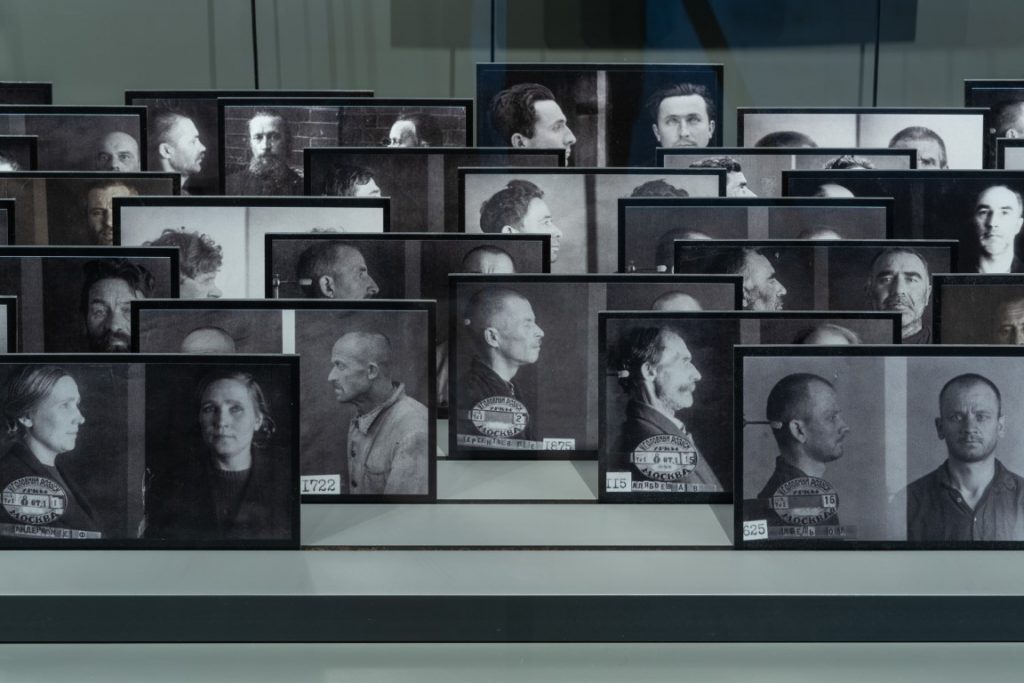
10 February marks the anniversary of the first mass deportation.
Its tragic nature lay in the complete surprise of the victims, who had no chance to prepare in such a short time for a journey that condemned many of them to death. Those deported were primarily military settlers—veterans rewarded with land for their service—as well as civilian settlers who had purchased land in the eastern regions of the country. Employees of the forestry service, together with their families, were also subjected to deportation.
The deportations took place in extremely harsh conditions, with temperatures exceeding –30 degrees Celsius. More than 140,000 people were deported, almost exclusively of Polish nationality. The NKVD reported:
“The members of the ‘Association of Settlers’ were a military and police agency of the Polish government and should be considered a serious base for counter-revolutionary activities.”
Foresters were perceived as a particular threat due to their excellent knowledge of the terrain, which could be used by emerging anti-Soviet partisan movements.
Families, shocked by the sudden deportation orders, were unable to prepare adequately for a weeks-long journey in inhumane conditions—without warm clothing, proper footwear, or basic means of subsistence.