



The Memorial Peloton is held every year in reference to the events of August 23, 1939, when Germany and the Soviet Union signed the Molotov-Ribbentrop Pact, known as the non-aggression pact, in which they divided Central and Eastern Europe into spheres of influence for both totalitarian regimes. The Director of the Sybir Memorial Museum in Białystok, Prof. Wojciech Śleszyński, emphasised that the date of this pact has a symbolic significance, as it was the date that started the tragedy of World War II and the repression of citizens of many nations.
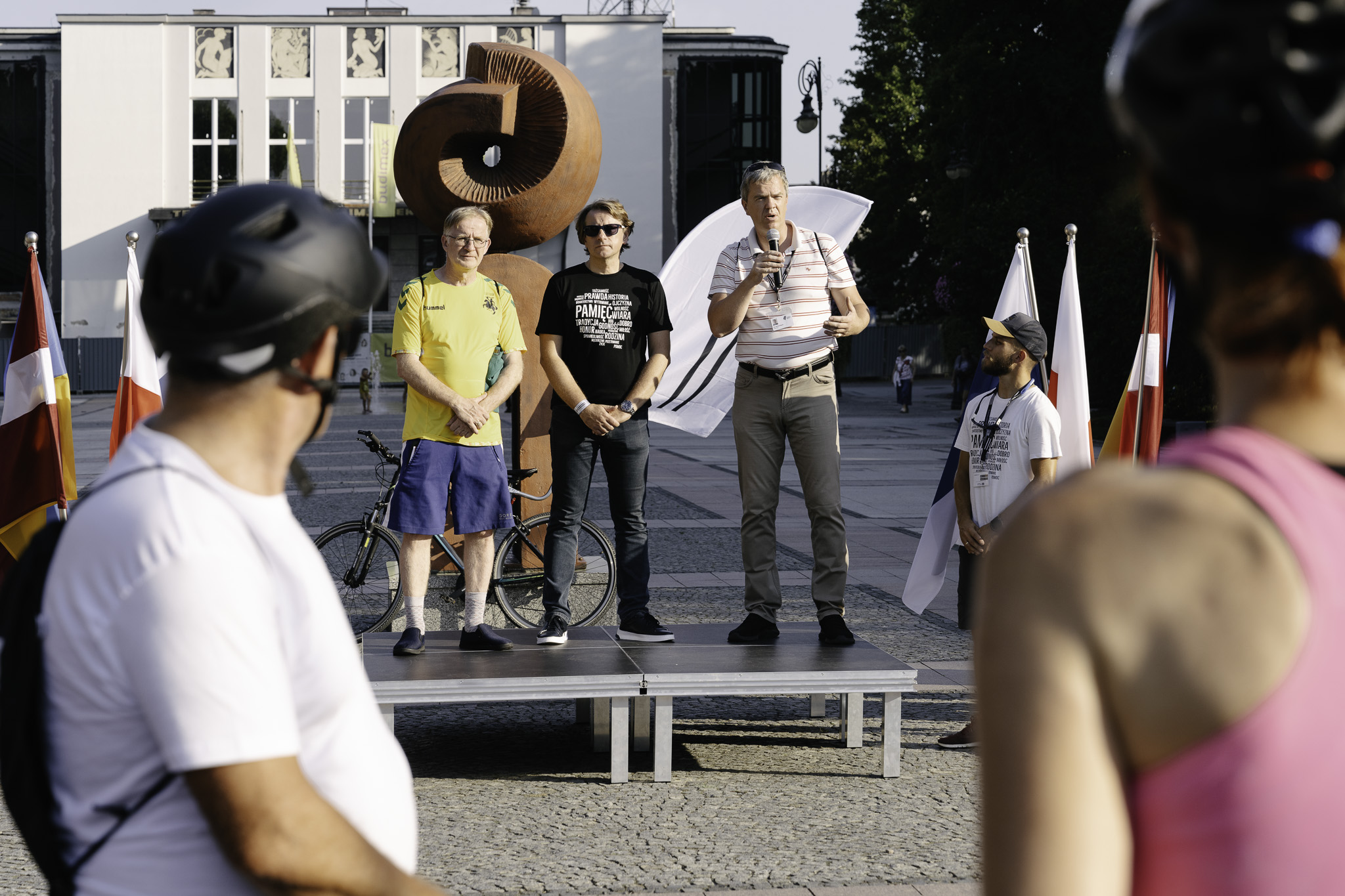
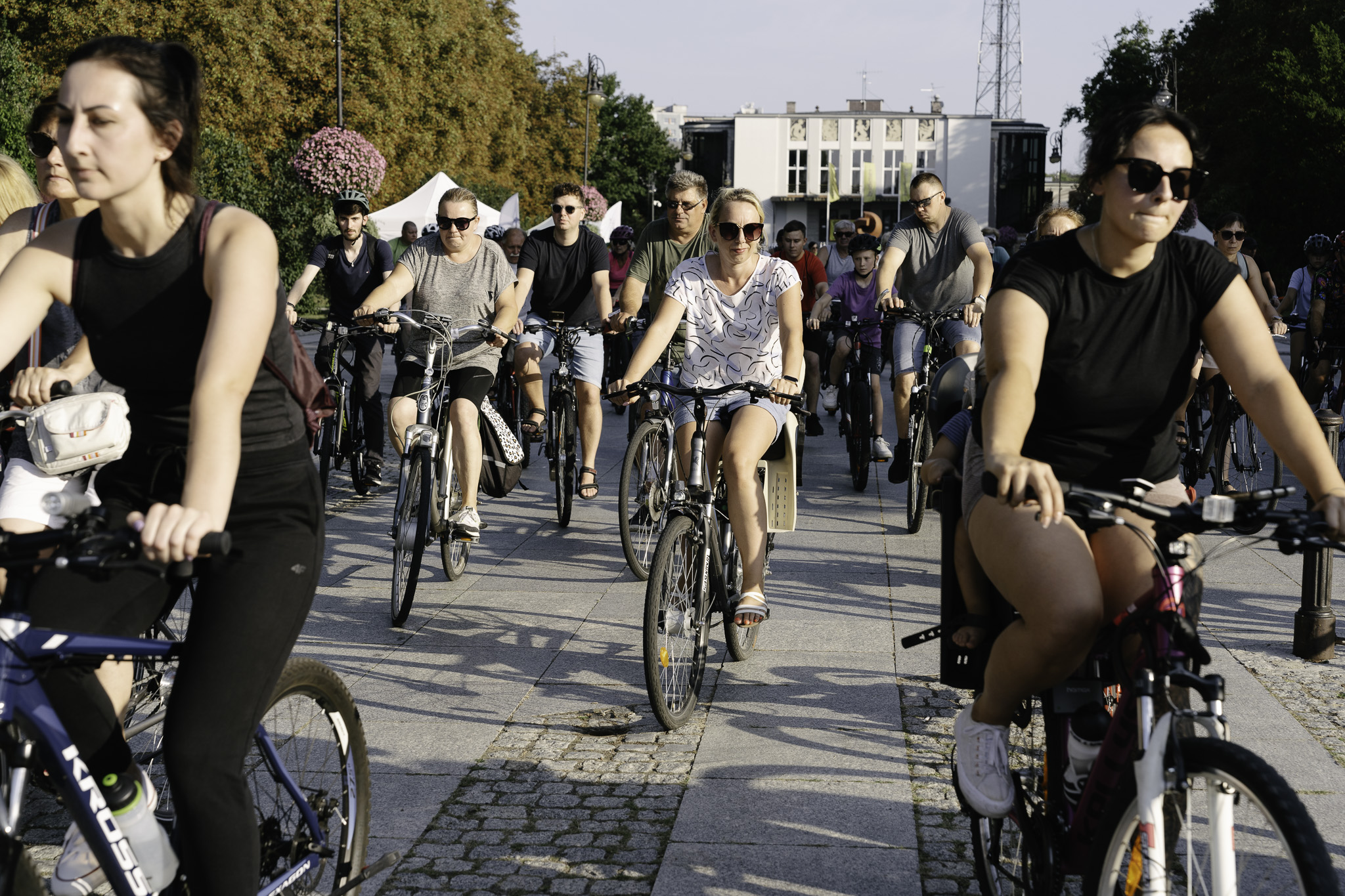
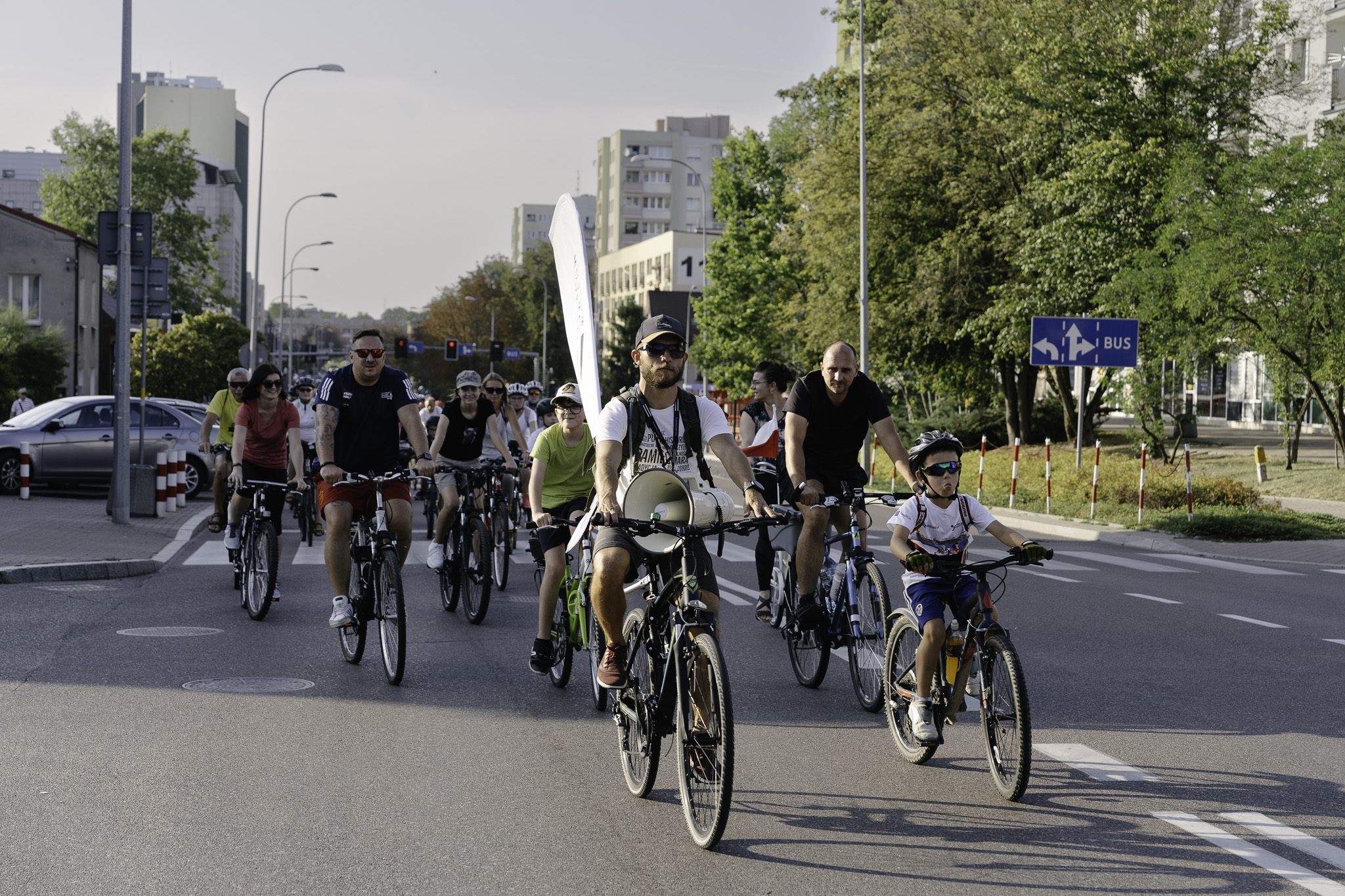
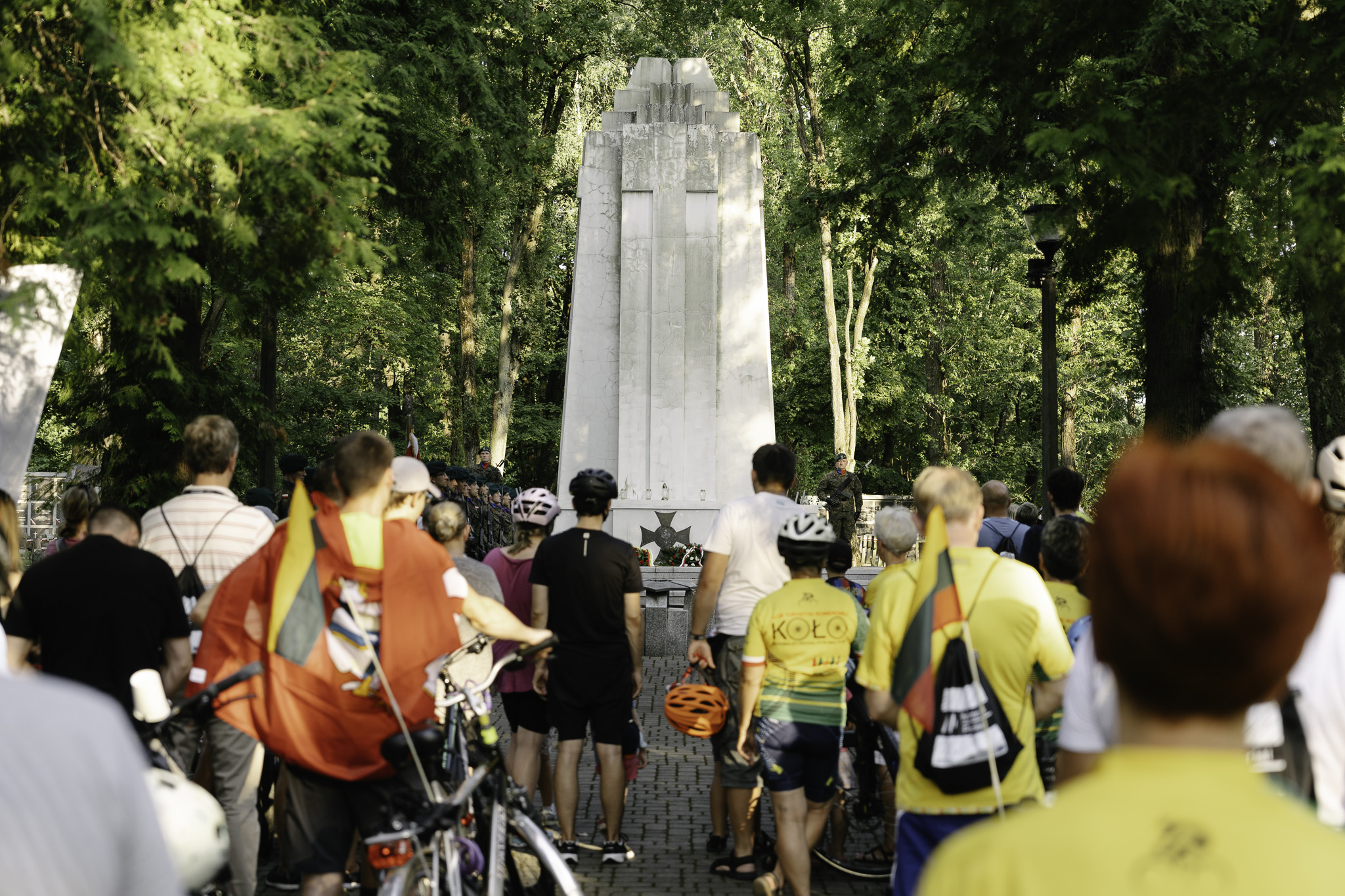
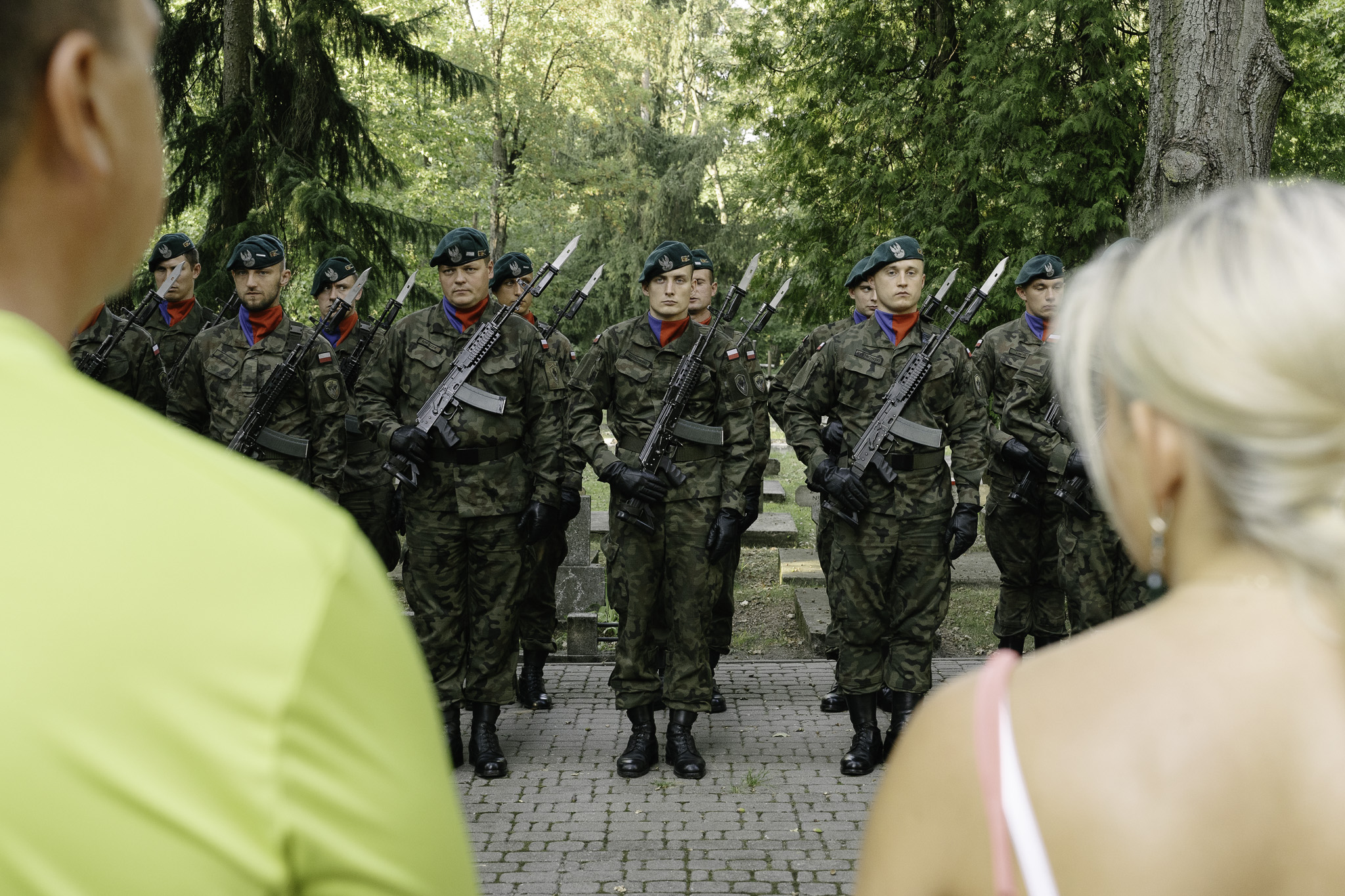
This is also recalled by the Memorial Peloton, which started on August 25 at 5 p.m. from the Aleksander Węgierko Drama Theatre in Białystok. The participants, escorted by police, drove along Legionowa, Skłodowska and 11 Listopada streets, where the first stop was organized at the Military Cemetery. The event from November 1939 was recalled in that particualar place. It was when the city’s residents wanted to celebrate Poland’s Independence Day – then illegal – at a patriotic demonstration. The city was then under Soviet occupation. “We want to commemorate this resistance not military, but just civilian. This is very important, because this is the resistance of the city’s residents, not just soldiers,” said Piotr Popławski, PhD, coordinator of the event. The 1939 defenders of Bialystok are also buried in this cemetery. The 18th Białystok Reconnaissance Regiment was present and performed a memorial roll call and gave a salute of honor.
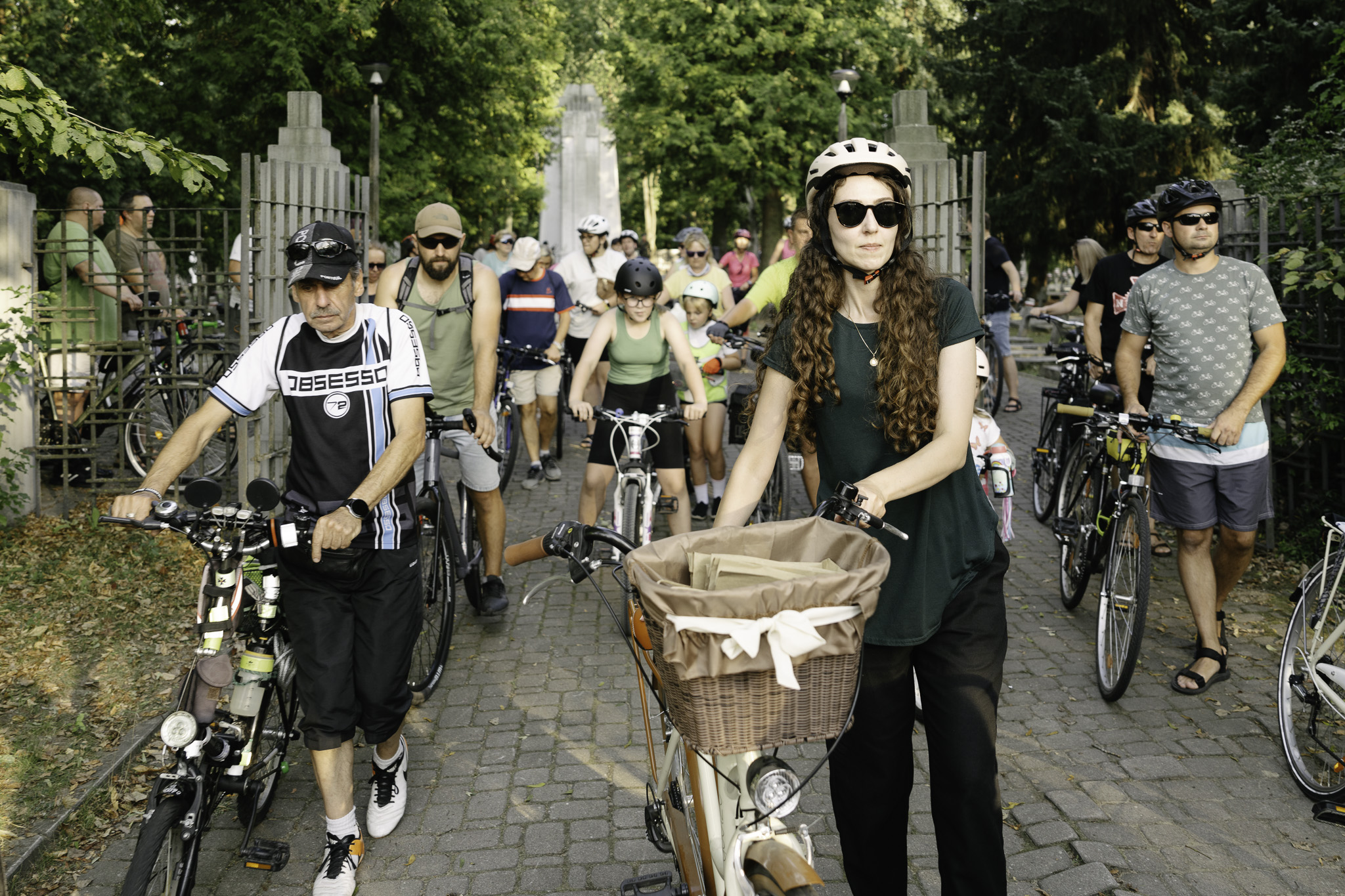
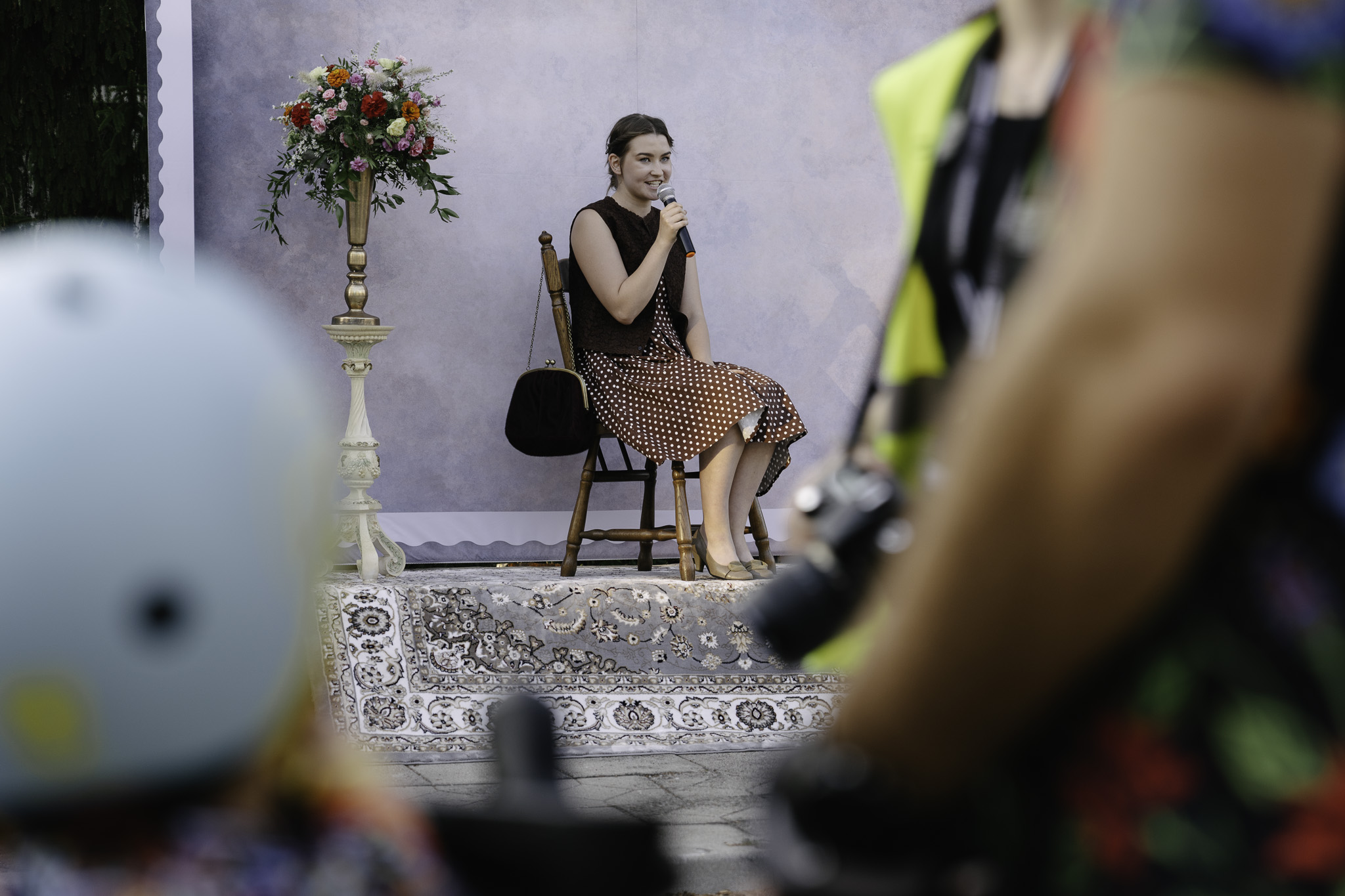
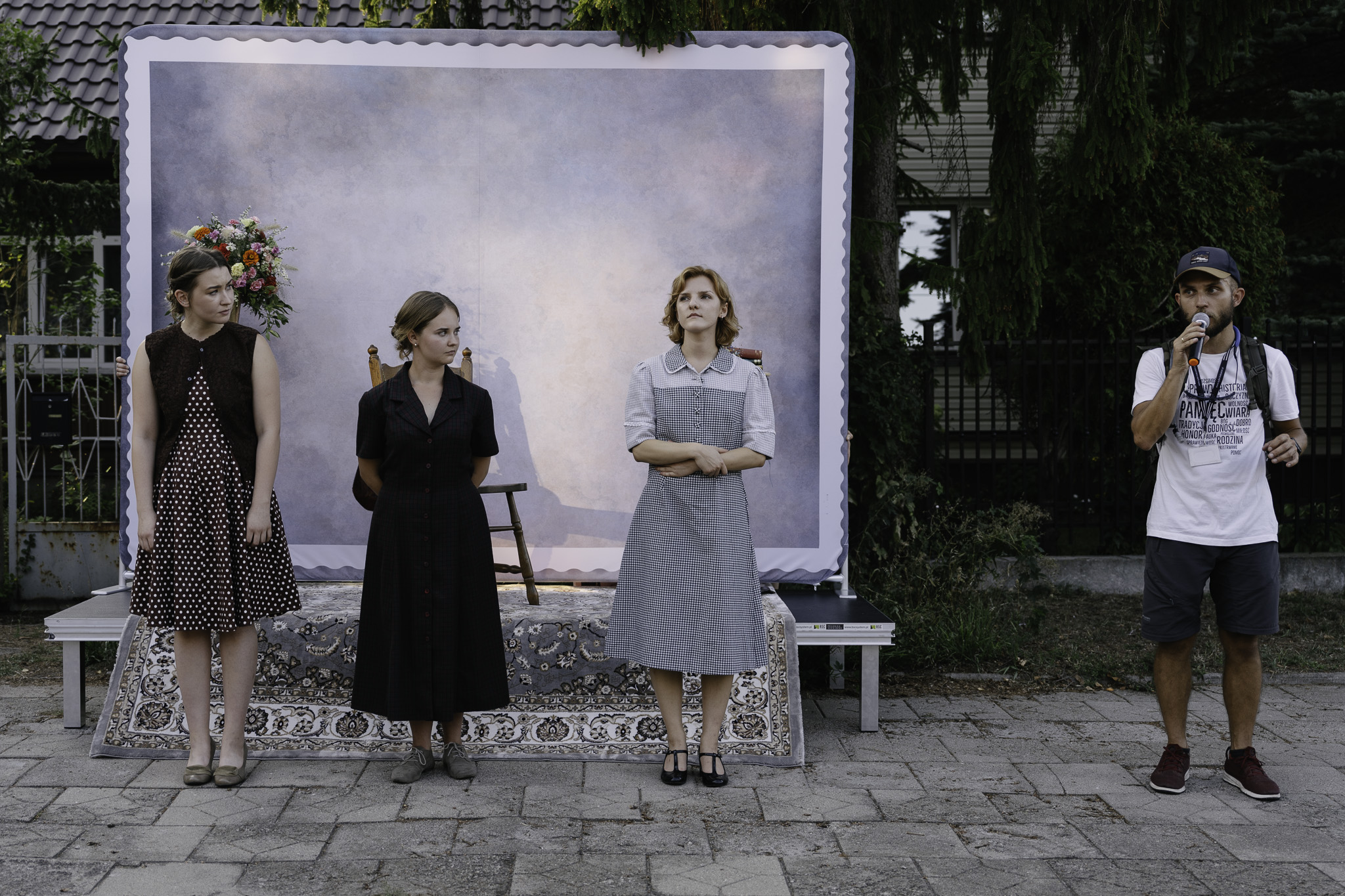
The peloton then head off towards 9 Jagiellońska Street, the second point on the route. The address was not accidental, as a Polish family was deported from the house located there. Participants in the ride could watch a short enactment in which three actresses from the Białystok Theater Academy played the roles of women deported to Siberia. Each of them presented the story of her family, allowing the audience to feel and experience the emotions that accompanied the deportations.
Mrs. Sylwia, one of the participants, a mother of two children with whom she participated in the peloton, told about her impressions after watching the enactment: “The two heroines, like me, also had two children. This form of conveying the story gives food for thought. It makes you understand that these were people just like us. It could have happened to anyone.”

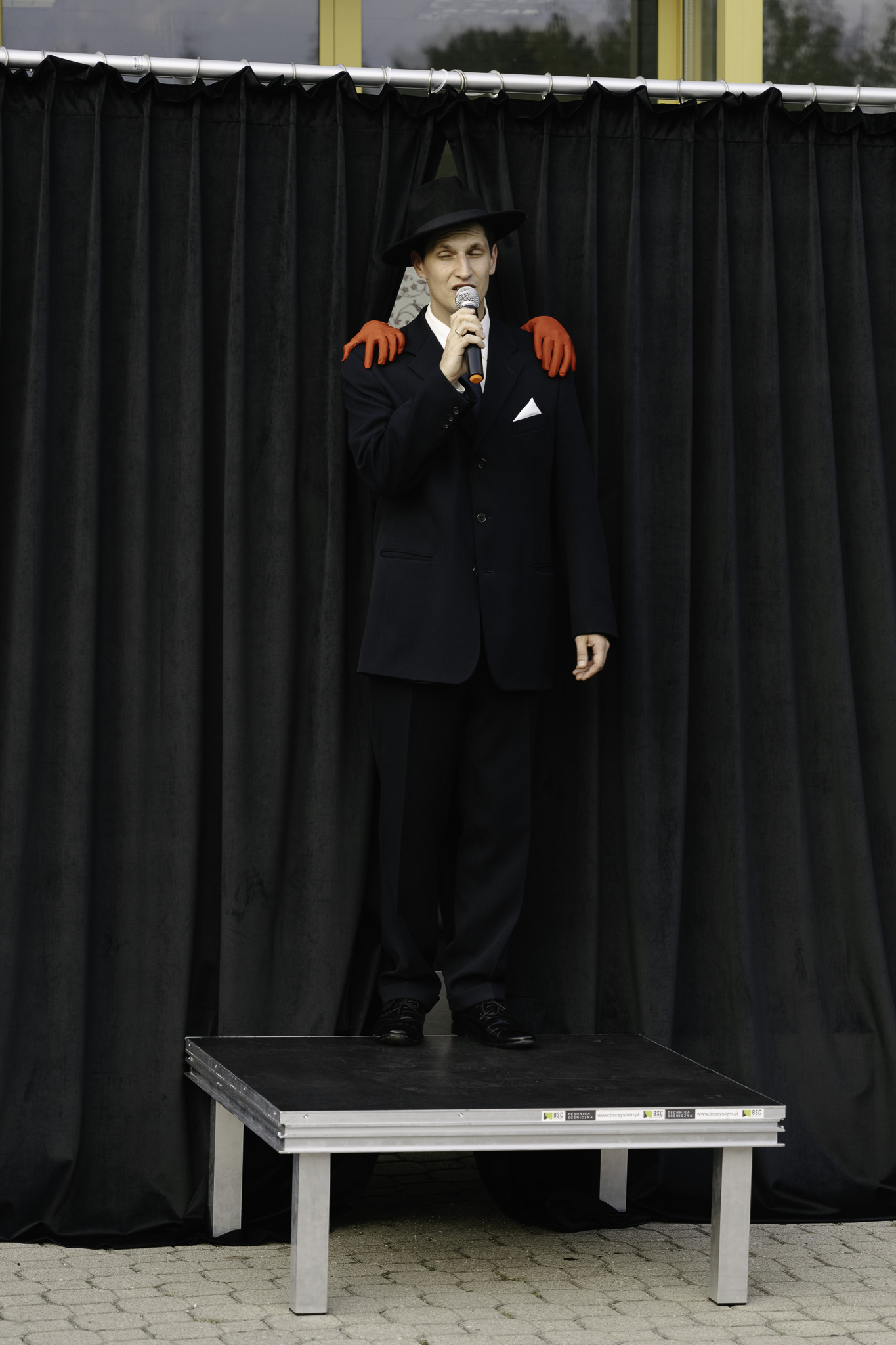
The third point of the ride was at the crossroads of Warszawska and Pałacowa Streets, where Bolesław Szymański, the first moyor of the city of Białystok, elected by the city council in September 1919, lived in a town house at 27 Warszawska Street. This time, four actors from the Białystok Drama Theater and the Bialystok Puppet Theaterawaited the participants of the peloton, who took turns playing the roles of important politicians of the time, including the aforementioned Boleslaw Szymanski and Seweryn Nowakowski, the last pre-war mayor of the city who was arrested in October 1939. After the Soviet army entered, each of them met a similar tragic fate.

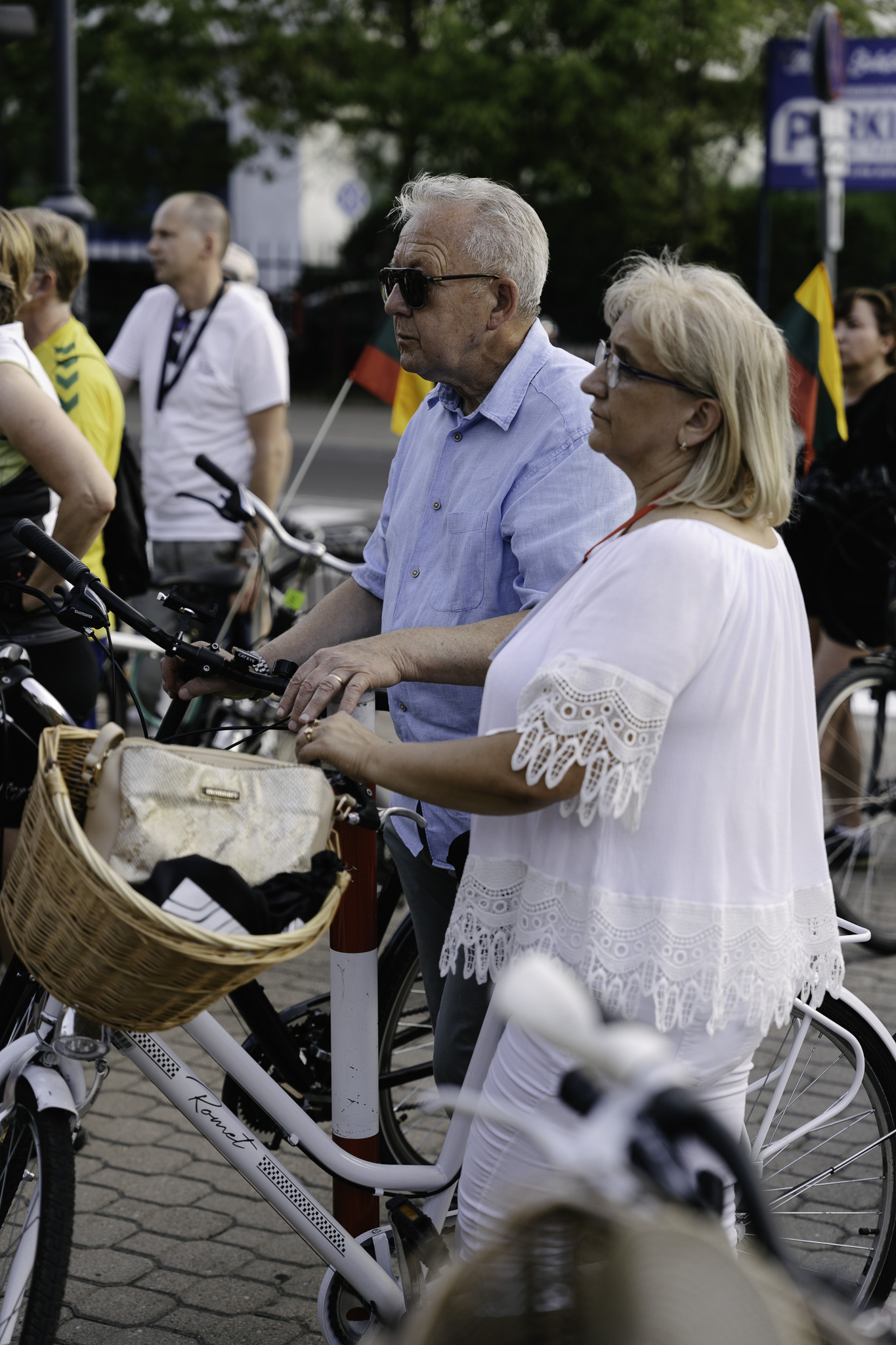
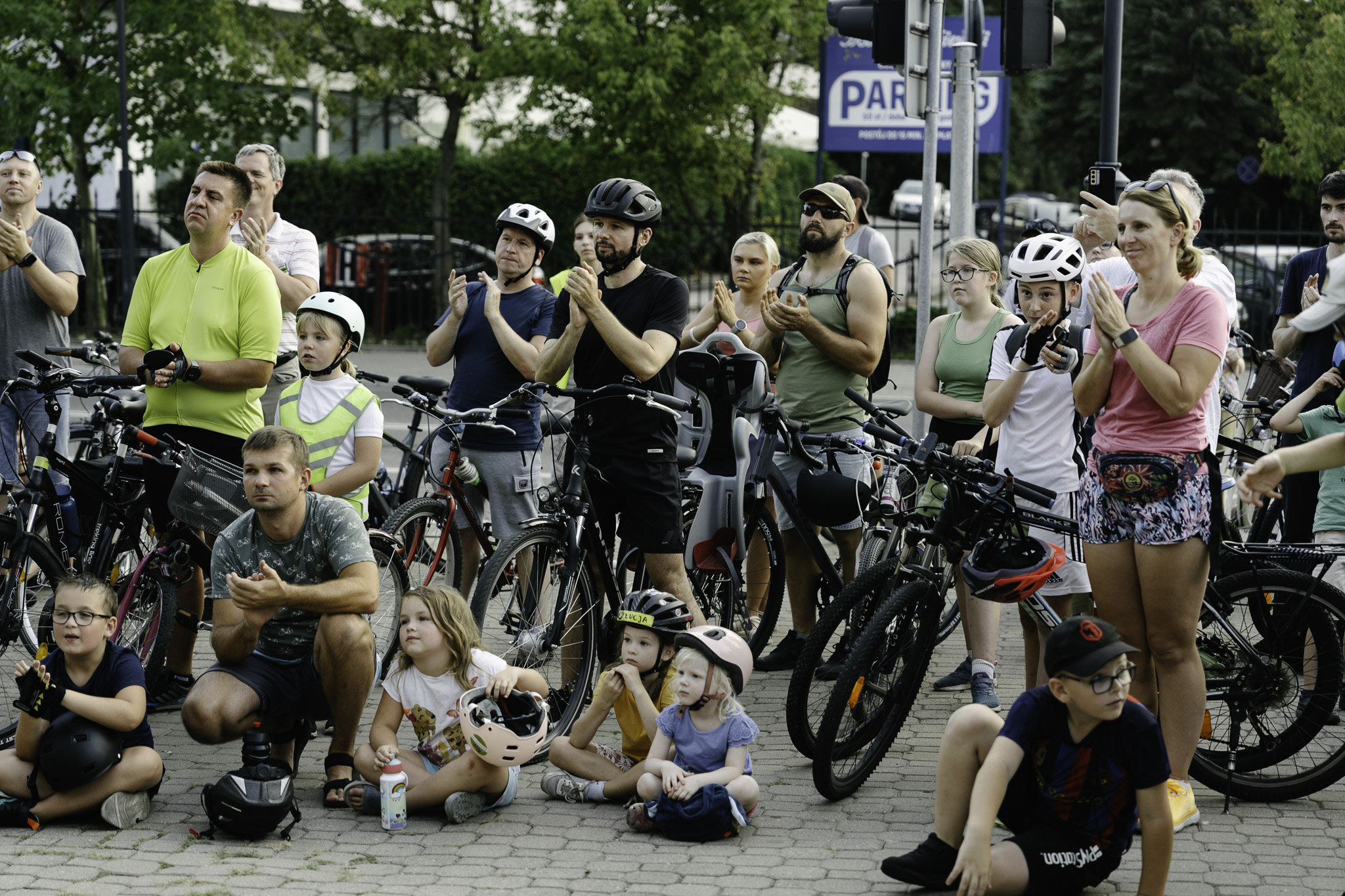
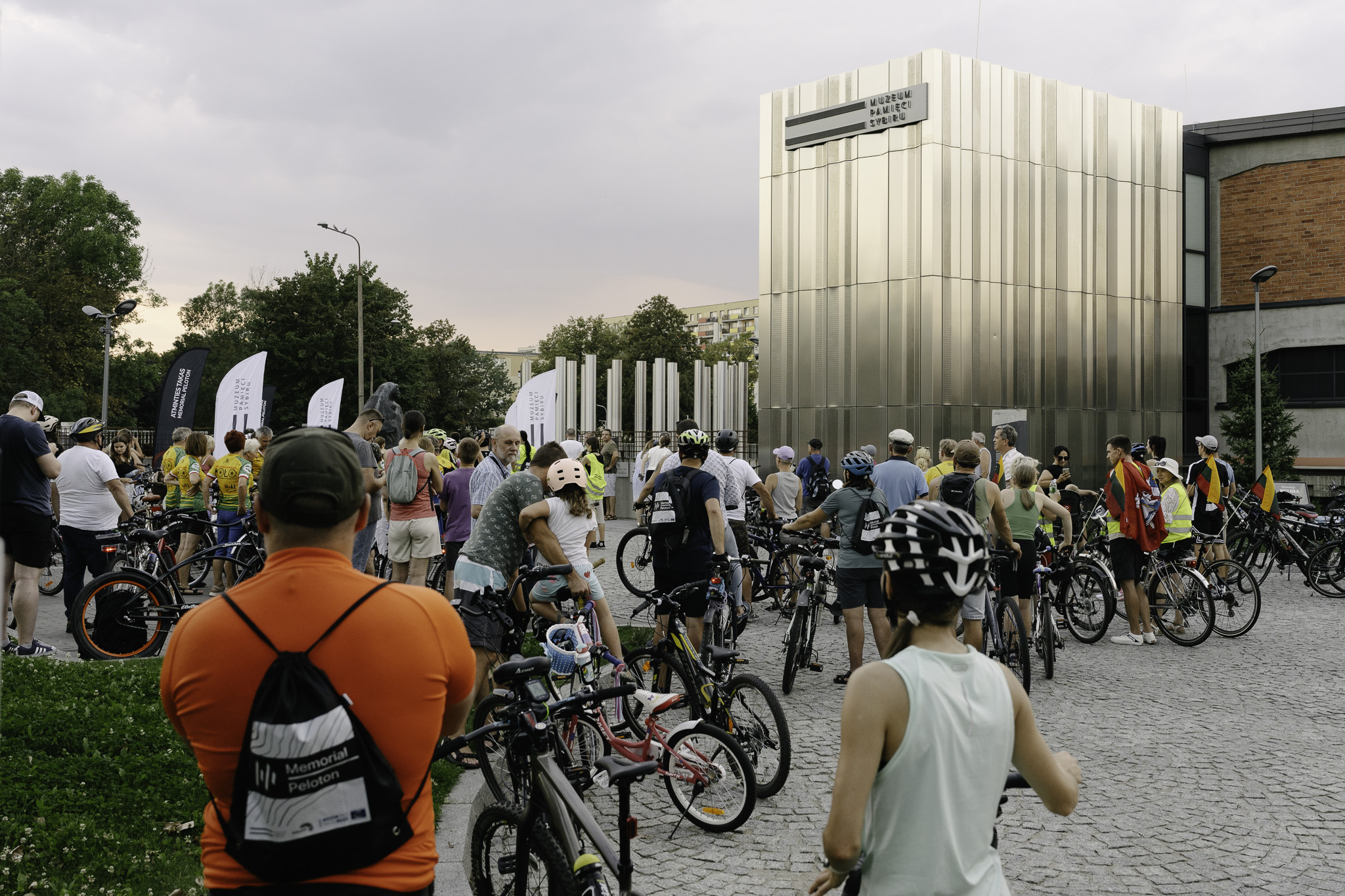
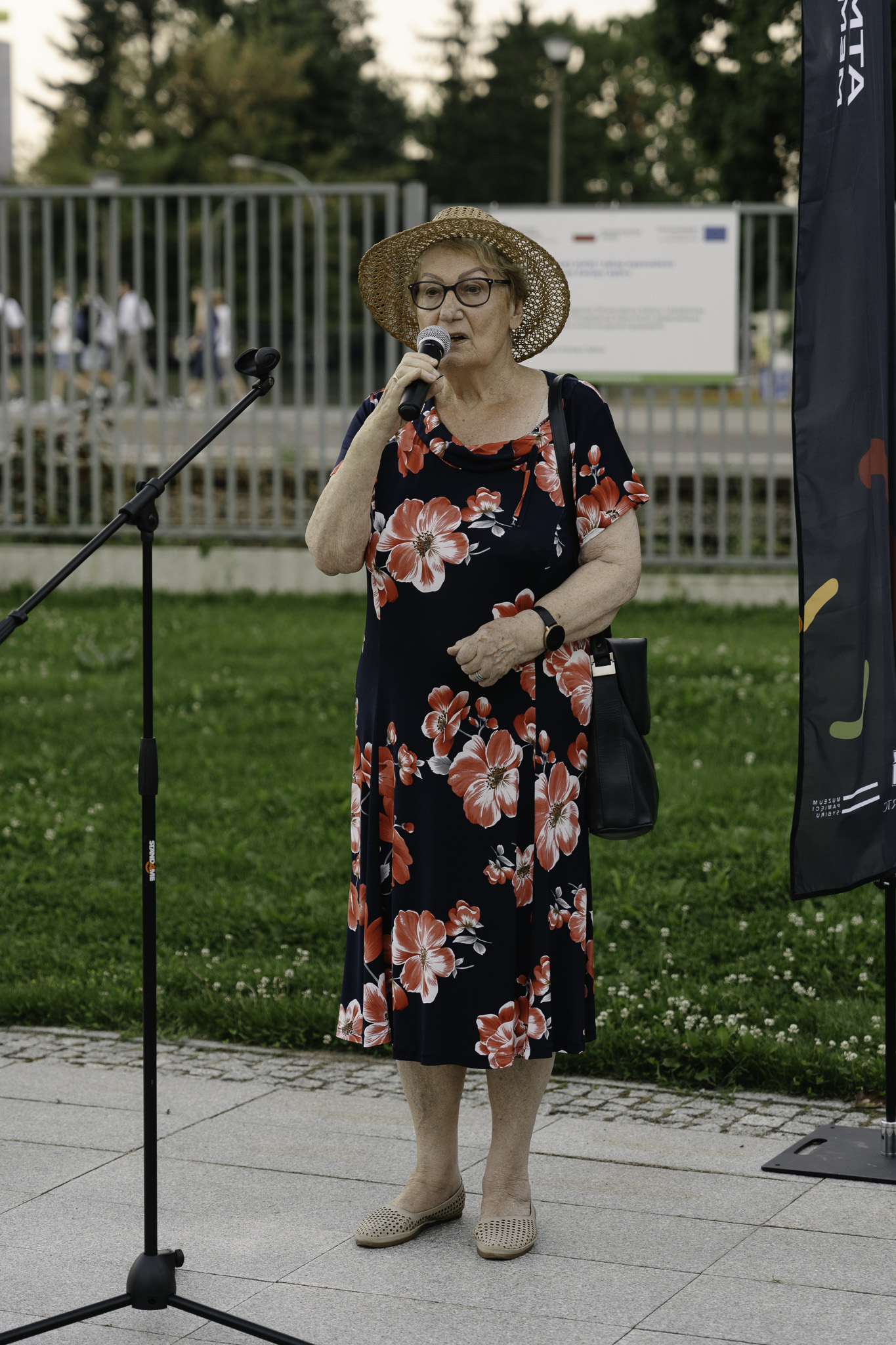
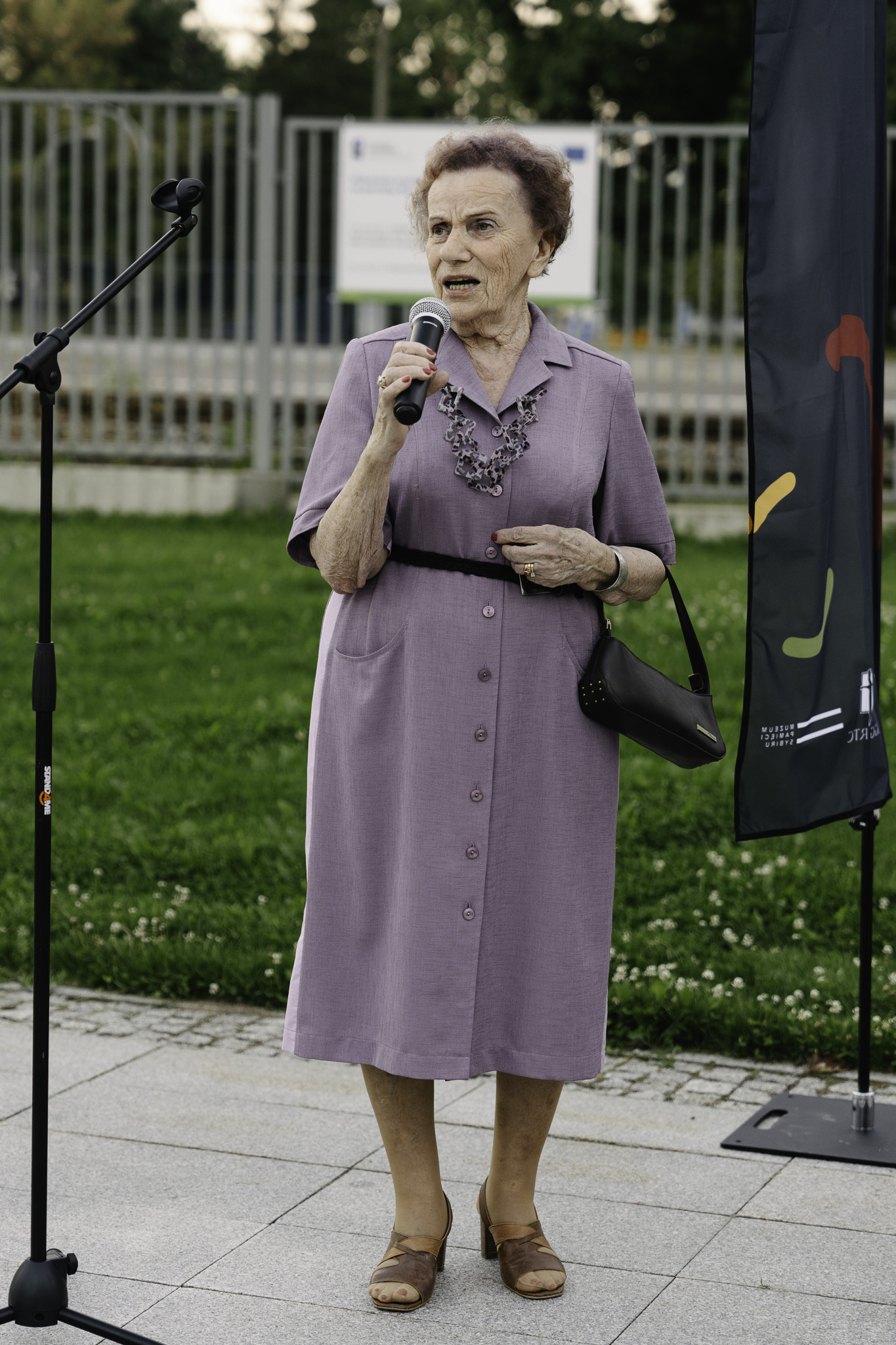
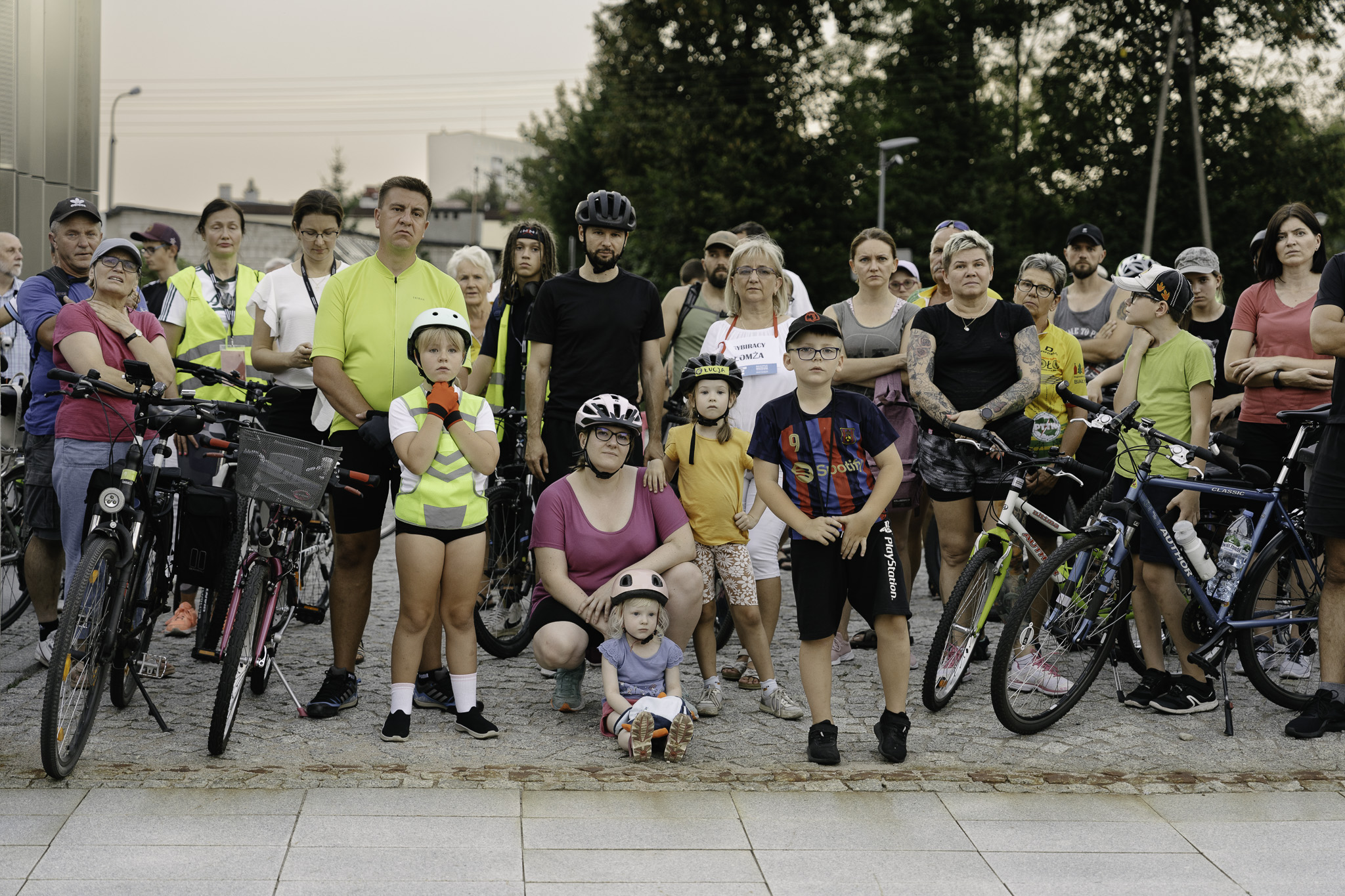
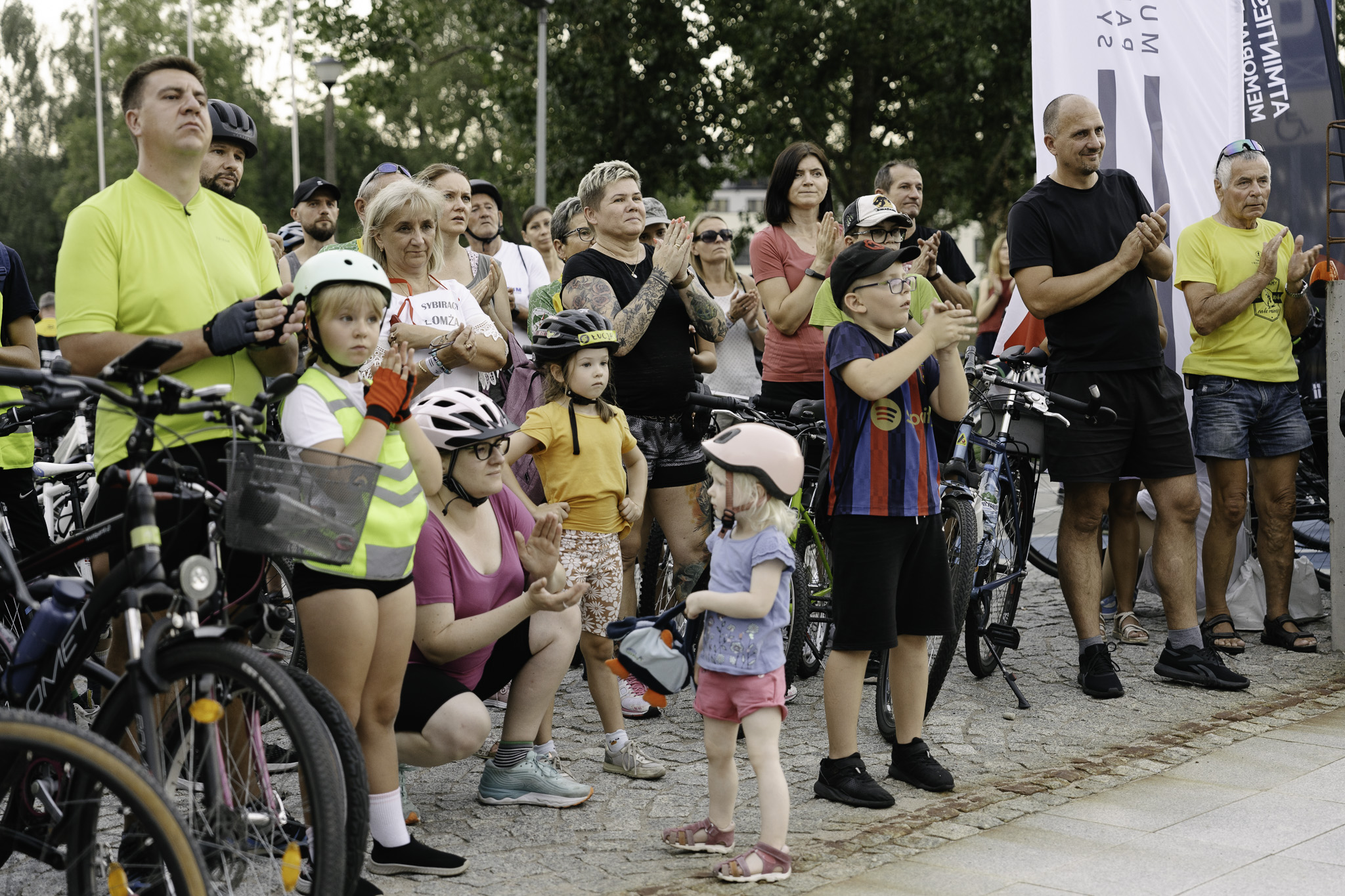
The peloton ended its ride traditionally in front of the Sybir Memorial Museum. Director, Professor Wojciech Śleszyński and the representatives of the Białystok branch of the Association of Siberian Deportees were waiting for the participants.
“I would like to thank everyone on behalf of the Association of Siberian Deportees that you came forward and were willing and honored this history of ours, places especially dear to all Sybiraks. I would like to thank very much the Director of the Sybir Memorial Museum and his staff,” said Jolanta Hryniewicka, president of the Białystok branch of the Association of Siberian Deportees.
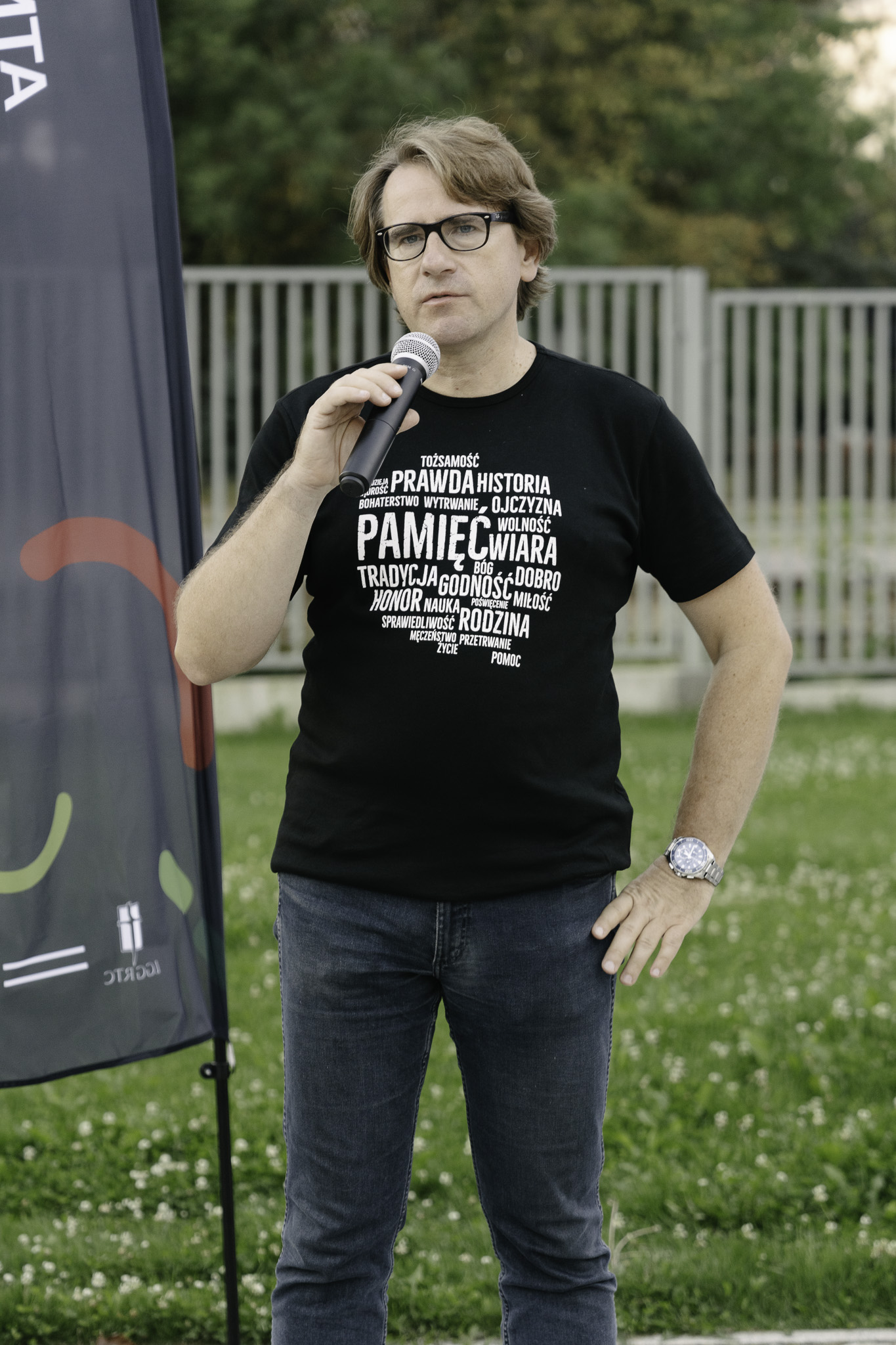
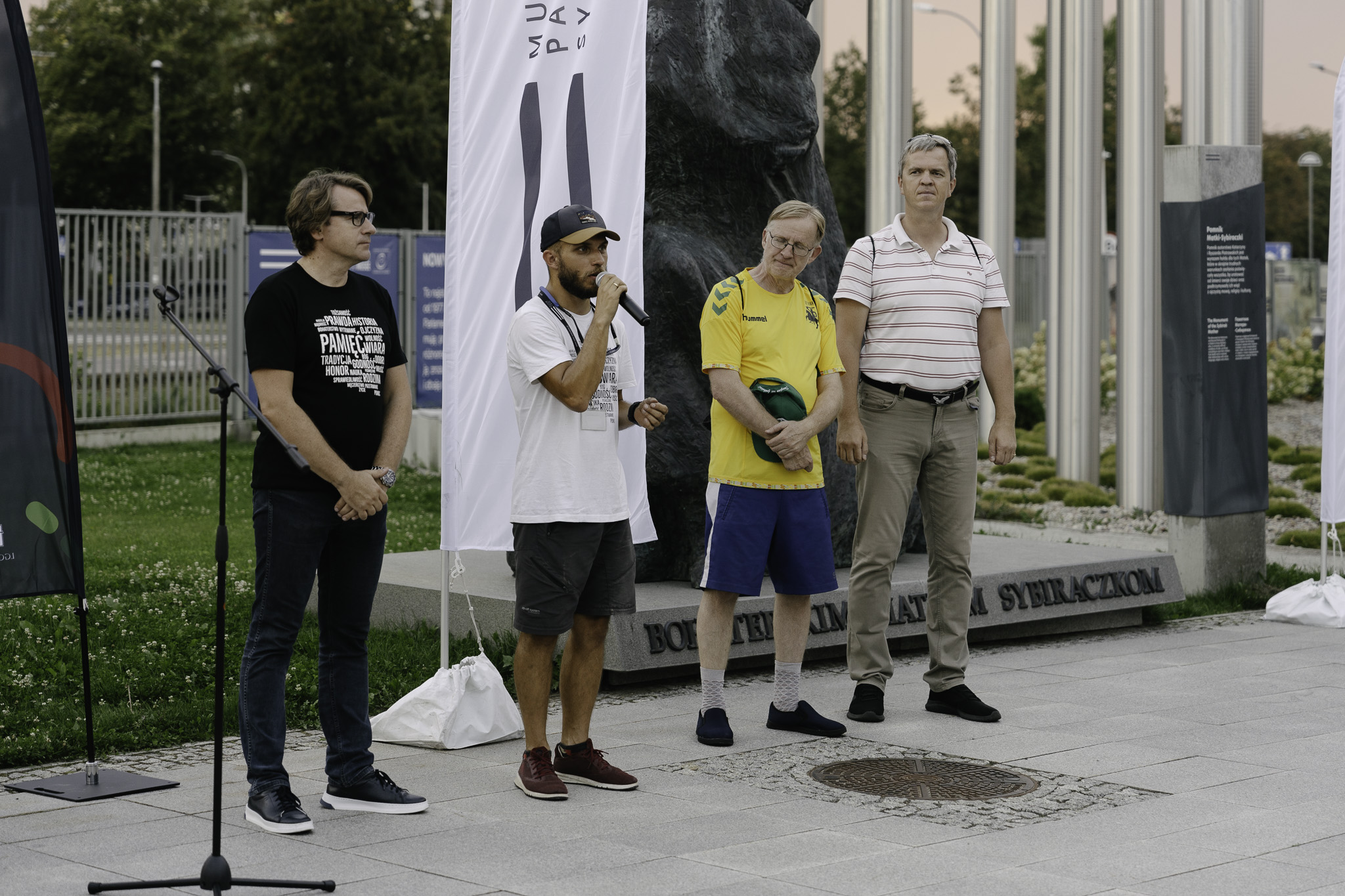
In his speech, the Director of the Museum thanked all the participants, organizers and invited guests.
“We have reached the last stop of our peloton. We are at the Sybir Memorial Museum. Exactly at the place where trains left for the East in 1940, 1941 and again in 1944. For us, for the participants in the Memorial Peloton, this is the last stop, while for the Sybiraks, who started their journey to the Far East from here, this was the first station,” he said.
The Bialystok Peloton was also attended by foreign guests – Arunas Bubnys, PhD, Director of the Lithuanian Genocide and Resistance Research Center, and Edvīns Evarts, PhD, a historian from the Museum of Latvian Occupation in Riga. Both of these institutions work together with Sybir Memorial Museum within the “Common Memory” Network of Museums. Both have also taken it upon themselves to spread the idea of the Memorial Peloton in their respective countries. The pelotons in Vilnius and Riga took place in recent days, and in Moldova such an action is planned for September 8. At the stops of the ride Soviet repression in those countries was alsa mentioned.
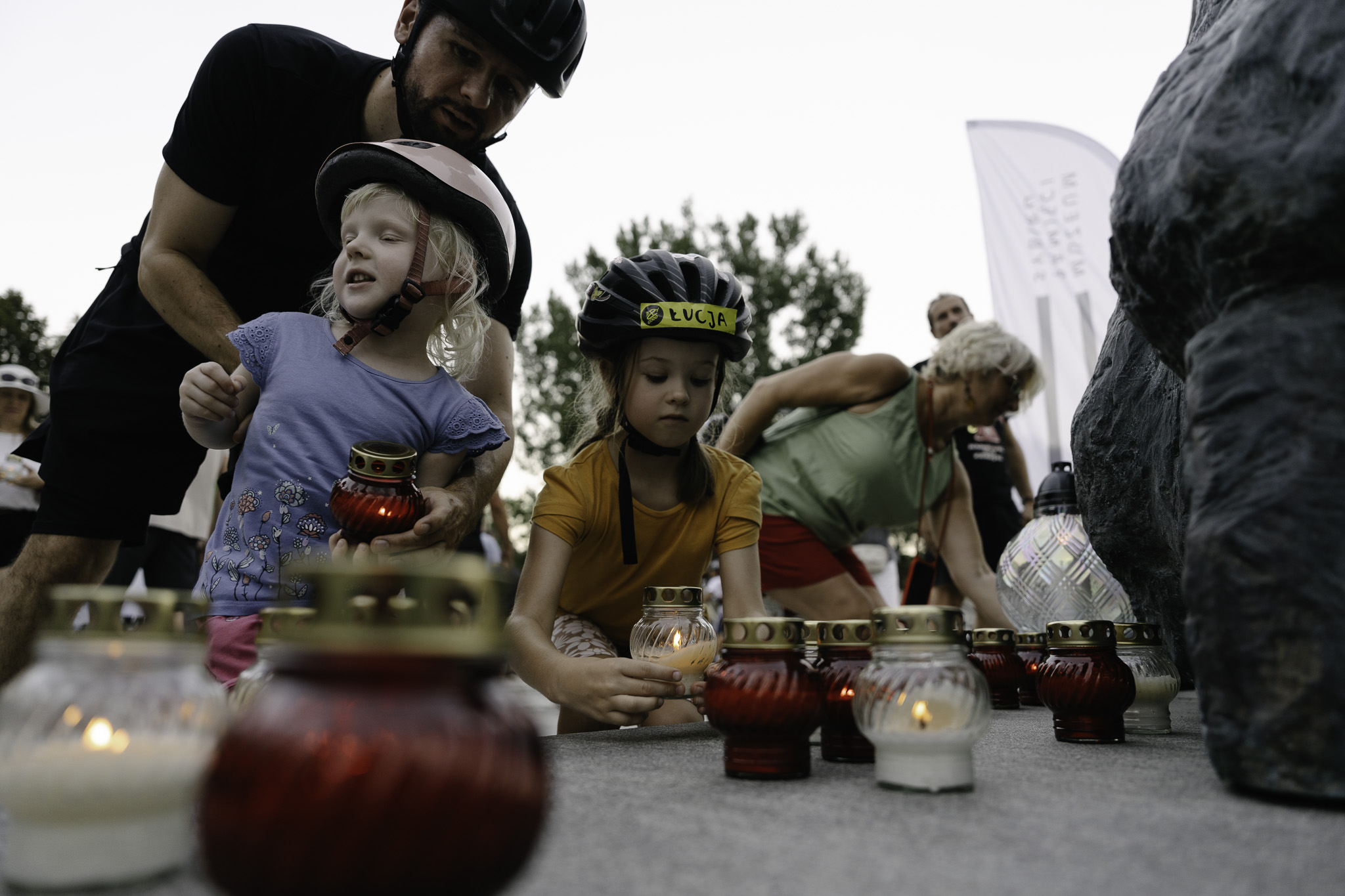
The peloton ended with a candle-lighting ceremony in front of the Monument to the Siberian Mother, where each participant could this way commemorate the fate of the deportees.
Thank you all for your presence! Every year more cities and countries join the peloton. We hope that next year we will meet in an even larger group.